Hopper’s New York Movie: Social History in Paint
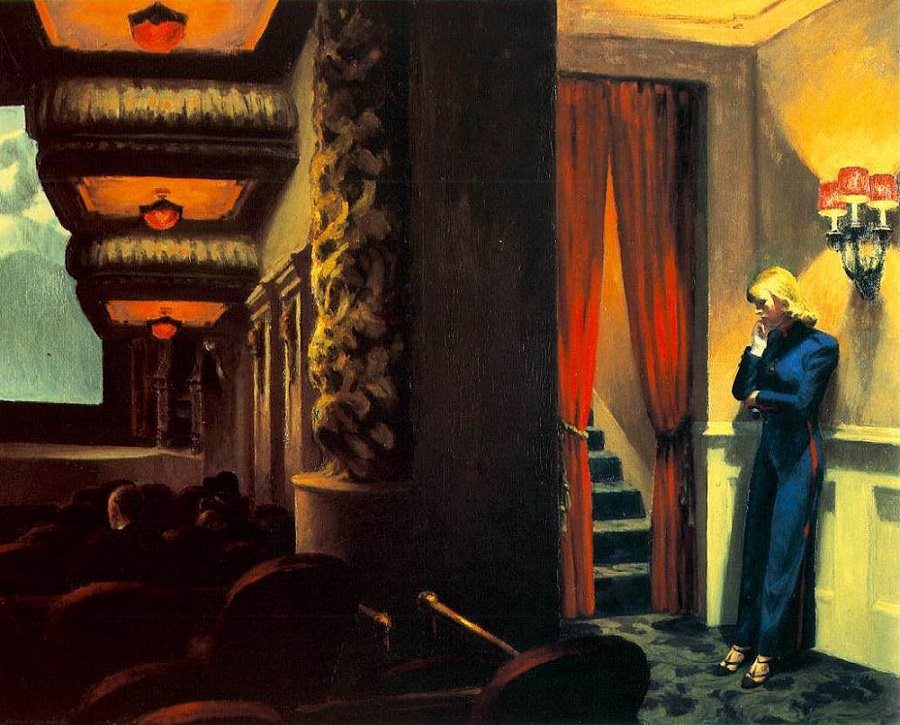
...This imagining of a future is where the downtrodden Americans found their escapism, and nowhere can this be more clearly seen than in the increasingly popular and developing world of the American movie – Hopper’s chosen setting for his painting. Just as Clark sees the café-concerts as representative of Parisian society in the 1880s, we can see the cinema as 1930s New York’s equivalent. The anxiety of the period manifested itself in the growing popularity of horror movies in the ‘30s, much like the blood and violence found in the pages of pulp fiction novels. People found a sense of catharsis in stories of people worse off than themselves, as well as a brief distraction from their own misery...

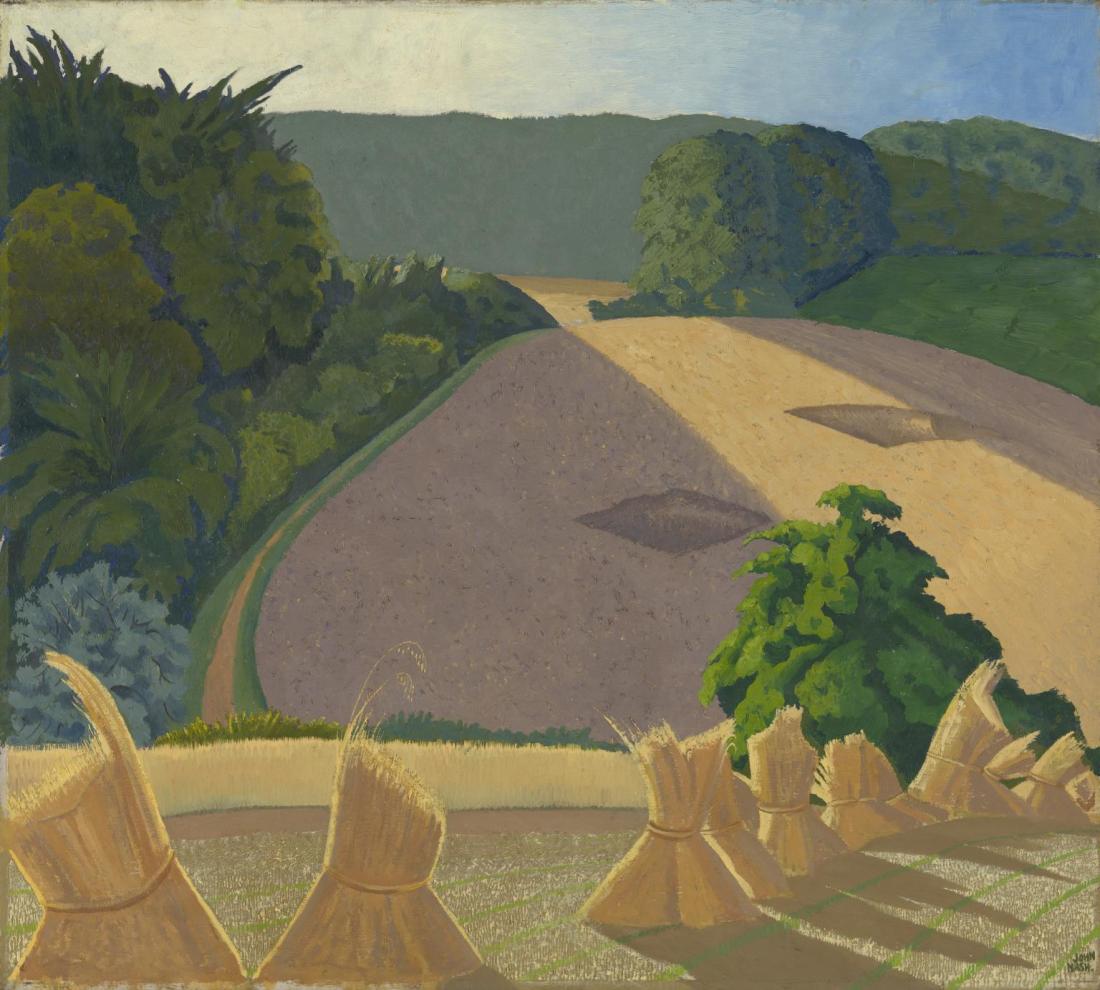
The Nash Brothers: Visions of England

The English have a strong tradition of landscape painting. From Gainsborough, through Turner and Constable, to David Hockney. The English countryside is a subject that has captivated artists and audiences for generations. In a century as calamitous as the twentieth the bucolic landscapes of the past needed rethinking, could a simple field with cows, or a sunset across the hills reflect and redeem an epoch of such dramatic change and flux. In the first half of the century, when the established Victorian order was being shattered, two brothers emerged who would redefine how we saw the English landscape in the modern age.

Ideology & Architecture: Urban Design in the Third Reich

Adolf Hitler’s fascination with architecture, both real and imagined, can be seen in many of the paintings he produced during his formative years surrounded by the imperial majesty of Vienna. It therefore comes as no surprise that the urban design of Germany, and specifically Berlin, was a major concern for him after he seized power in 1933 - and if it was a major concern of the Führer then it became a priority for the Nazi Party as a whole. Under the Nazi government and overseen by Hitler's favoured architect, Albert Speer, the Third Reich embarked on an ambitious building scheme, much of which would never be completed. However what emerged was a standardised style of building that was intended, and in some cases succeeded, to impress and enforce the power and ideology of the evil regime on its people. Both spatial presence and architectural design were utilised to communicate the fundamentals of National Socialism to Germans, Europe, and the World.