The Forgotten Cathedral: Byzantium comes to Westminster
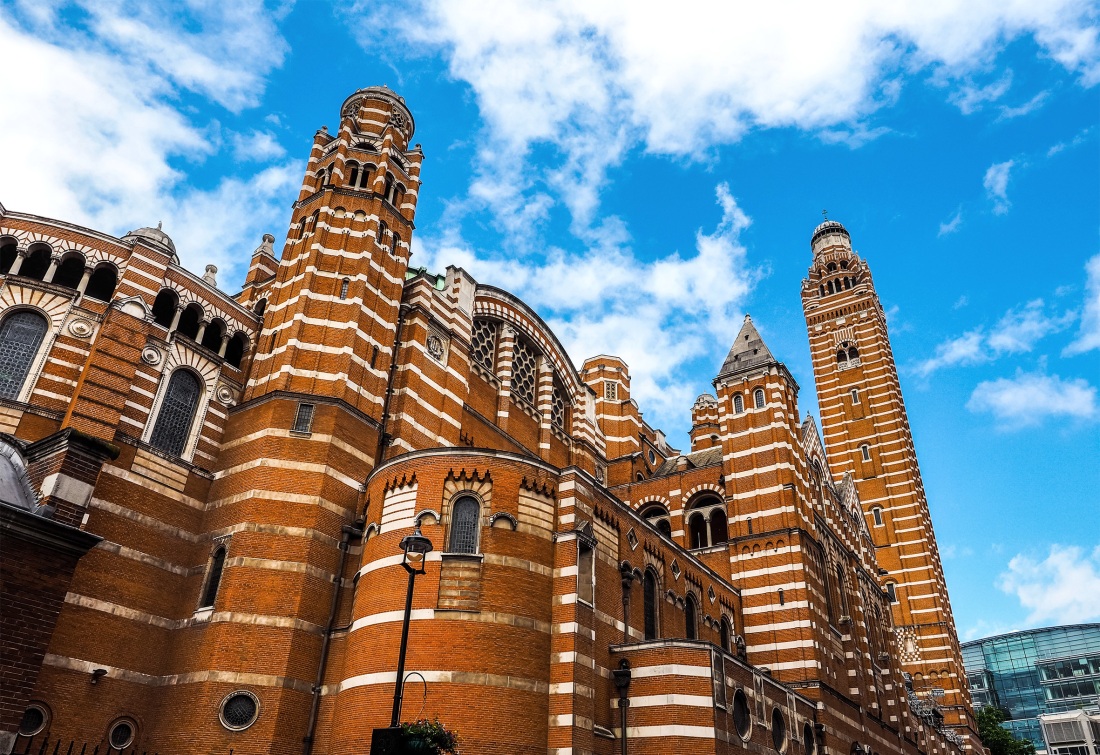
"To paraphrase John Lennon, Westminster Cathedral isn't the most famous church in the world, it's not even the most famous church in Westminster. While millions of tourists a year flood through the ticket office of Westminster Abbey, keying numbers in the inexplicably sicky audio guides and gawping through the railings at ancient Kings and Queens, only five minutes down the road stands a neighbour who is seldom included on a pre-planned itinerary. Westminster Cathedral is halfway between Victoria Station and Parliament Square but it might as well be halfway between Venice and Istanbul."

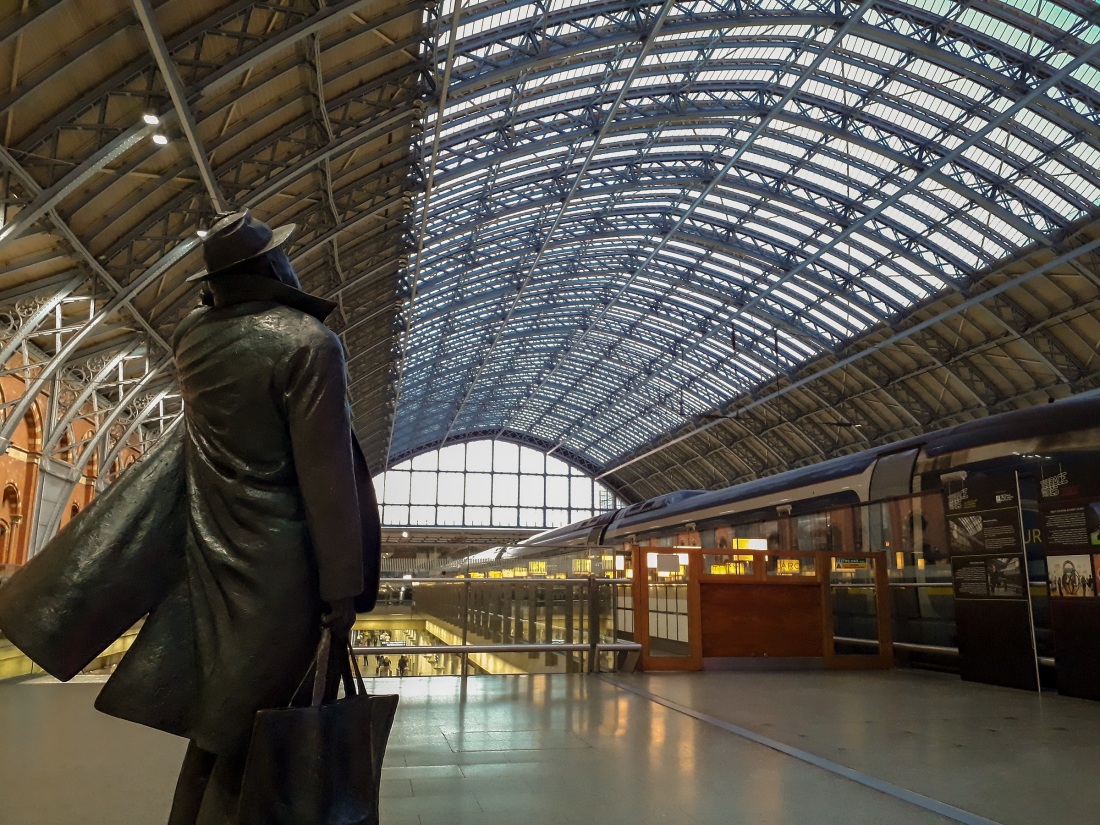
London Stations: Part Two – Marylebone, Victoria, & St Pancras

This is the second instalment of my ongoing survey of London’s major railway stations - their architecture and their spirit. In part one we examined some of the heavy hitters, Paddington, Euston, and Waterloo, but this time we’re starting with one of the smallest and quietest of all London termini.

London Stations: Part One – Paddington, Euston & Waterloo

London has what must be the most varied and exciting set of railways termini of any city in the world, one would expect not less of the capital of the country that gave birth to the modern railway. Thanks to foresighted Victorian planning laws, they all sit in a ring around the centre of London, they make no ugly scars through the urban fabric but rather stand as the old gates of The City used to, each with their own character and each with its own unique purposes. For E.M. Forster each possessed, in its architectural fabric, the latent spirit of those far away destinations to which their rails stretched. 110 years after Forster’s ode to these palaces of arrival and departure, from the age of steam to the age of electric, what spirit, if any, do London’s stations still possess?