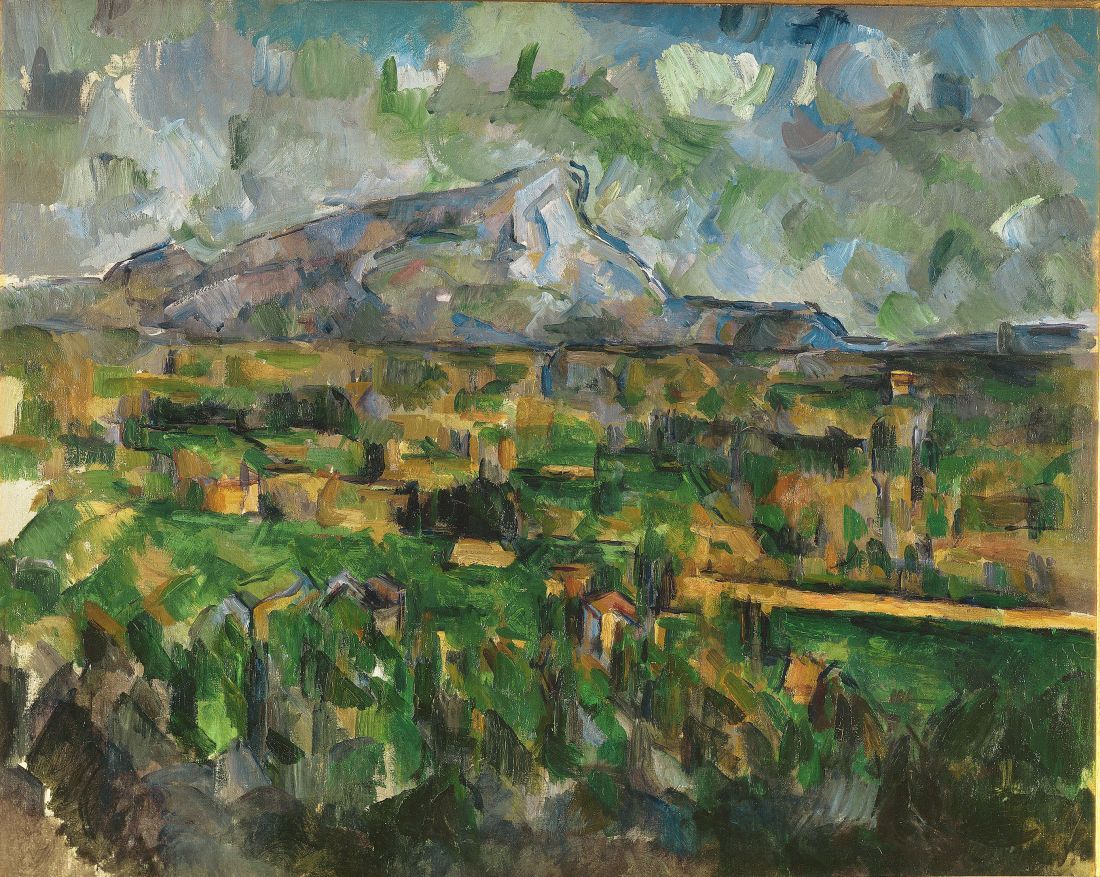
Travelling through a still, dead, January landscape to a wintery London to be met with the lively, cicada-filled warmth that radiates from the canvases of Paul Cézanne is a restorative experience. Whilst the country lies in its dormant state, still and unchanging, there is a deep joy to be found in surrounding oneself with the fluttering, flicking leaves, the sultry mistral breezes, and the quiet lapping of diminutive Mediterranean waves that Cézanne mastered in his late age. The Art Institute of Chicago had this large retrospective last year before the works were shipped to the Tate Modern where they currently constitute the winter ‘blockbuster show’ but, whilst my first intention was the review and record this major exhibition, it was a much smaller, quieter show that I saw a day later which brought a certain clarity to the particular way of seeing both artists explore.
Tag: Tate
The Turner Prize: An Obituary
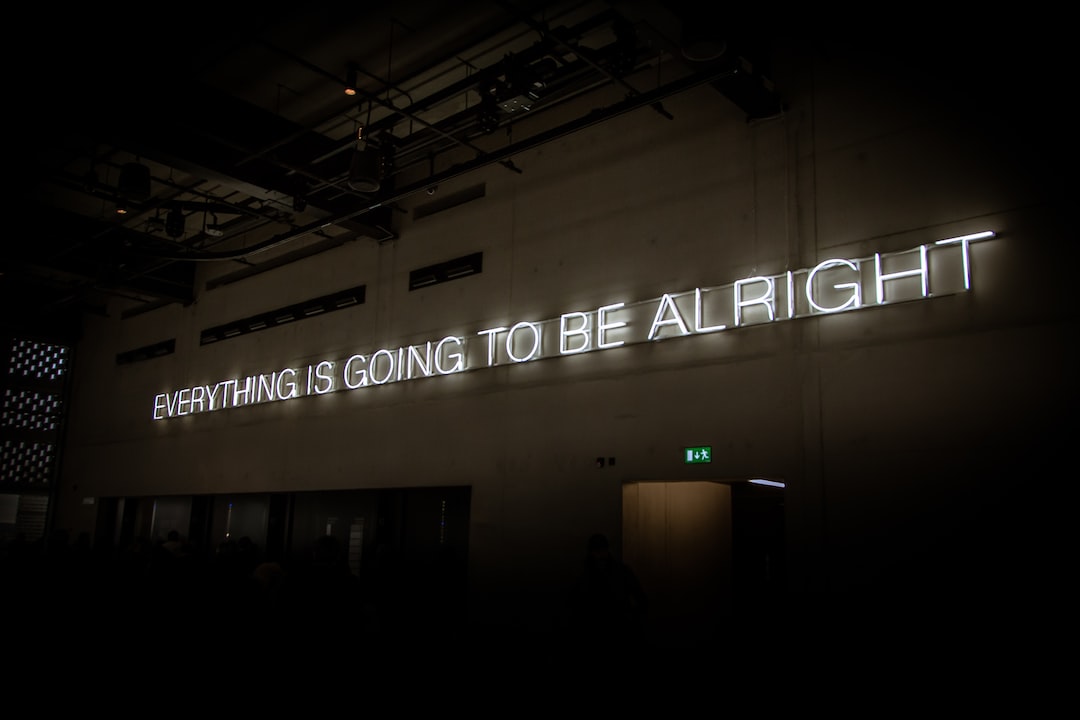
Reports of the Turner Prize’s longevity are greatly exaggerated. The fatal blow to Britain’s previously vaunted, and often controversial, contemporary art medal came in 2019 when the four nominees demanded to be recognised as an impromptu ‘collective’ and thus all claim the prize money as a group. Provocative gestures have been the bread and butter of the Turner since its inception in 1984, however, this ‘collective’ decision came in for much criticism as it rather defeated the point of the award and its enormous prize pool. The function of the prize is not only to highlight interesting and innovative artists at work in the UK but also to grant the winner a windfall of money with which to support their future career. In short, it is a prize for a breakthrough artist, an opportunity for their contribution to the culture of these islands to be brought to the wider attention of the public and a showing of criticism and debate in the arts. There being one winner is an important element of the exercise, it demonstrates that not all art is born equal.
Review – Walter Sickert at Tate Britain: Smoke and Mirrors
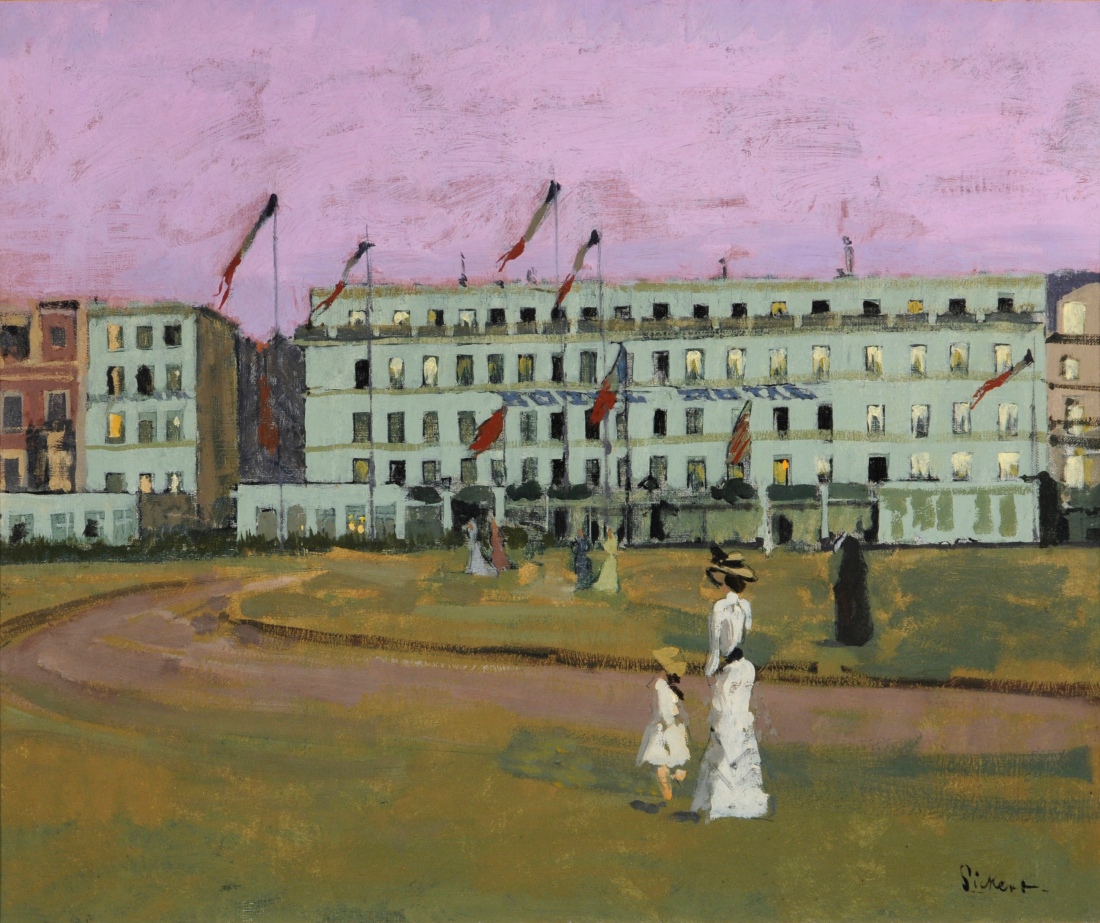
★★★★☆: "Walter Sickert is probably one of the most exciting, idiosyncratic, maligned, misunderstood, and captivating artists that Britain has ever produced. His long life and career was made up of ambiguity and contradiction. A British artist born in Germany and trained by American and French painters, an aspiring actor who turned to painting as an alternative medium to tell his stories, and a man who revelled in changing the identities and titles of both himself and his works. The smoke and mirrors that surround his life are probably what led the crime-writer Patricia Cornwell to write an allegedly ‘non-fiction’ and dubiously researched book in 2002 that presented her case for Sickert being the almost mythical serial killer Jack the Ripper. The current retrospective of his works at Tate Britain (until 18th Sept) is mercifully without such slanderous assumptions and presents Sickert as an innovative and experimental painter with a long and varied career."
In Barbara Hepworth’s Garden…
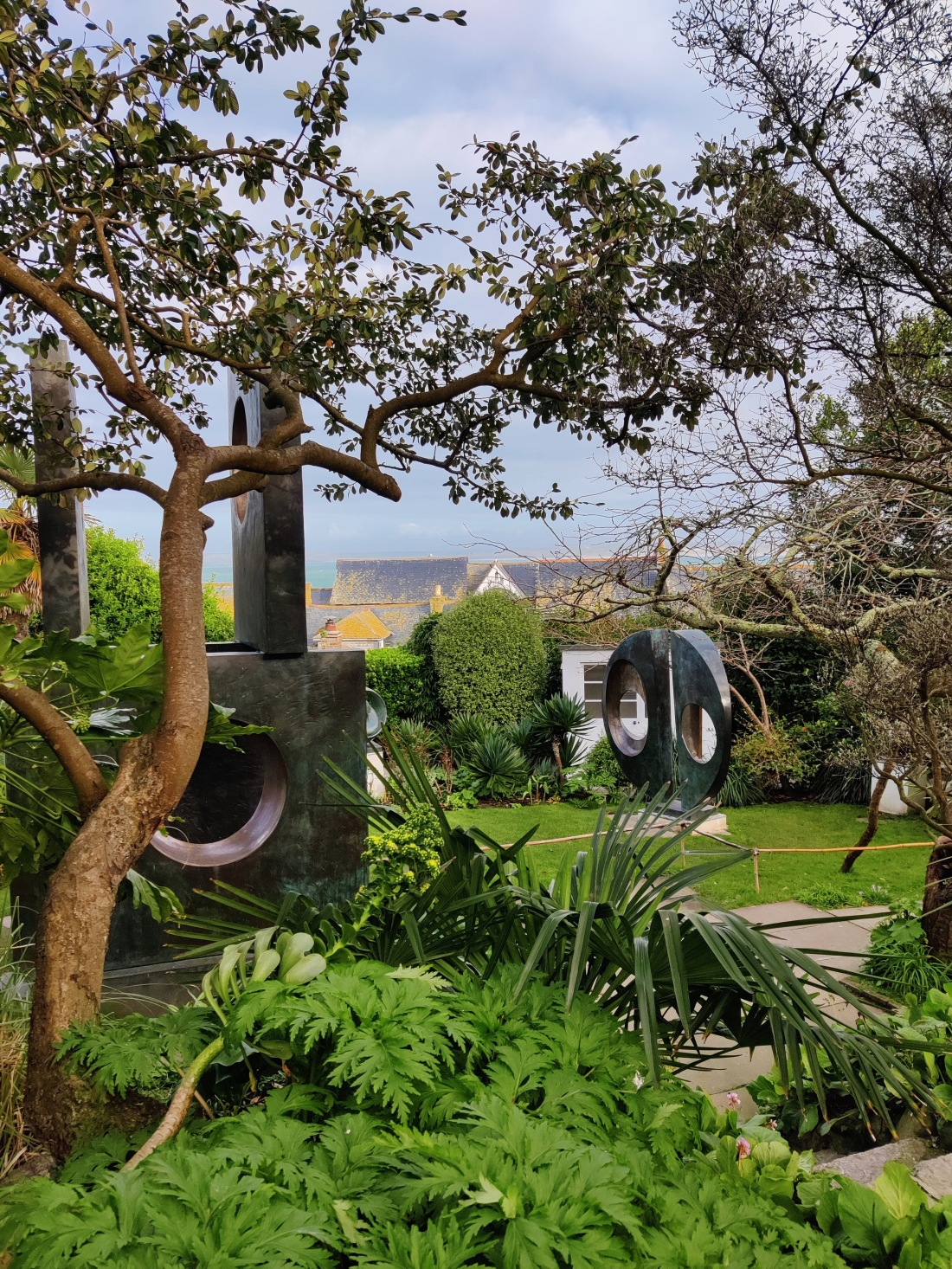
...Hepworth’s life and work is soaked in the genius loci, so it is no surprise that her garden, with its carefully curated selection of her works, is potent with that magical intangible energy. Wondrously, her studio and garden have been preserved as a museum (run by Tate) exactly as they were left in 1975. The plaster and clay splattered overalls still hang on the back of the door, the rows of chisels lie patiently and unstirred, half-finished sculptures litter the workshop, the potted succulents still bask in the greenhouse. The rich green planting of palms, grasses, and ferns remains as laid out by Hepworth and her friend the composer Priaulx Rainier, and nestled amongst the leaves and fronds sit her own selection of her work as if grown there from the soil under her watchful care…I suppose in many ways they were...
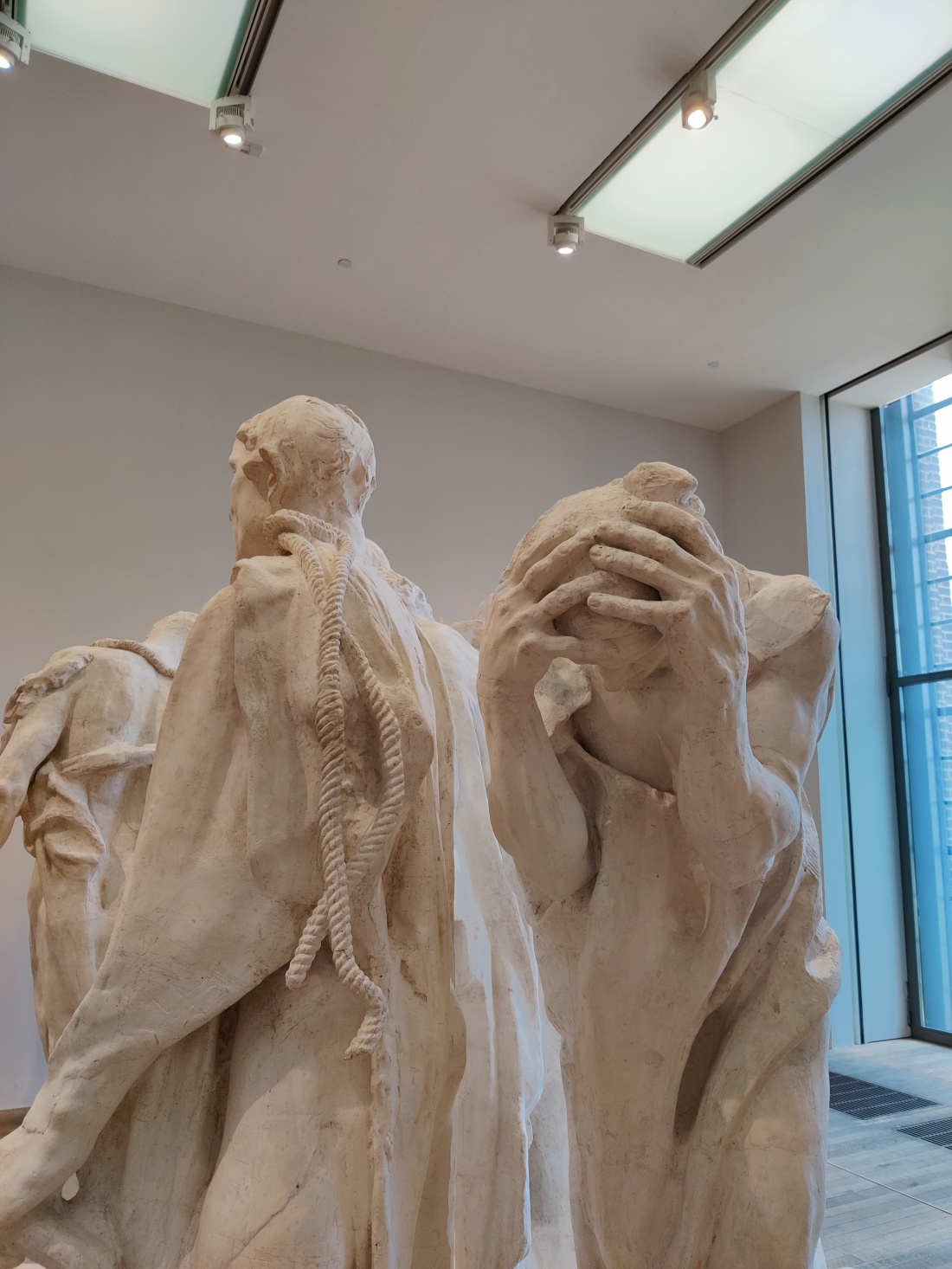
Review: ‘The Making of Rodin’, Tate Modern
★★★☆☆: After more than a year of semi-solitary existence, interspersed with the occasional out-door meeting with select family and friends, the appearance of other people has become increasingly alien. And with the government mandated distance to be maintained at all times, the usual interactions of hands and arms and the close-up reading of each other's faces have become not only a distant memory but even, at times, a life threatening action. And so, it was a delight to find that my first exhibition visit out of the trap after the (hopefully) final lockdown was one filled with such humanity and tactility.
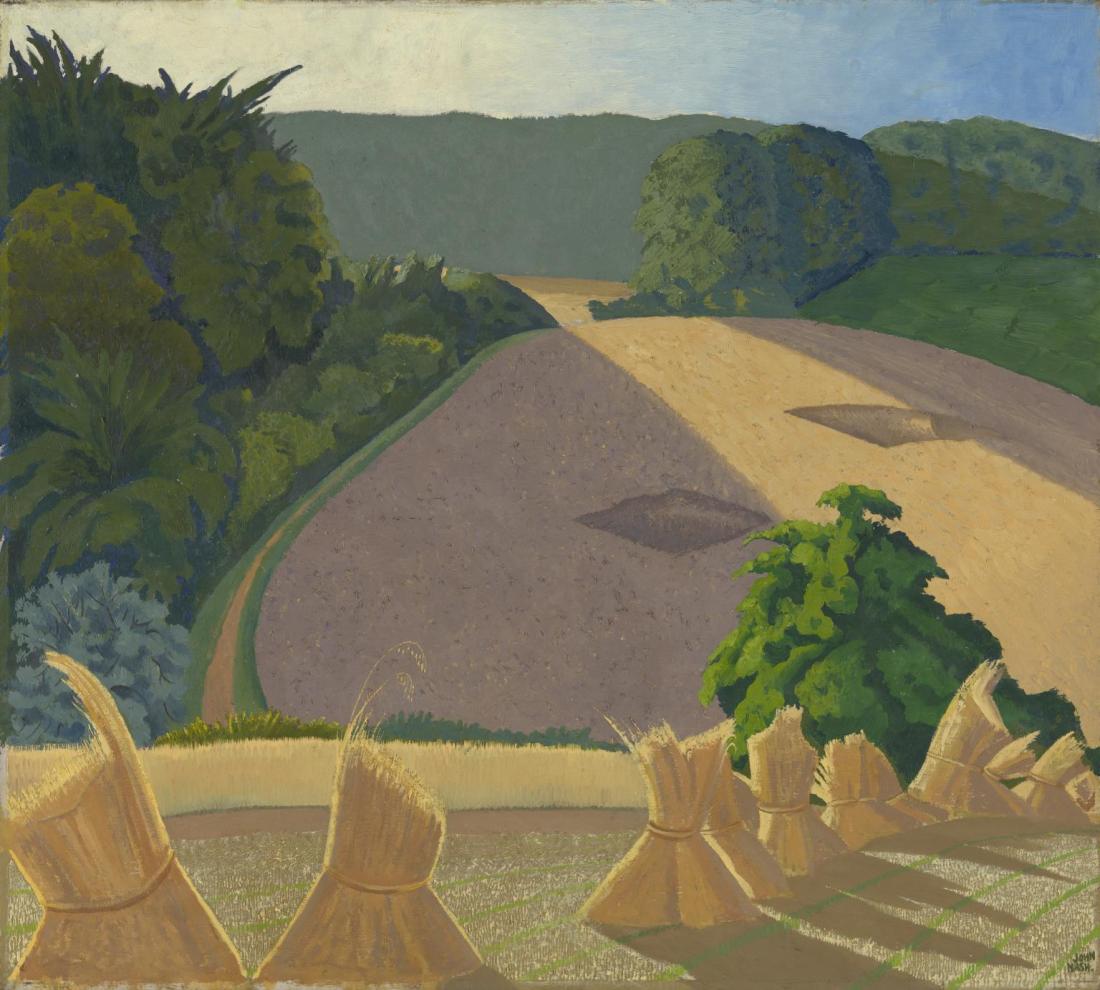
The Nash Brothers: Visions of England
The English have a strong tradition of landscape painting. From Gainsborough, through Turner and Constable, to David Hockney. The English countryside is a subject that has captivated artists and audiences for generations. In a century as calamitous as the twentieth the bucolic landscapes of the past needed rethinking, could a simple field with cows, or a sunset across the hills reflect and redeem an epoch of such dramatic change and flux. In the first half of the century, when the established Victorian order was being shattered, two brothers emerged who would redefine how we saw the English landscape in the modern age.