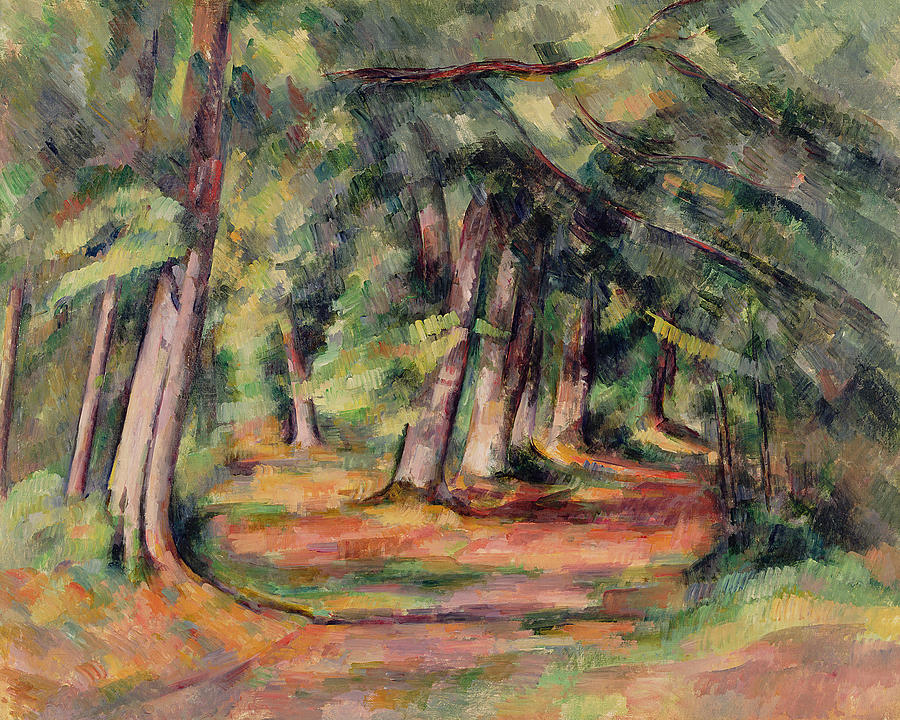
Open any general survey of the art of the twentieth century and you’ll find him right there at the beginning. The Jesse at the root of the modernist tree, it all comes back to Cezanne. Without him there's no cubism, there's no fauvism, then there's no expressionism or futurism. For Picasso, Cezanne was a “mother hovering over” his work, for Matisse he was “father to us all”. Having been posthumously made both matriarch and patriarch of all modern art, it has become hard to understand Cezanne in his own terms, to strip away the retrospective epitaphs and mythos in order to discover the old man in the big Provencal house who painted only for himself. The Cezanne of those hesitant, sketchy, sun baked landscapes and quietly rotting still lives, so unassuming, yet so revolutionary.
Heroic Doubt: Cezanne and The Modern Eye

 Morgan Haigh