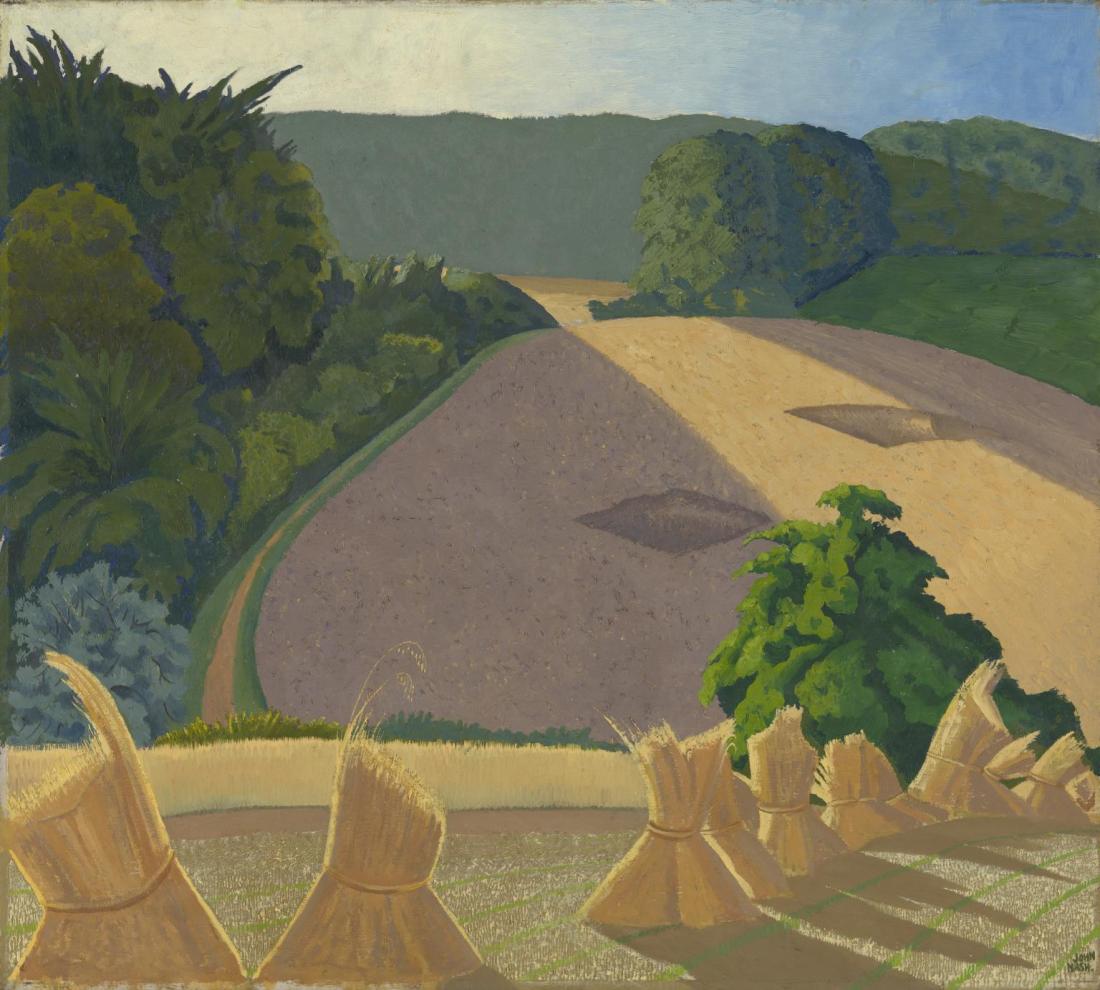
The English have a strong tradition of landscape painting. From Gainsborough, through Turner and Constable, to David Hockney. The English countryside is a subject that has captivated artists and audiences for generations. In a century as calamitous as the twentieth the bucolic landscapes of the past needed rethinking, could a simple field with cows, or a sunset across the hills reflect and redeem an epoch of such dramatic change and flux. In the first half of the century, when the established Victorian order was being shattered, two brothers emerged who would redefine how we saw the English landscape in the modern age.
Tag: Painting
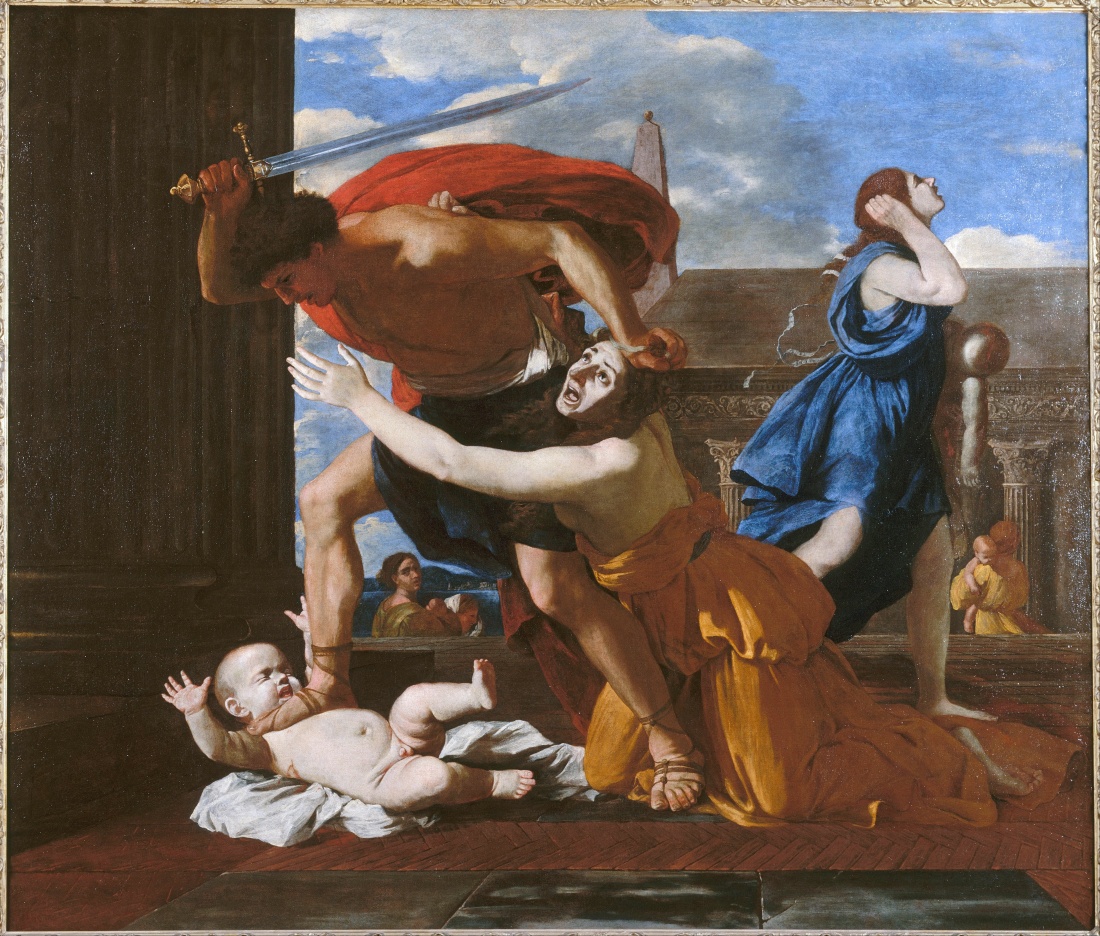
Nicolas Poussin: The Unresolved Cadence
Artists fall in and out of fashion all the time, that is the way of the canon, an artist who has been admired in equal measure from their own time to the present day is a rare thing indeed. Nicolas Poussin (1594 - 1665) is one such artist. Lorded by his contemporary Bernini as the only French artist who who really mattered, he won posthumous favour with both Ingres and Delacroix (possibly the only thing on which those two agreed), as well as Cezanne who said he only truly understood himself after spending time with a Poussin. Even the wunderkind of Modernism, Pablo Picasso, was known to copy Poussin’s works.
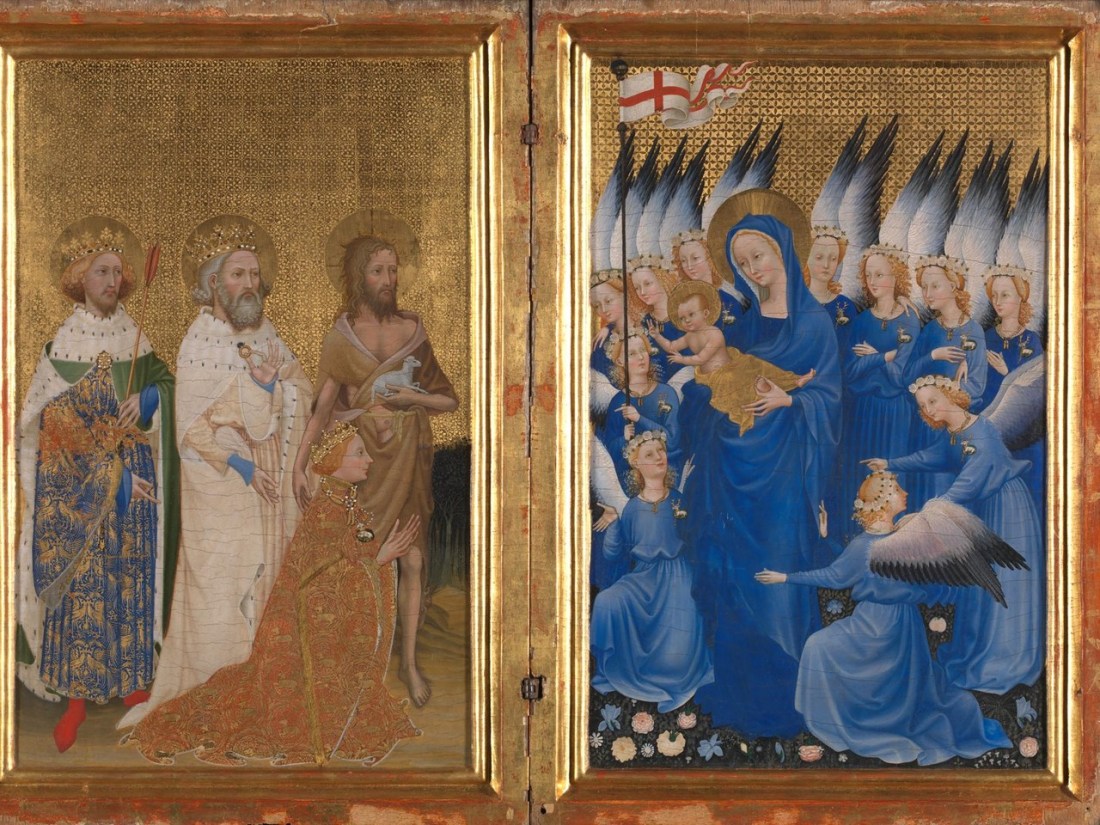
The Image of a King: The Wilton Diptych and Richard II
The Wilton Diptych is one of the oldest and most luxurious works in the National Gallery’s collection. This gold covered diptych was made some time between 1395 and 1399 by English or French craftsmen for King Richard II of England, it is laden with symbolic imagery connected with Richard and his divine right to rule, not just in its subject matter but also in the materials and techniques involved in its making.
The Last Day: The National Gallery on the Eve of Lockdown
The National Gallery has been part of my life for a long time now, from the excitement of boyhood day trips up to London with my father to the hours spent in each room as a student, those grand halls on Trafalgar Square have been a reassuring constant all my life. So, when the Coronavirus outbreak arrived and the lamps went out in cultural institutions all over Europe, it was only a matter of time before Britain's artistic treasure trove was locked away.
Review: Léon Spilliaert at The Royal Academy
★★★★★: Belgium, land of beer, chocolate, charming medieval towns and cosy city breaks. If this is your idea of the diminutive Benelux nation then Léon Spilliaert is here to make you think again. Prepare to be drawn into an intoxicating world of insomniac melancholy that will forever change the way you see the home of Tintin and waffles.
Review: Picasso on Paper at the Royal Academy.
★★★★☆: Works on paper can often be seen as room-filler when a gallery can’t quite muster enough ‘proper works’, paintings and sculptures, to fill their space. They are normally objects that exist primarily in the realm of art historians, tools for them to unlock the secrets of an artist’s grander works. However, in the eternal struggle to find an original angle on that godfather of modernism, Pablo Picasso, the RA have dedicated an enormous show just for his works on and using paper.
Review: Gauguin’s Portraits at The National Gallery
★★★☆☆: Gauguin has been out in the cold for a while now. At this juncture in the twenty-first century, to praise a upper-middle class man who abandoned his family of six to become a painter and who proceeded to fetishise the culture of Polynesia to the point of engaging in sexual relations with minors (in western eyes) and fictionalising their society, seems counter to the direction in which the study of art has been moving.
Review: Édouard Vuillard at The Holburne
★★★☆☆: It is no coincidence that this show arrives at the end of Tate Modern’s recent Pierre Bonnard retrospective, after all, Vuillard and Bonnard were contemporaries, friends and colleagues. This show represents the Holburne Museum’s attempt at jumping onto the French post-impressionist bandwagon, and, whilst it doesn’t fall entirely short of the mark, one feels it could have done with a little extra thought.
What the Romantics did for us
A shift in thought almost unrivaled in the development of European civilisation, Romanticism spread its way through every form of culture - sometimes like a delicate mist, seeping into the psyche, other times bursting forth with volcanic vigour. Today we still live in the hangover of this revolution of thought and, with its developments incorporated into our quotidian existence, it is easy to overlook the seismic influence it had and has on the way we think, act, and create.