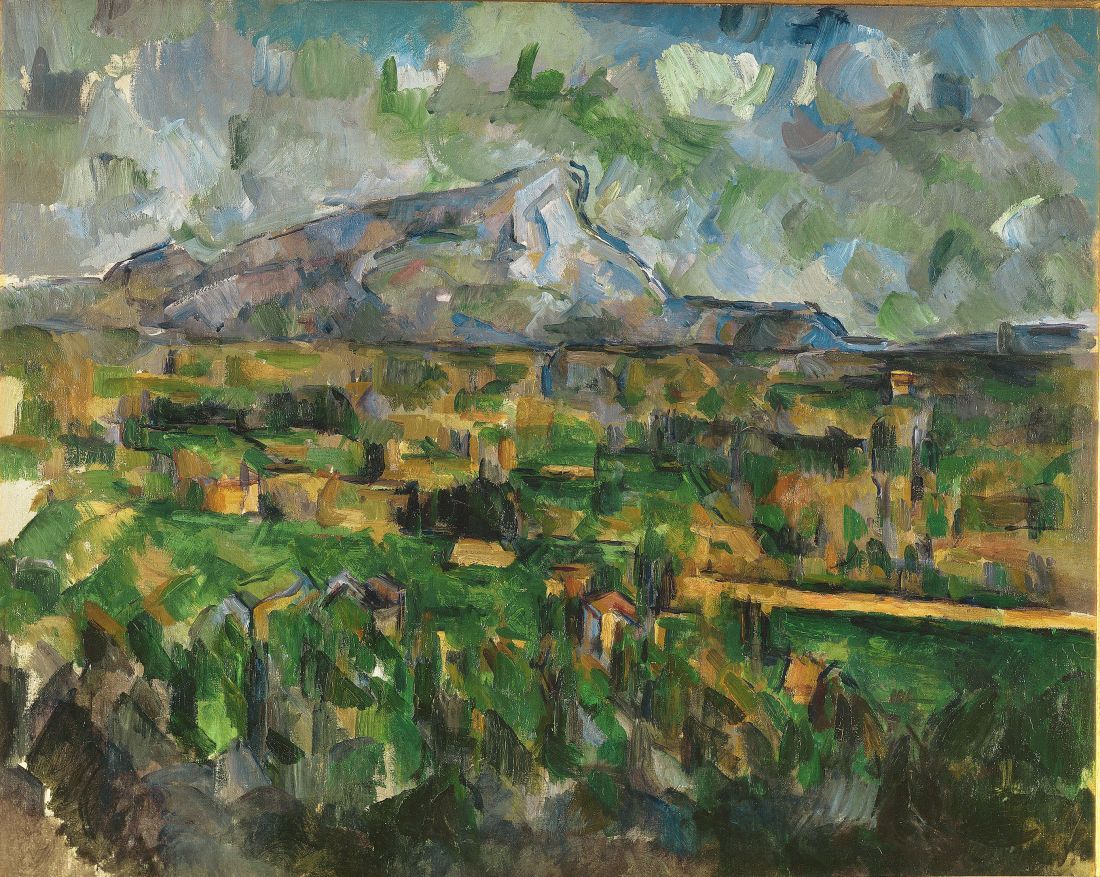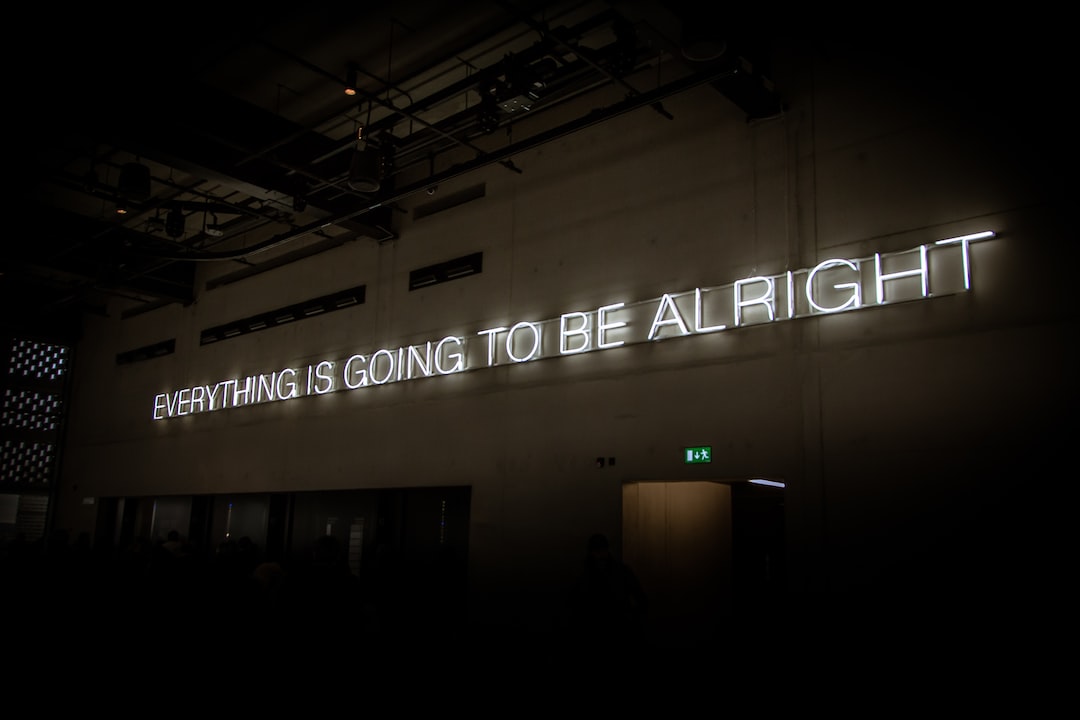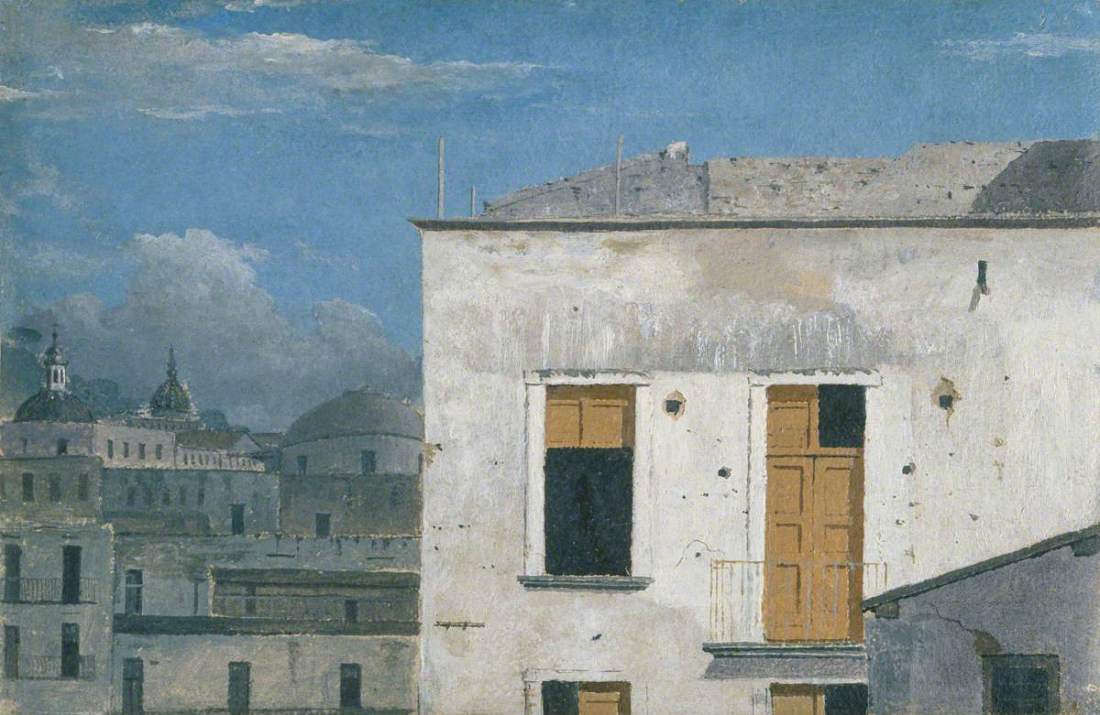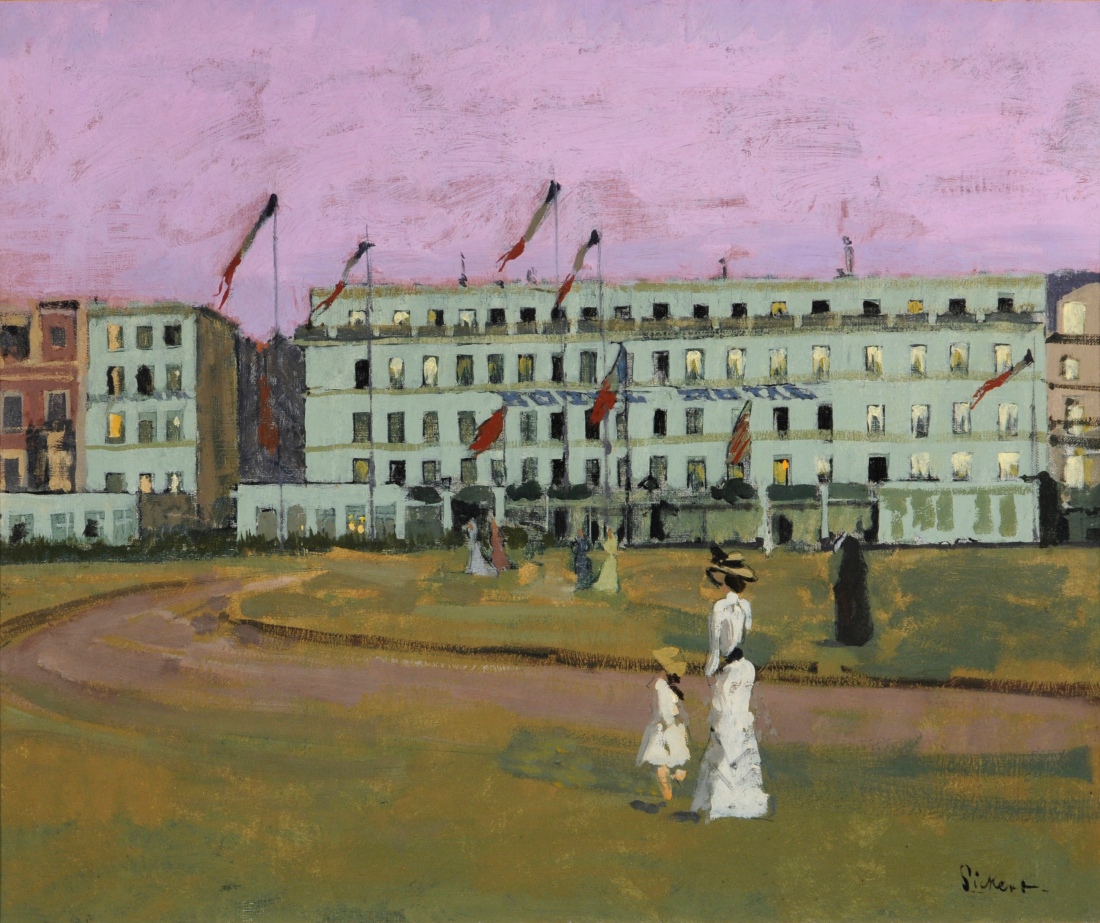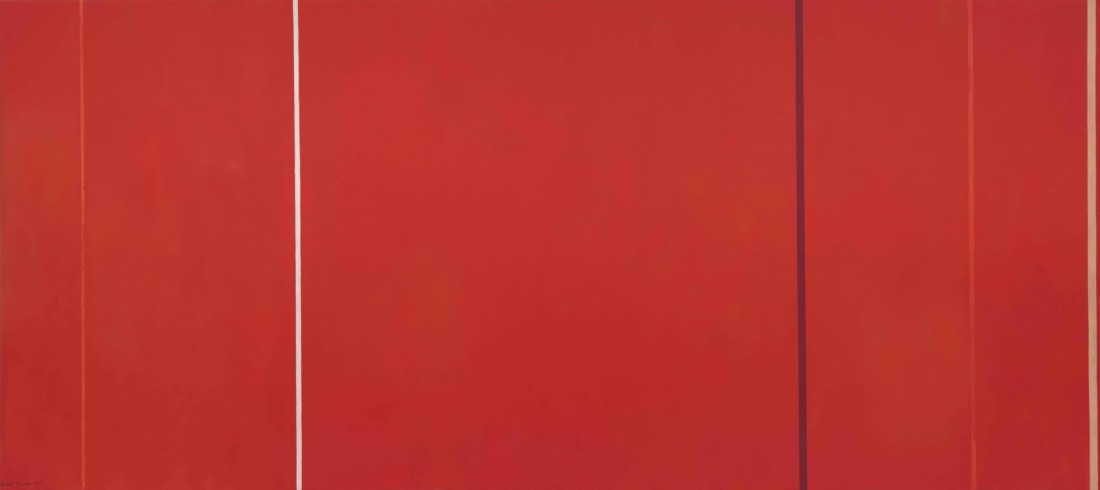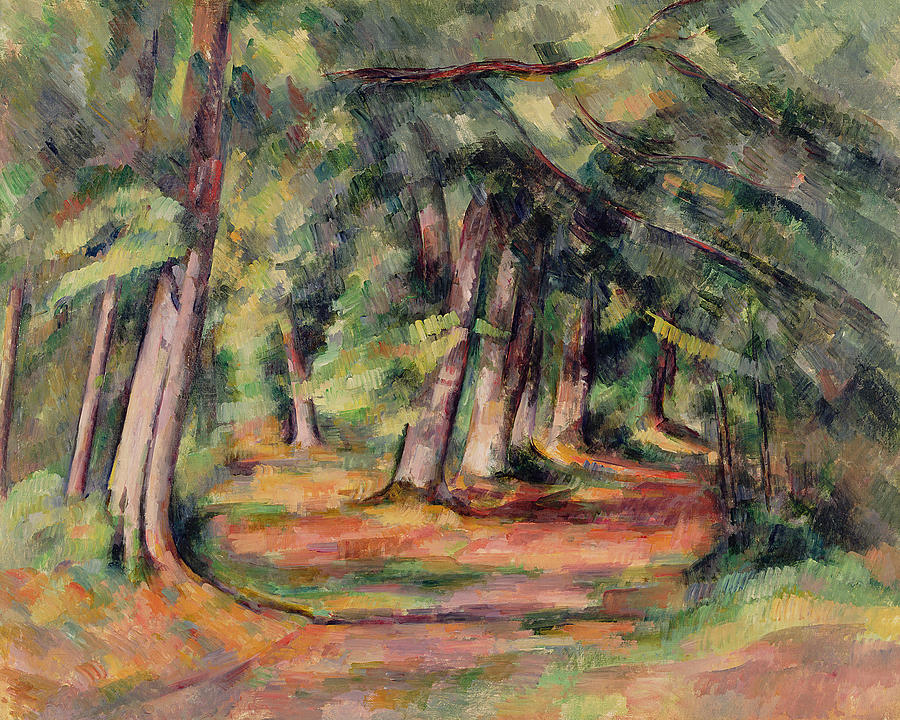
Travelling through a still, dead, January landscape to a wintery London to be met with the lively, cicada-filled warmth that radiates from the canvases of Paul Cézanne is a restorative experience. Whilst the country lies in its dormant state, still and unchanging, there is a deep joy to be found in surrounding oneself with the fluttering, flicking leaves, the sultry mistral breezes, and the quiet lapping of diminutive Mediterranean waves that Cézanne mastered in his late age. The Art Institute of Chicago had this large retrospective last year before the works were shipped to the Tate Modern where they currently constitute the winter ‘blockbuster show’ but, whilst my first intention was the review and record this major exhibition, it was a much smaller, quieter show that I saw a day later which brought a certain clarity to the particular way of seeing both artists explore.
Tag: Painting
The Turner Prize: An Obituary
Reports of the Turner Prize’s longevity are greatly exaggerated. The fatal blow to Britain’s previously vaunted, and often controversial, contemporary art medal came in 2019 when the four nominees demanded to be recognised as an impromptu ‘collective’ and thus all claim the prize money as a group. Provocative gestures have been the bread and butter of the Turner since its inception in 1984, however, this ‘collective’ decision came in for much criticism as it rather defeated the point of the award and its enormous prize pool. The function of the prize is not only to highlight interesting and innovative artists at work in the UK but also to grant the winner a windfall of money with which to support their future career. In short, it is a prize for a breakthrough artist, an opportunity for their contribution to the culture of these islands to be brought to the wider attention of the public and a showing of criticism and debate in the arts. There being one winner is an important element of the exercise, it demonstrates that not all art is born equal.
A Welshman in Naples: Thomas Jones & the Reason for Art
...In 1763 another young Welshman, fresh from abandoning an Oxford degree in Theology, arrived in London to seek tutelage from Wilson. Even today the London-Welsh club together like ex-pats the world over, so it is no surprise that Wilson appears to have warmed to his fellow Welshman immediately and took him on as an apprentice. Thomas Jones (the name is…not unusual), was born in the wilds of Mid Wales in 1742 to a landowner of middling status, by 1765, under the guidance of Wilson, Jones was already exhibiting landscapes in the ‘grand manner’ of Claude and Poussin at the Society of Arts (which three years later would become the famous Royal Academy of Arts).'...
Review – Walter Sickert at Tate Britain: Smoke and Mirrors
★★★★☆: "Walter Sickert is probably one of the most exciting, idiosyncratic, maligned, misunderstood, and captivating artists that Britain has ever produced. His long life and career was made up of ambiguity and contradiction. A British artist born in Germany and trained by American and French painters, an aspiring actor who turned to painting as an alternative medium to tell his stories, and a man who revelled in changing the identities and titles of both himself and his works. The smoke and mirrors that surround his life are probably what led the crime-writer Patricia Cornwell to write an allegedly ‘non-fiction’ and dubiously researched book in 2002 that presented her case for Sickert being the almost mythical serial killer Jack the Ripper. The current retrospective of his works at Tate Britain (until 18th Sept) is mercifully without such slanderous assumptions and presents Sickert as an innovative and experimental painter with a long and varied career."
Hopper’s New York Movie: Social History in Paint
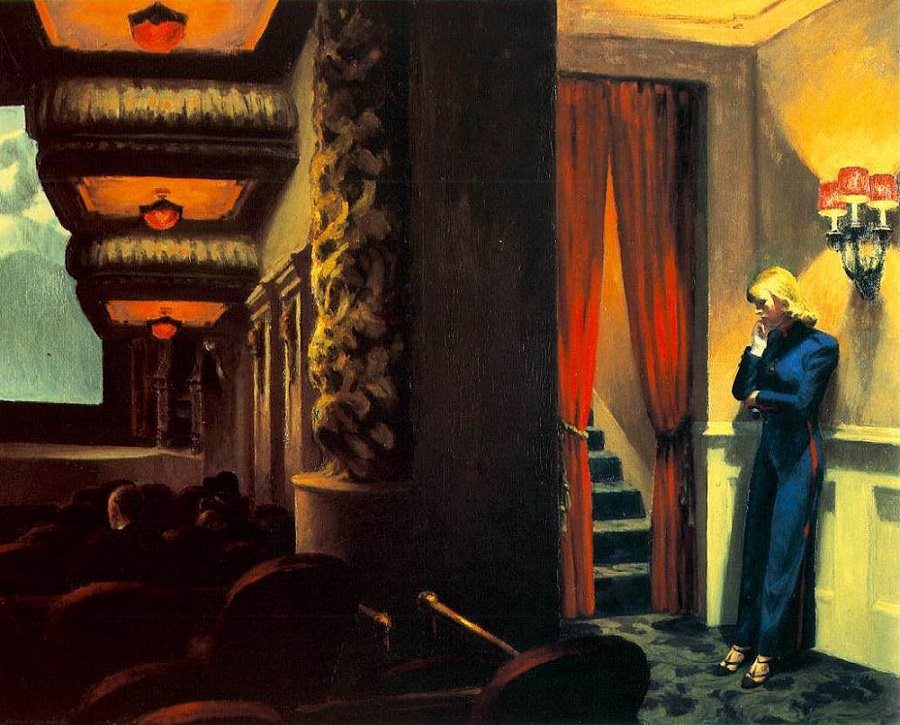
...This imagining of a future is where the downtrodden Americans found their escapism, and nowhere can this be more clearly seen than in the increasingly popular and developing world of the American movie – Hopper’s chosen setting for his painting. Just as Clark sees the café-concerts as representative of Parisian society in the 1880s, we can see the cinema as 1930s New York’s equivalent. The anxiety of the period manifested itself in the growing popularity of horror movies in the ‘30s, much like the blood and violence found in the pages of pulp fiction novels. People found a sense of catharsis in stories of people worse off than themselves, as well as a brief distraction from their own misery...
A Man of Sorrows: Botticelli under the influence of Savonarola
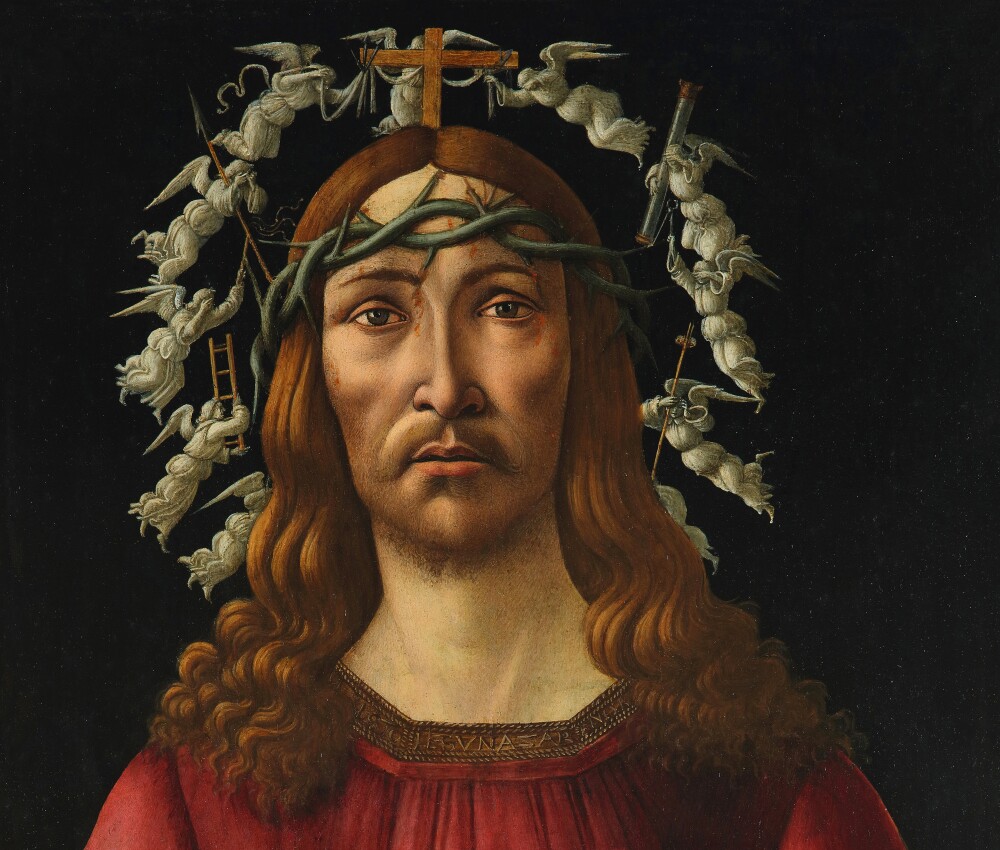
'...That religious seriousness, and slight neuroticism, present in Botticelli’s religious painting made him a prime candidate to fall under the apocalyptic spell of Savonarola. His biographer, Vasari, tells us that Botticelli was so utterly convinced by the rhetoric that he stopped painting altogether and later sources have even put forward that he threw many of his own more pagan paintings onto the great bonfire of the vanities that Savonoarola erected in the Palazzo della Signoria for the destruction of objects of conspicuous wealth; mirrors, jewellery, and any art works of a secular theme...'
Jean-François Millet: the Grandeur of Humility
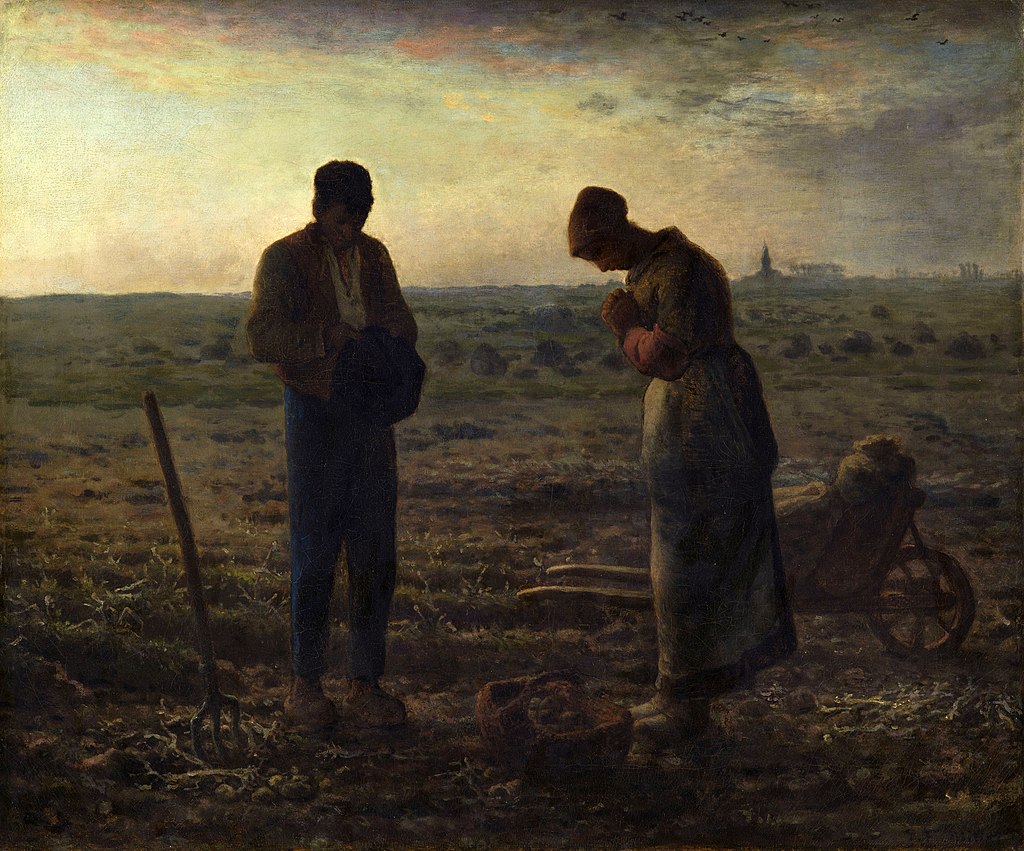
'...Millet’s harvesters, bakers, shepherds, and farmers are massive and tactile in their form, one entirely believes in their existence and their solidity despite their individually so often being absent. His peasants look as if they have climbed down from Michelangelo’s ceiling and got back to the day job...'
Review: ‘The Making of Rodin’, Tate Modern
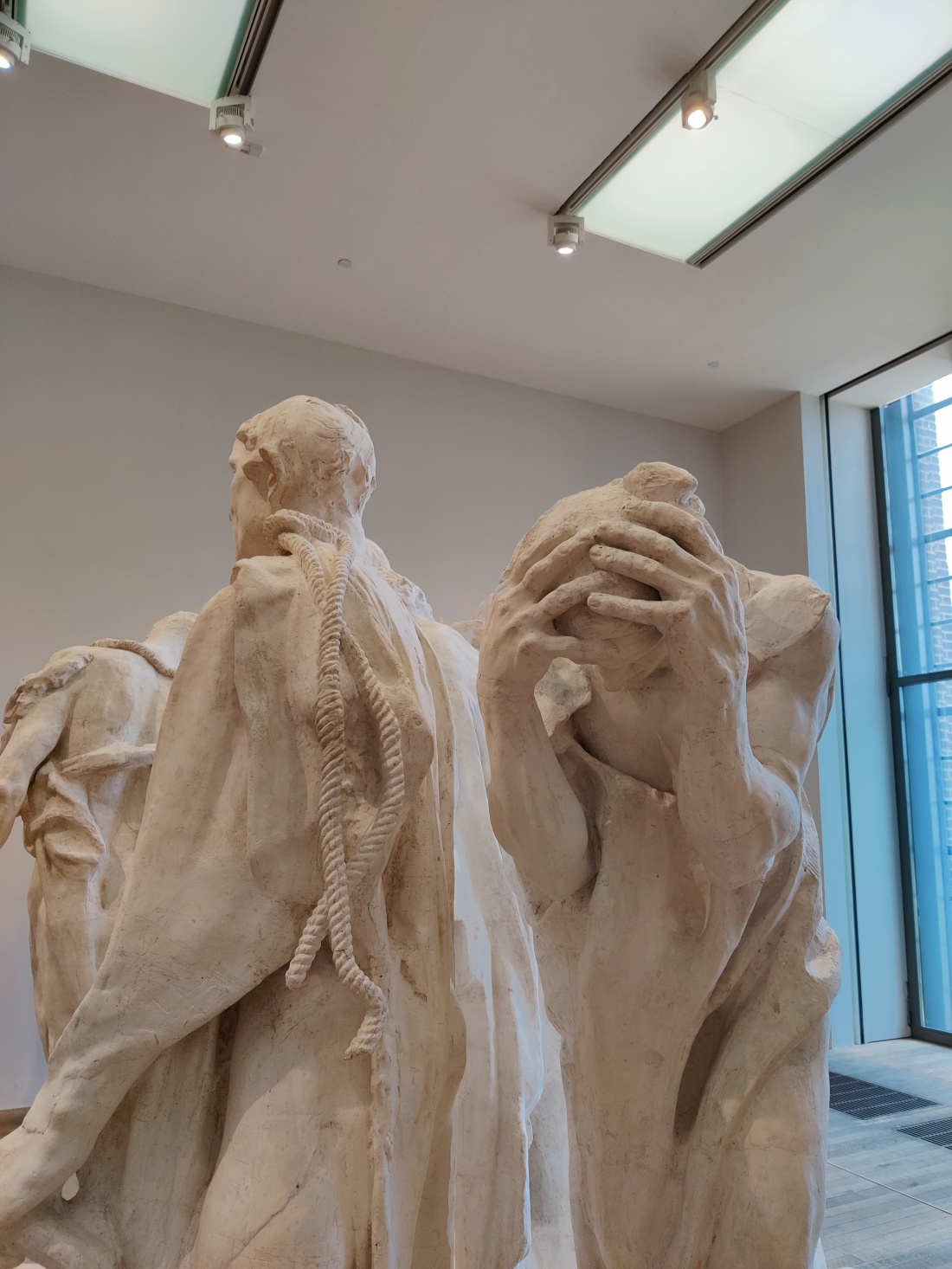
★★★☆☆: After more than a year of semi-solitary existence, interspersed with the occasional out-door meeting with select family and friends, the appearance of other people has become increasingly alien. And with the government mandated distance to be maintained at all times, the usual interactions of hands and arms and the close-up reading of each other's faces have become not only a distant memory but even, at times, a life threatening action. And so, it was a delight to find that my first exhibition visit out of the trap after the (hopefully) final lockdown was one filled with such humanity and tactility.
Art in the Time of Coronavirus
...In the face of a cacophony of disaster, works of art can have an appealing quality - they are their own contained universes, created from, but often unaffected by, our own. The finite edges of a painting, the constancy of a sculpture, or the familiar reproduction of symphonic notes, offer a fixed point against which to observe and contextualise our own moment of flux...
Heroic Doubt: Cezanne and The Modern Eye
Open any general survey of the art of the twentieth century and you’ll find him right there at the beginning. The Jesse at the root of the modernist tree, it all comes back to Cezanne. Without him there's no cubism, there's no fauvism, then there's no expressionism or futurism. For Picasso, Cezanne was a “mother hovering over” his work, for Matisse he was “father to us all”. Having been posthumously made both matriarch and patriarch of all modern art, it has become hard to understand Cezanne in his own terms, to strip away the retrospective epitaphs and mythos in order to discover the old man in the big Provencal house who painted only for himself. The Cezanne of those hesitant, sketchy, sun baked landscapes and quietly rotting still lives, so unassuming, yet so revolutionary.