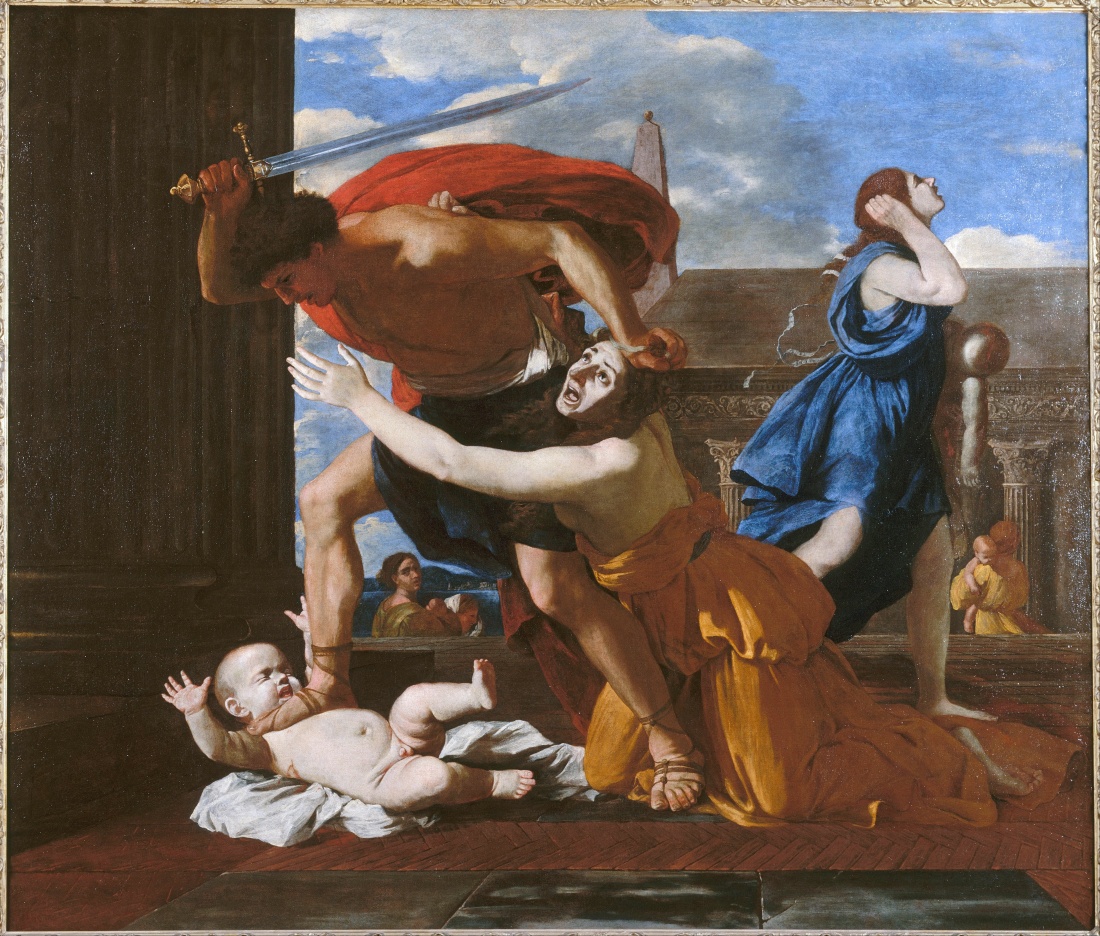
Artists fall in and out of fashion all the time, that is the way of the canon, an artist who has been admired in equal measure from their own time to the present day is a rare thing indeed. Nicolas Poussin (1594 - 1665) is one such artist. Lorded by his contemporary Bernini as the only French artist who who really mattered, he won posthumous favour with both Ingres and Delacroix (possibly the only thing on which those two agreed), as well as Cezanne who said he only truly understood himself after spending time with a Poussin. Even the wunderkind of Modernism, Pablo Picasso, was known to copy Poussin’s works.
Tag: National Gallery
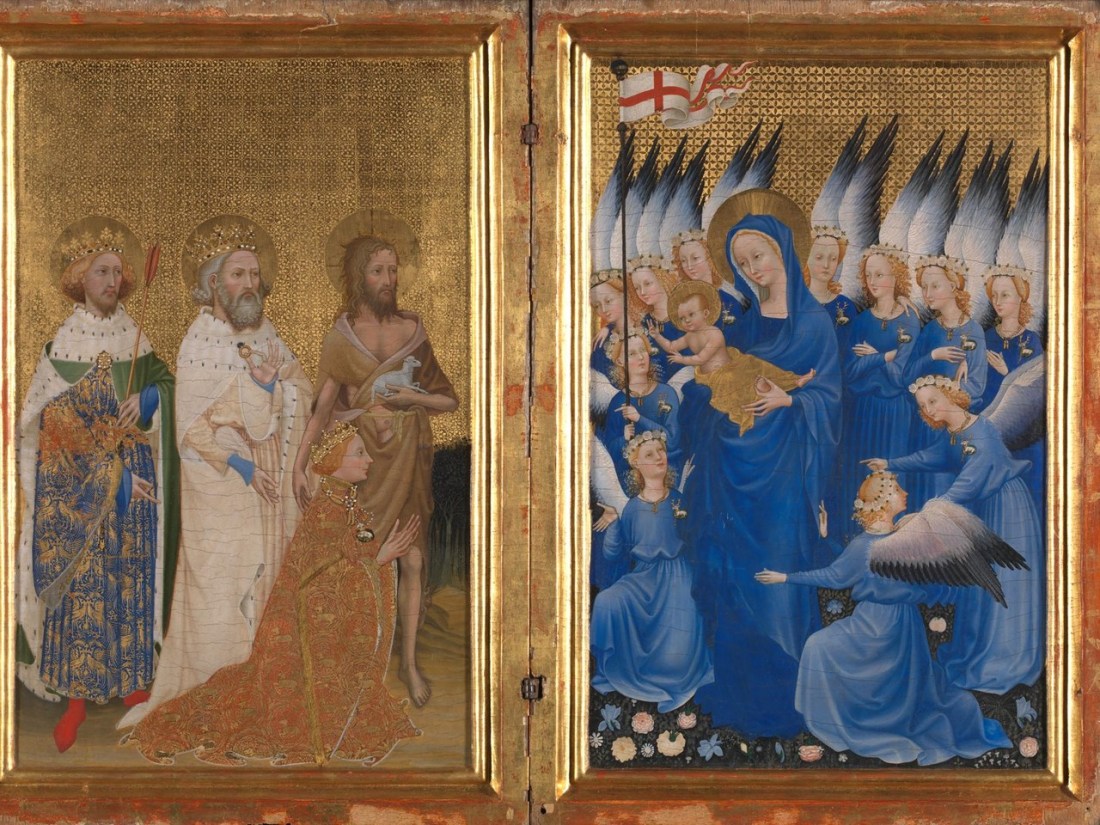
The Image of a King: The Wilton Diptych and Richard II
The Wilton Diptych is one of the oldest and most luxurious works in the National Gallery’s collection. This gold covered diptych was made some time between 1395 and 1399 by English or French craftsmen for King Richard II of England, it is laden with symbolic imagery connected with Richard and his divine right to rule, not just in its subject matter but also in the materials and techniques involved in its making.
The Last Day: The National Gallery on the Eve of Lockdown
The National Gallery has been part of my life for a long time now, from the excitement of boyhood day trips up to London with my father to the hours spent in each room as a student, those grand halls on Trafalgar Square have been a reassuring constant all my life. So, when the Coronavirus outbreak arrived and the lamps went out in cultural institutions all over Europe, it was only a matter of time before Britain's artistic treasure trove was locked away.
Review: Gauguin’s Portraits at The National Gallery
★★★☆☆: Gauguin has been out in the cold for a while now. At this juncture in the twenty-first century, to praise a upper-middle class man who abandoned his family of six to become a painter and who proceeded to fetishise the culture of Polynesia to the point of engaging in sexual relations with minors (in western eyes) and fictionalising their society, seems counter to the direction in which the study of art has been moving.