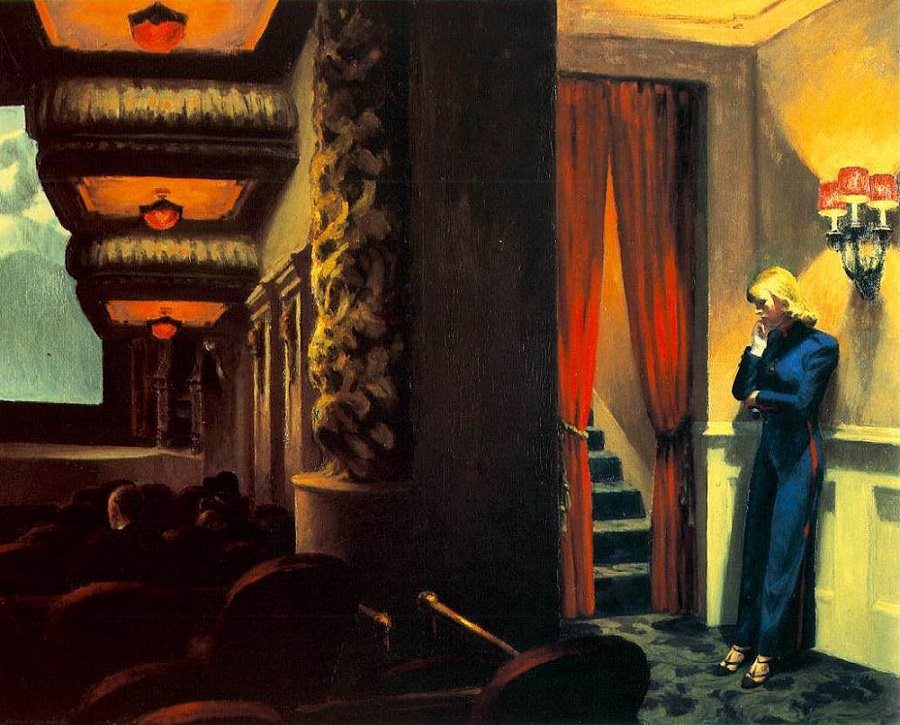
...This imagining of a future is where the downtrodden Americans found their escapism, and nowhere can this be more clearly seen than in the increasingly popular and developing world of the American movie – Hopper’s chosen setting for his painting. Just as Clark sees the café-concerts as representative of Parisian society in the 1880s, we can see the cinema as 1930s New York’s equivalent. The anxiety of the period manifested itself in the growing popularity of horror movies in the ‘30s, much like the blood and violence found in the pages of pulp fiction novels. People found a sense of catharsis in stories of people worse off than themselves, as well as a brief distraction from their own misery...
Tag: Modernism
In Barbara Hepworth’s Garden…
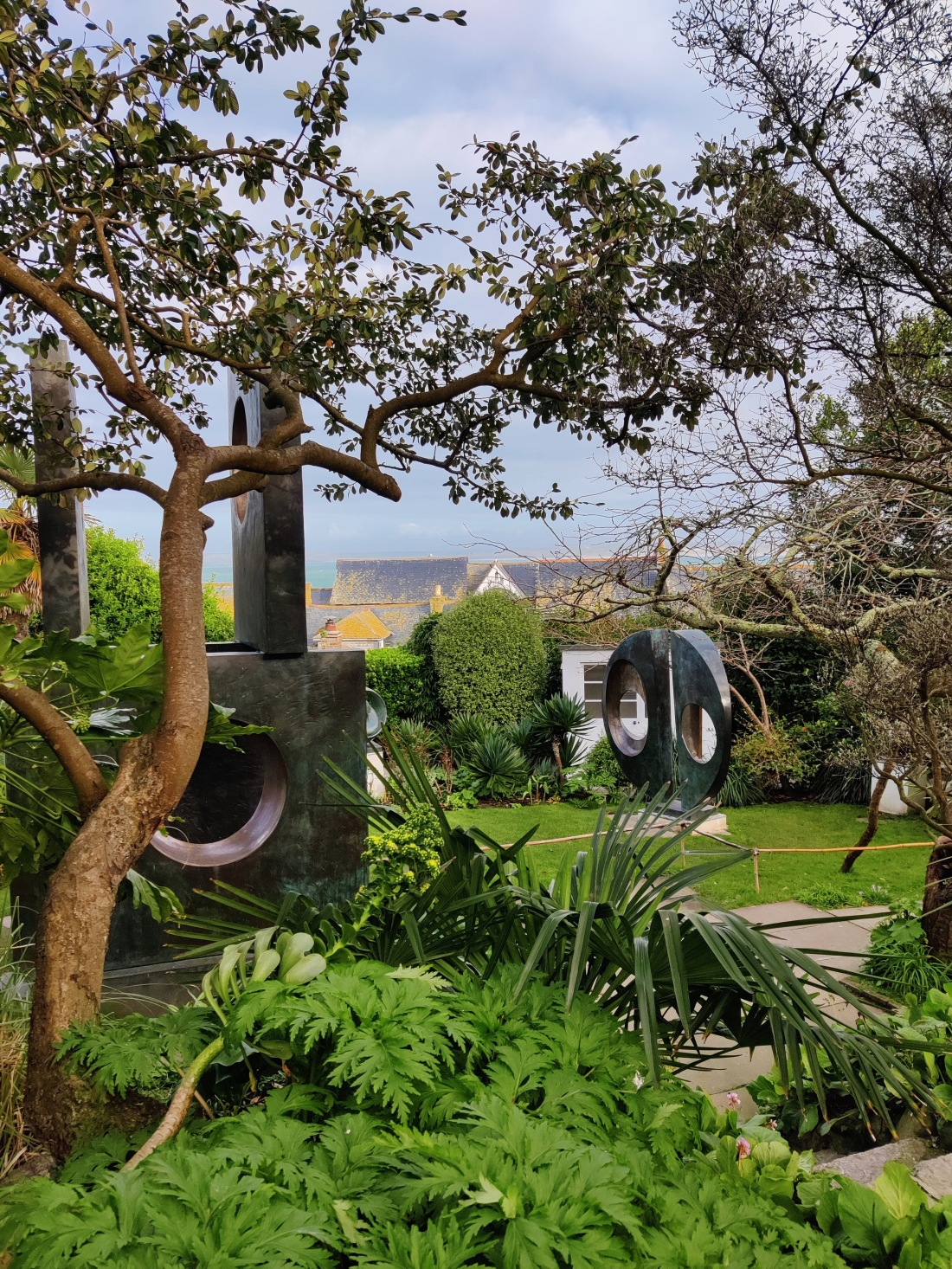
...Hepworth’s life and work is soaked in the genius loci, so it is no surprise that her garden, with its carefully curated selection of her works, is potent with that magical intangible energy. Wondrously, her studio and garden have been preserved as a museum (run by Tate) exactly as they were left in 1975. The plaster and clay splattered overalls still hang on the back of the door, the rows of chisels lie patiently and unstirred, half-finished sculptures litter the workshop, the potted succulents still bask in the greenhouse. The rich green planting of palms, grasses, and ferns remains as laid out by Hepworth and her friend the composer Priaulx Rainier, and nestled amongst the leaves and fronds sit her own selection of her work as if grown there from the soil under her watchful care…I suppose in many ways they were...
Review: ‘The Making of Rodin’, Tate Modern
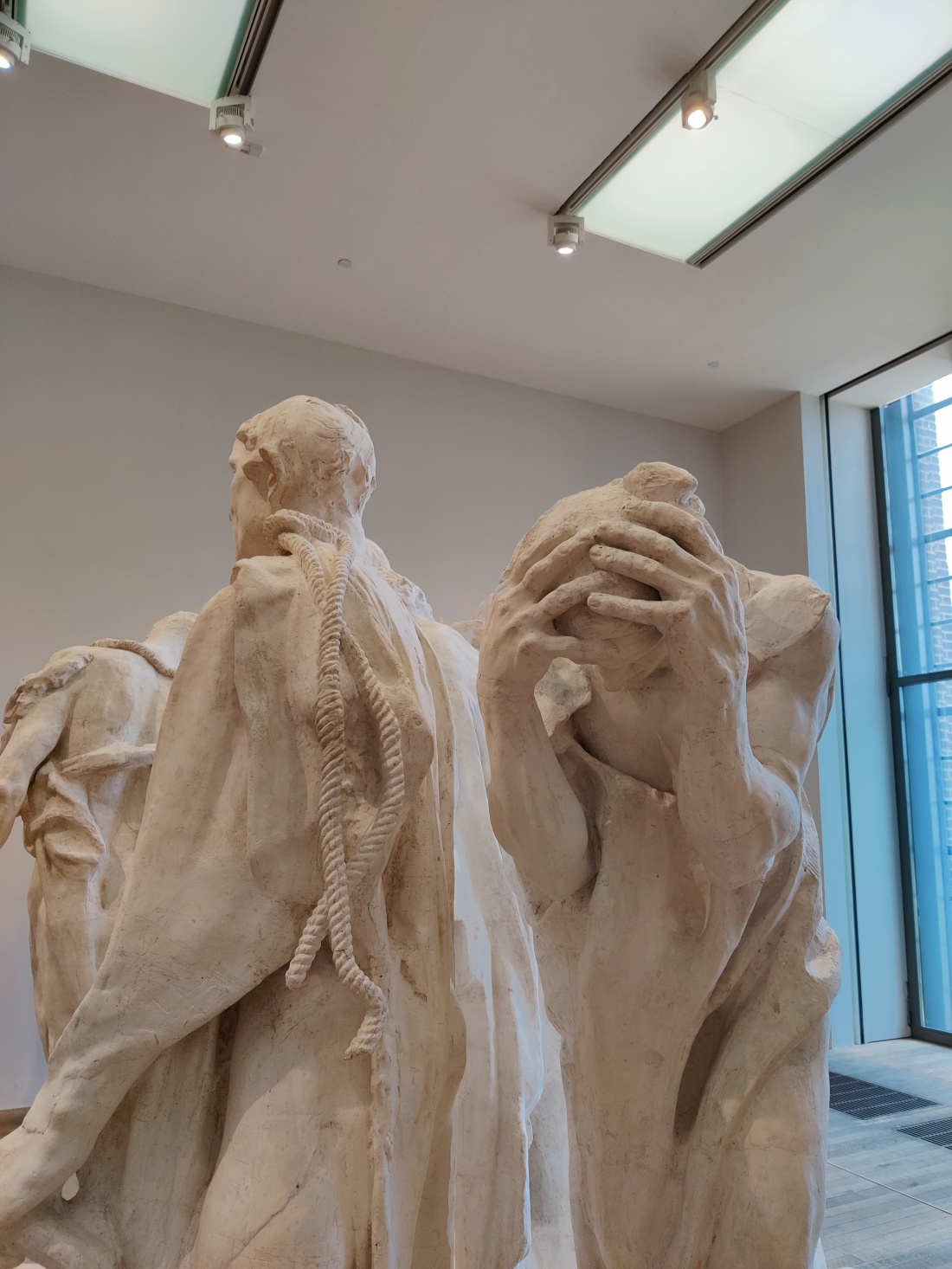
★★★☆☆: After more than a year of semi-solitary existence, interspersed with the occasional out-door meeting with select family and friends, the appearance of other people has become increasingly alien. And with the government mandated distance to be maintained at all times, the usual interactions of hands and arms and the close-up reading of each other's faces have become not only a distant memory but even, at times, a life threatening action. And so, it was a delight to find that my first exhibition visit out of the trap after the (hopefully) final lockdown was one filled with such humanity and tactility.
Arcadia Suburbia: The Architecture of Hampstead Garden Suburb
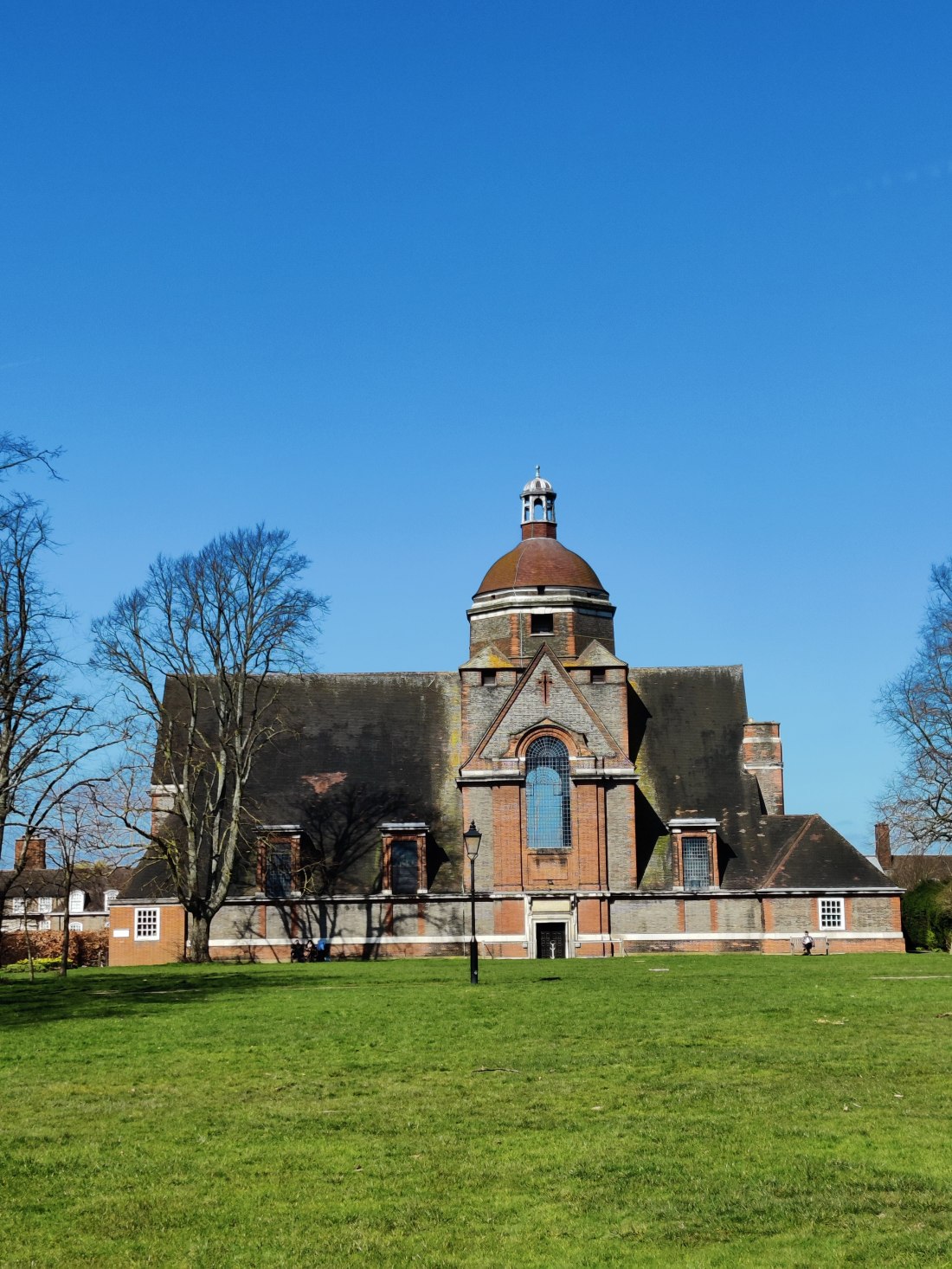
'There are few places within the M25 where something approaching a rural idyll can be found. One such place is Petersham, a hamlet in the water meadows to the south of Richmond. It’s a mixture of vernacular architecture, roads designed for feet and hooves, and birdsong filled hedgerows. Another such place is Hampstead Garden Suburb, but whereas Petersham is the result of the accidents of history HGS is contrived - picturesque to order.'
London Stations: Part One – Paddington, Euston & Waterloo
London has what must be the most varied and exciting set of railways termini of any city in the world, one would expect not less of the capital of the country that gave birth to the modern railway. Thanks to foresighted Victorian planning laws, they all sit in a ring around the centre of London, they make no ugly scars through the urban fabric but rather stand as the old gates of The City used to, each with their own character and each with its own unique purposes. For E.M. Forster each possessed, in its architectural fabric, the latent spirit of those far away destinations to which their rails stretched. 110 years after Forster’s ode to these palaces of arrival and departure, from the age of steam to the age of electric, what spirit, if any, do London’s stations still possess?
Heroic Doubt: Cezanne and The Modern Eye
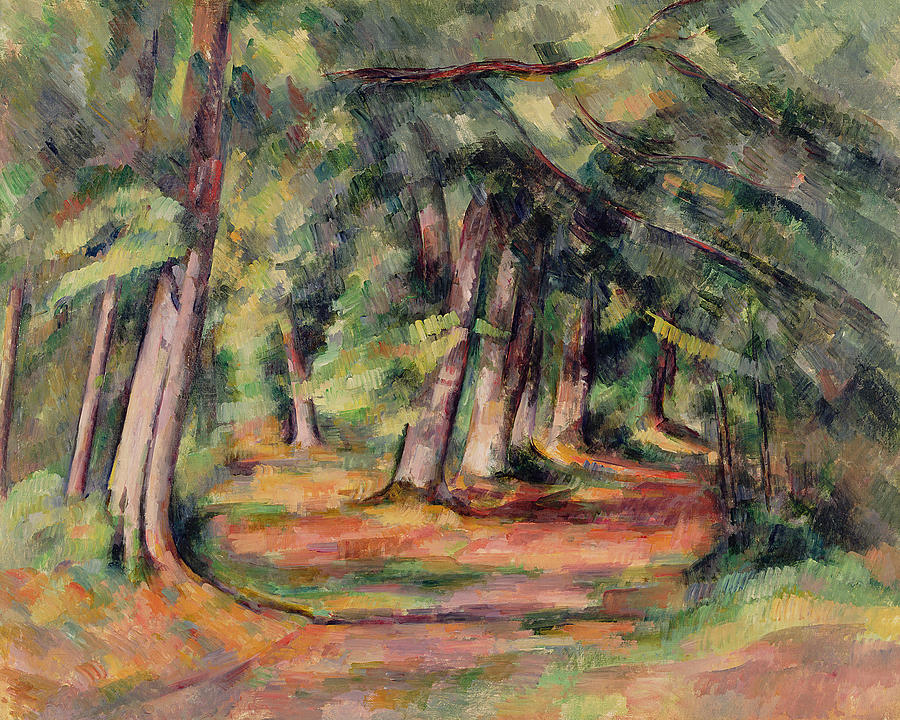
Open any general survey of the art of the twentieth century and you’ll find him right there at the beginning. The Jesse at the root of the modernist tree, it all comes back to Cezanne. Without him there's no cubism, there's no fauvism, then there's no expressionism or futurism. For Picasso, Cezanne was a “mother hovering over” his work, for Matisse he was “father to us all”. Having been posthumously made both matriarch and patriarch of all modern art, it has become hard to understand Cezanne in his own terms, to strip away the retrospective epitaphs and mythos in order to discover the old man in the big Provencal house who painted only for himself. The Cezanne of those hesitant, sketchy, sun baked landscapes and quietly rotting still lives, so unassuming, yet so revolutionary.
The Nash Brothers: Visions of England
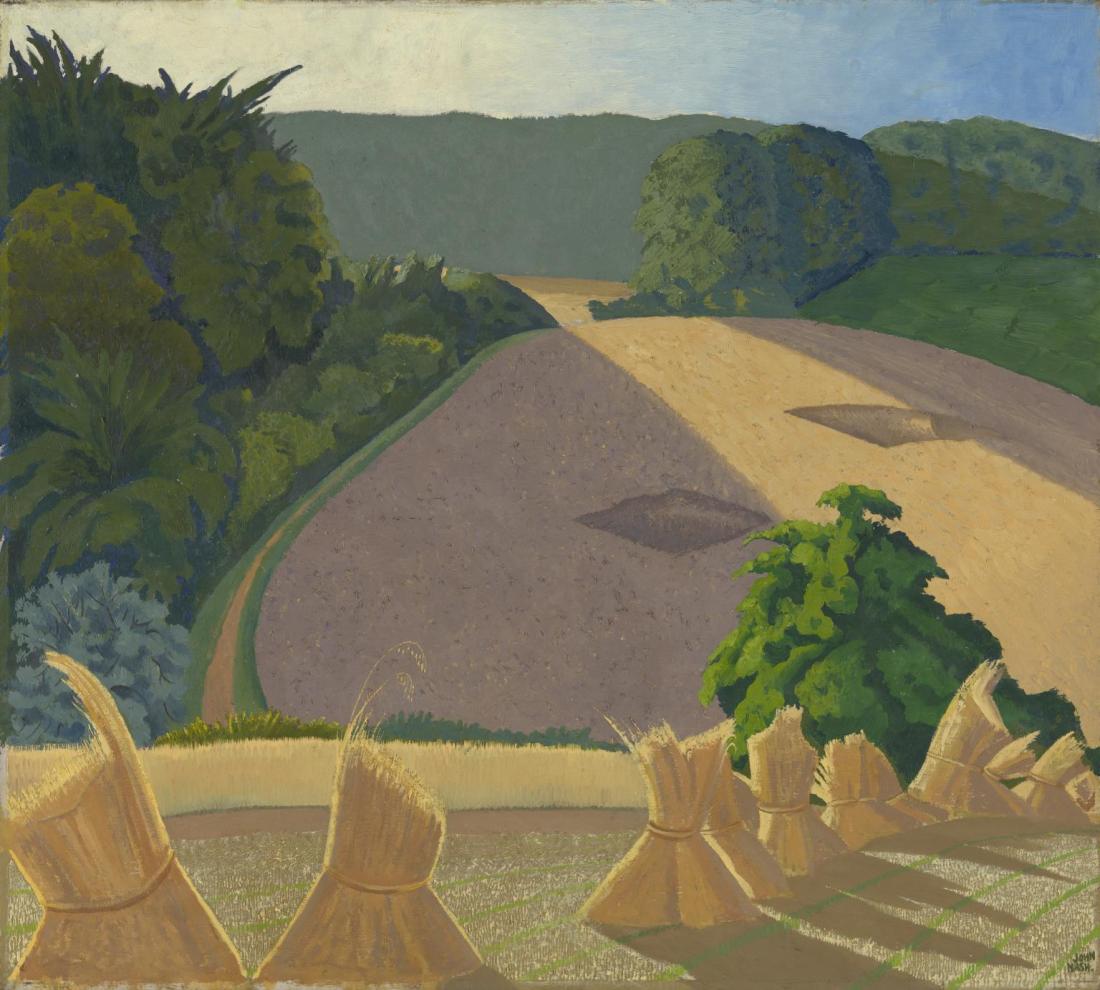
The English have a strong tradition of landscape painting. From Gainsborough, through Turner and Constable, to David Hockney. The English countryside is a subject that has captivated artists and audiences for generations. In a century as calamitous as the twentieth the bucolic landscapes of the past needed rethinking, could a simple field with cows, or a sunset across the hills reflect and redeem an epoch of such dramatic change and flux. In the first half of the century, when the established Victorian order was being shattered, two brothers emerged who would redefine how we saw the English landscape in the modern age.
Review: Léon Spilliaert at The Royal Academy
★★★★★: Belgium, land of beer, chocolate, charming medieval towns and cosy city breaks. If this is your idea of the diminutive Benelux nation then Léon Spilliaert is here to make you think again. Prepare to be drawn into an intoxicating world of insomniac melancholy that will forever change the way you see the home of Tintin and waffles.
Review: Picasso on Paper at the Royal Academy.
★★★★☆: Works on paper can often be seen as room-filler when a gallery can’t quite muster enough ‘proper works’, paintings and sculptures, to fill their space. They are normally objects that exist primarily in the realm of art historians, tools for them to unlock the secrets of an artist’s grander works. However, in the eternal struggle to find an original angle on that godfather of modernism, Pablo Picasso, the RA have dedicated an enormous show just for his works on and using paper.
Review: Gauguin’s Portraits at The National Gallery
★★★☆☆: Gauguin has been out in the cold for a while now. At this juncture in the twenty-first century, to praise a upper-middle class man who abandoned his family of six to become a painter and who proceeded to fetishise the culture of Polynesia to the point of engaging in sexual relations with minors (in western eyes) and fictionalising their society, seems counter to the direction in which the study of art has been moving.