Edwin Seward: The Man Who Built Cardiff
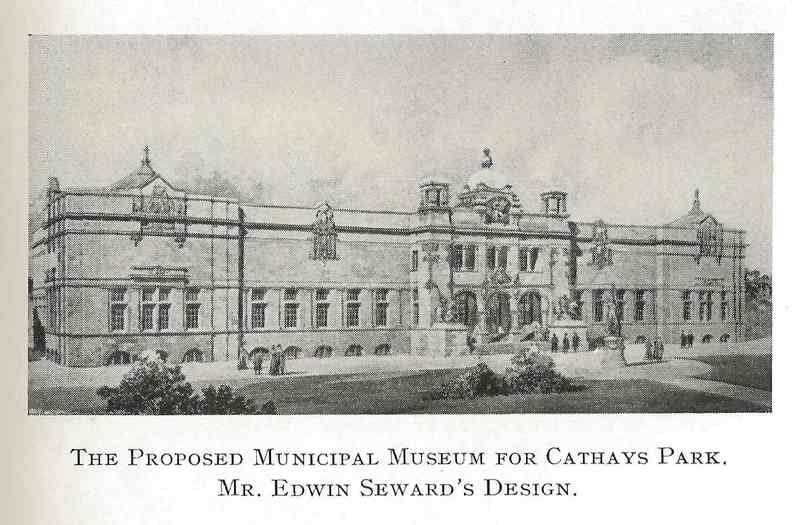
Occasionally an architectural style can be so dominant in a city that it becomes a kind of local vernacular. Bath is given its identity by the Regency Neoclassical, Bristol has its own variation on the Byzantine, Oxford is high-gothic and Coventry is mid-century modern. York is known by its warren of medieval streets and Aberdeen has its own particular granite solidity. Amongst all these, Cardiff, capital of Wales, must be the city of mongrel architecture, an architecture of eclecticism that takes from all styles and sources to make something utterly original, and it would seem this can be traced back to one man, Edwin Seward. 

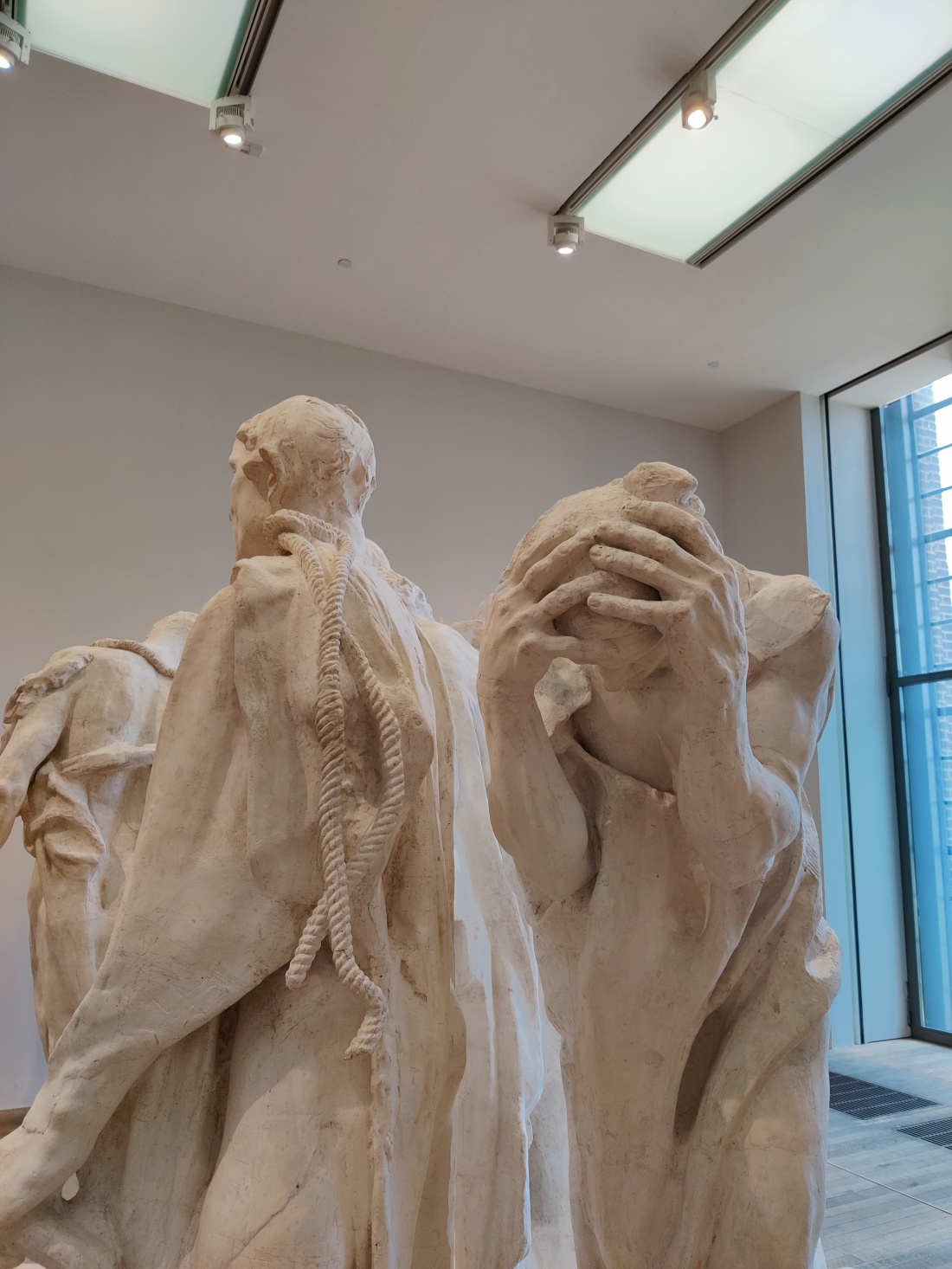
Review: ‘The Making of Rodin’, Tate Modern

★★★☆☆: After more than a year of semi-solitary existence, interspersed with the occasional out-door meeting with select family and friends, the appearance of other people has become increasingly alien. And with the government mandated distance to be maintained at all times, the usual interactions of hands and arms and the close-up reading of each other's faces have become not only a distant memory but even, at times, a life threatening action. And so, it was a delight to find that my first exhibition visit out of the trap after the (hopefully) final lockdown was one filled with such humanity and tactility. 

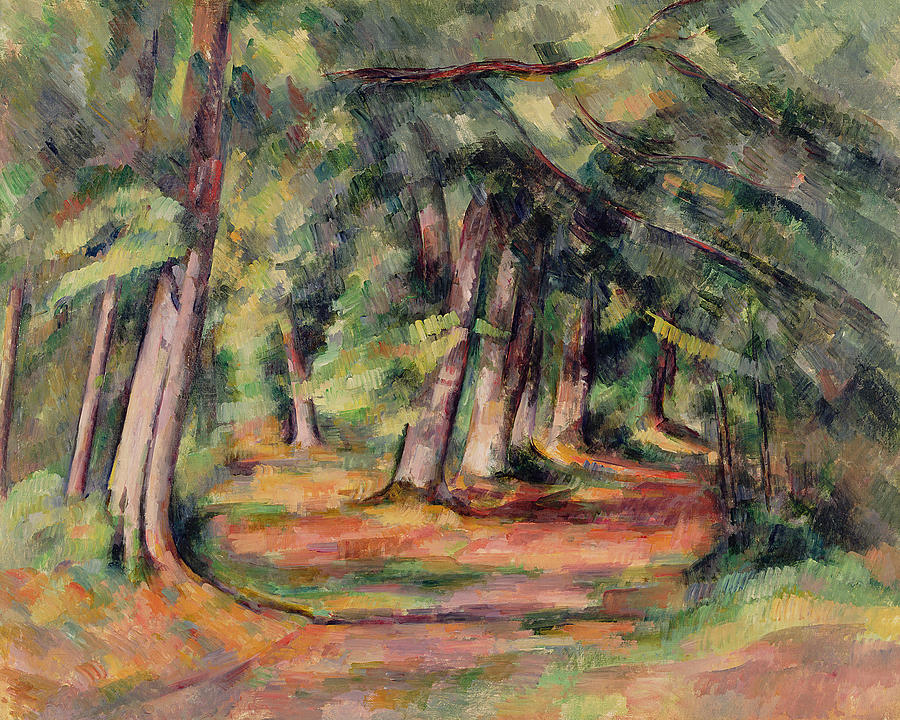
Heroic Doubt: Cezanne and The Modern Eye

Open any general survey of the art of the twentieth century and you’ll find him right there at the beginning. The Jesse at the root of the modernist tree, it all comes back to Cezanne. Without him there's no cubism, there's no fauvism, then there's no expressionism or futurism. For Picasso, Cezanne was a “mother hovering over” his work, for Matisse he was “father to us all”. Having been posthumously made both matriarch and patriarch of all modern art, it has become hard to understand Cezanne in his own terms, to strip away the retrospective epitaphs and mythos in order to discover the old man in the big Provencal house who painted only for himself. The Cezanne of those hesitant, sketchy, sun baked landscapes and quietly rotting still lives, so unassuming, yet so revolutionary.

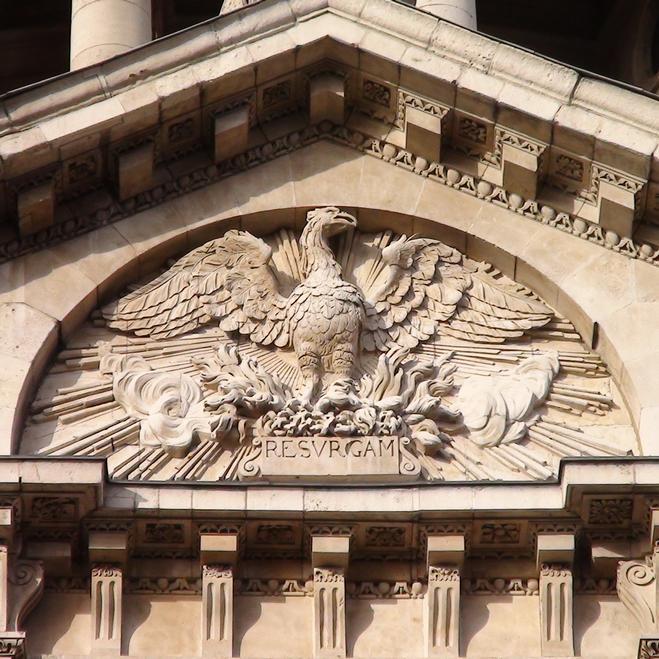
Ashes to Ashes: Fires, Cathedrals, and Resurrections

On the 11th June 1144 Abbot Suger of the Abbey of St Denis, Paris, gathered the bishops of France for the dedication of his newly built choir and east end. This marked a sea-change in architecture, gone was the heavy solidarity of the Romanesque and in came the lightness and delicacy of the Gothic. In the years after the meeting of the bishops, many of their home cathedrals would burn down only to rise from the ashes in the new gothic style of Suger’s St Denis.