Building Beauty: Christopher Wren in is own words

Sir Christopher Wren casts the longest shadow of all English architects, still reaching into our own times, the 25th of February 2023 marks 300 years since his death. It can sometimes feel like everything built after him is in some way a response to or repudiation of his astonishing legacy of construction. From the Sheldonian Theatre in Oxford, through a diverse set of city churches, military hospitals and college libraries, and on to his undoubted masterwork, St Paul’s Cathedral, Wren’s architectural career was as varied as the styles in which he worked. His habit of dancing between Palladianism, pure classical revival, ornamented Baroque, and even the Gothic vernacular, has left many students of his architecture desperate for a unifying factor, something that can collect each work into a comprehensible retrospective. Instead of adding to the flutter of articles and essays exploring Wren’s buildings that will mark this anniversary, I’m going to explore the fragmentary and limited texts that Wren left behind which may give us a clearer idea of the great man’s own personal explanation of his career.  

Nature Morte, Nature Vivante: Cézanne & Morandi in London

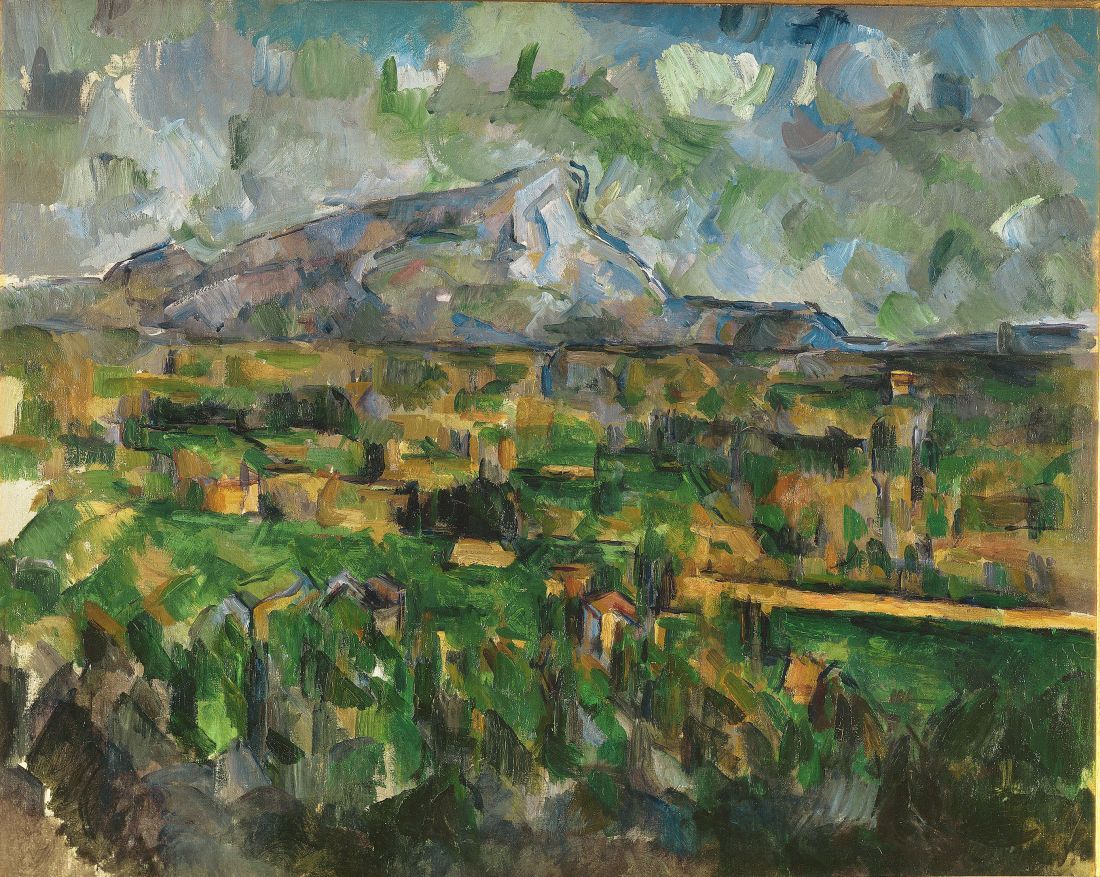
Travelling through a still, dead, January landscape to a wintery London to be met with the lively, cicada-filled warmth that radiates from the canvases of Paul Cézanne is a restorative experience. Whilst the country lies in its dormant state, still and unchanging, there is a deep joy to be found in surrounding oneself with the fluttering, flicking leaves, the sultry mistral breezes, and the quiet lapping of diminutive Mediterranean waves that Cézanne mastered in his late age. The Art Institute of Chicago had this large retrospective last year before the works were shipped to the Tate Modern where they currently constitute the winter ‘blockbuster show’ but, whilst my first intention was the review and record this major exhibition, it was a much smaller, quieter show that I saw a day later which brought a certain clarity to the particular way of seeing both artists explore.

The Turner Prize: An Obituary

Reports of the Turner Prize’s longevity are greatly exaggerated. The fatal blow to Britain’s previously vaunted, and often controversial, contemporary art medal came in 2019 when the four nominees demanded to be recognised as an impromptu ‘collective’ and thus all claim the prize money as a group. Provocative gestures have been the bread and butter of the Turner since its inception in 1984, however, this ‘collective’ decision came in for much criticism as it rather defeated the point of the award and its enormous prize pool. The function of the prize is not only to highlight interesting and innovative artists at work in the UK but also to grant the winner a windfall of money with which to support their future career. In short, it is a prize for a breakthrough artist, an opportunity for their contribution to the culture of these islands to be brought to the wider attention of the public and a showing of criticism and debate in the arts. There being one winner is an important element of the exercise, it demonstrates that not all art is born equal.

A Welshman in Naples: Thomas Jones & the Reason for Art

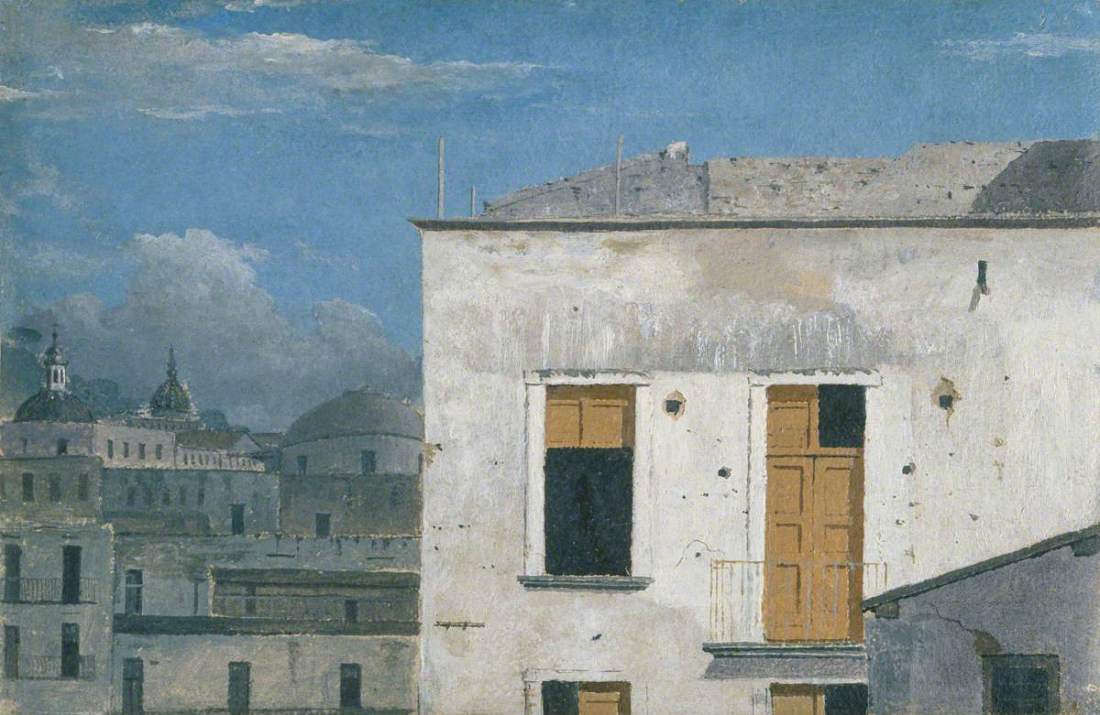
...In 1763 another young Welshman, fresh from abandoning an Oxford degree in Theology, arrived in London to seek tutelage from Wilson. Even today the London-Welsh club together like ex-pats the world over, so it is no surprise that Wilson appears to have warmed to his fellow Welshman immediately and took him on as an apprentice. Thomas Jones (the name is…not unusual), was born in the wilds of Mid Wales in 1742 to a landowner of middling status, by 1765, under the guidance of Wilson, Jones was already exhibiting landscapes in the ‘grand manner’ of Claude and Poussin at the Society of Arts (which three years later would become the famous Royal Academy of Arts).'...

Review – Walter Sickert at Tate Britain: Smoke and Mirrors

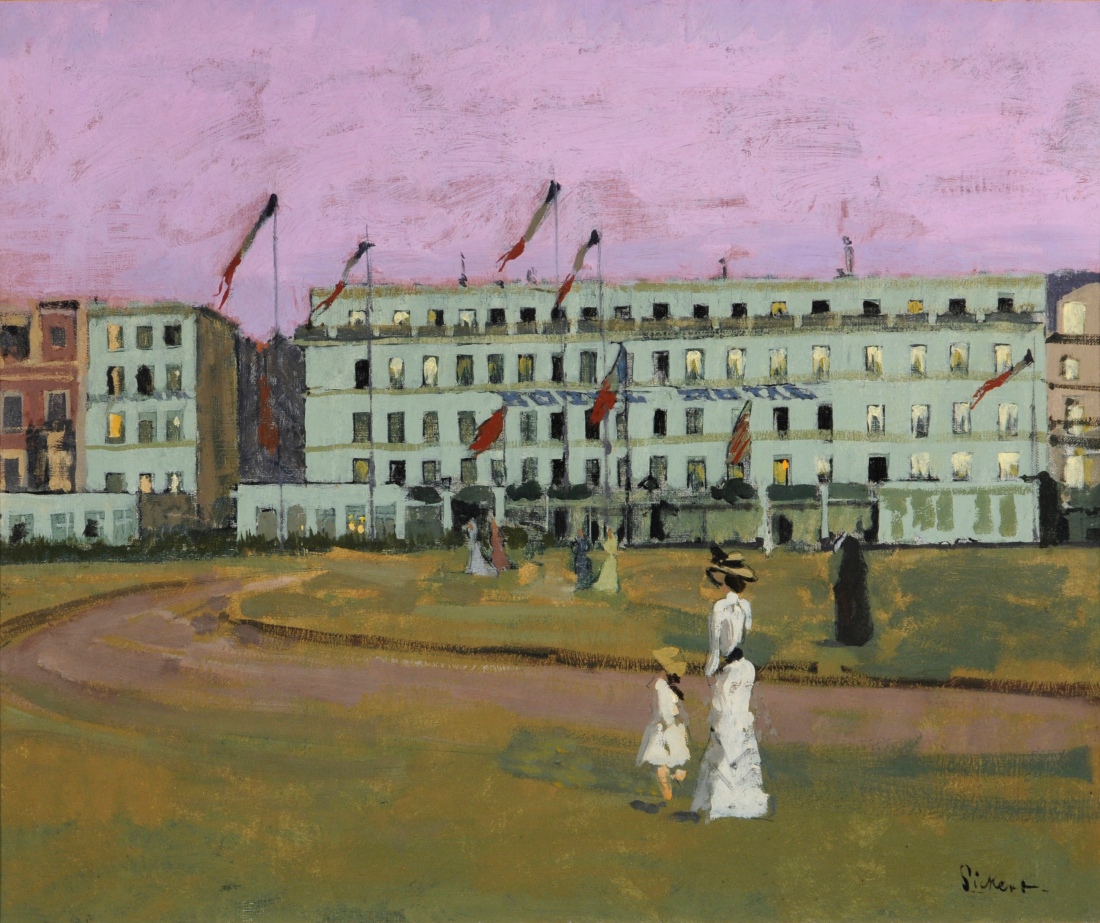
★★★★☆: "Walter Sickert is probably one of the most exciting, idiosyncratic, maligned, misunderstood, and captivating artists that Britain has ever produced. His long life and career was made up of ambiguity and contradiction. A British artist born in Germany and trained by American and French painters, an aspiring actor who turned to painting as an alternative medium to tell his stories, and a man who revelled in changing the identities and titles of both himself and his works. The smoke and mirrors that surround his life are probably what led the crime-writer Patricia Cornwell to write an allegedly ‘non-fiction’ and dubiously researched book in 2002 that presented her case for Sickert being the almost mythical serial killer Jack the Ripper. The current retrospective of his works at Tate Britain (until 18th Sept) is mercifully without such slanderous assumptions and presents Sickert as an innovative and experimental painter with a long and varied career."

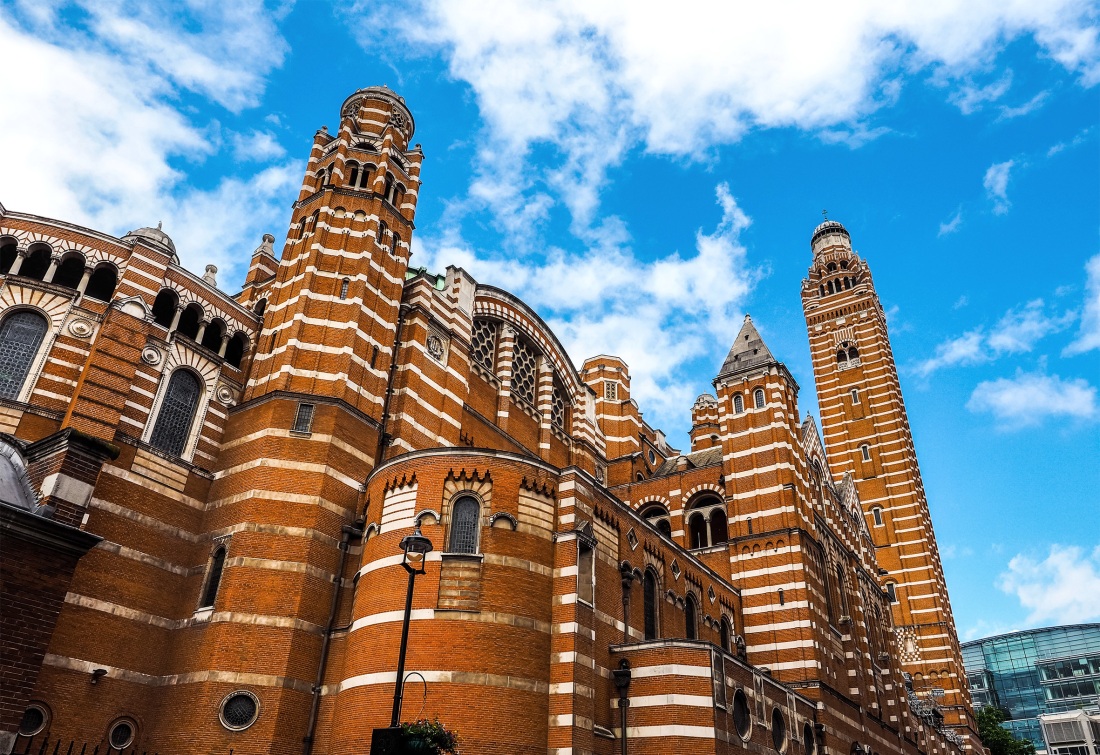
The Forgotten Cathedral: Byzantium comes to Westminster

"To paraphrase John Lennon, Westminster Cathedral isn't the most famous church in the world, it's not even the most famous church in Westminster. While millions of tourists a year flood through the ticket office of Westminster Abbey, keying numbers in the inexplicably sicky audio guides and gawping through the railings at ancient Kings and Queens, only five minutes down the road stands a neighbour who is seldom included on a pre-planned itinerary. Westminster Cathedral is halfway between Victoria Station and Parliament Square but it might as well be halfway between Venice and Istanbul."

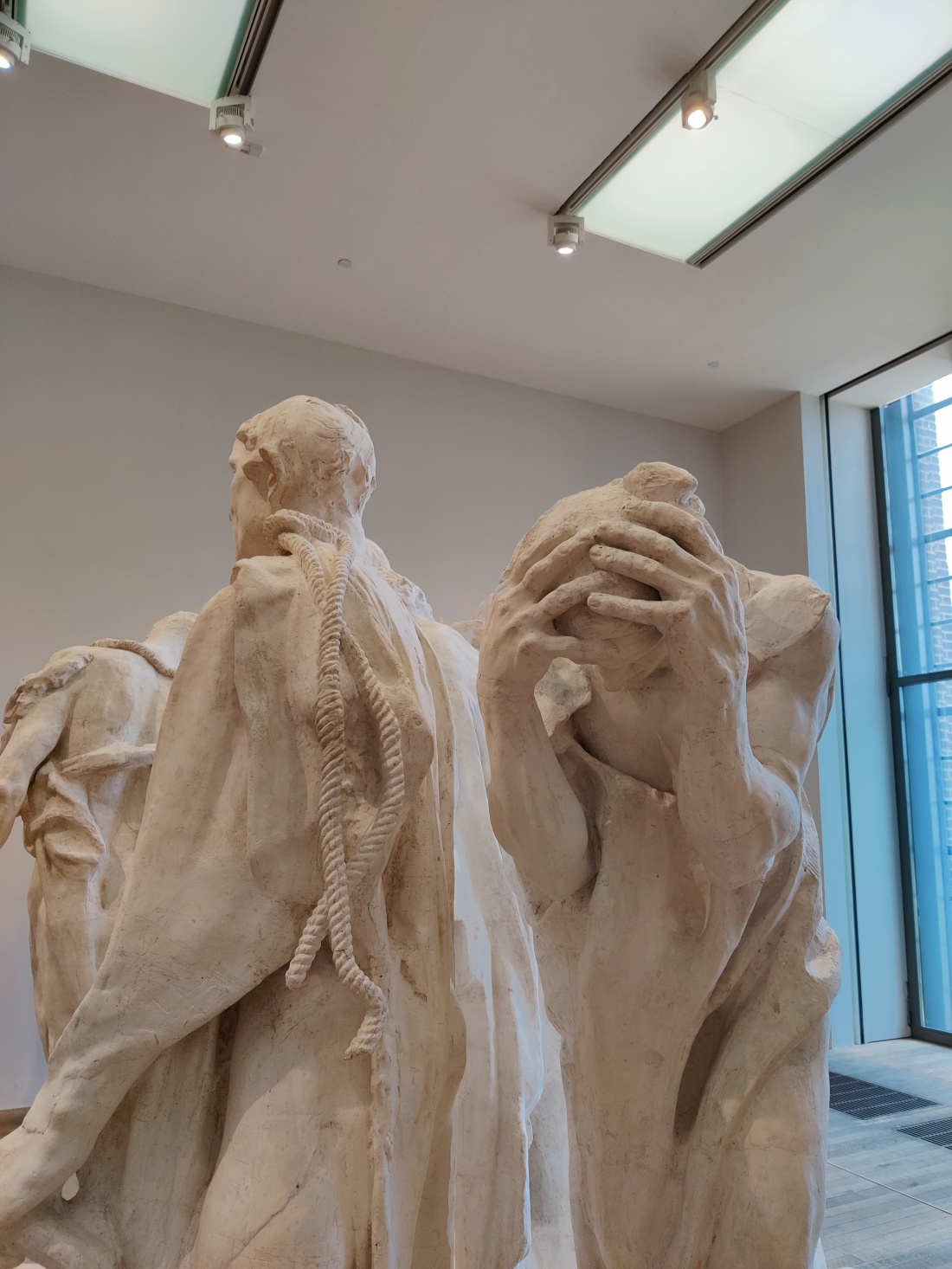
Review: ‘The Making of Rodin’, Tate Modern

★★★☆☆: After more than a year of semi-solitary existence, interspersed with the occasional out-door meeting with select family and friends, the appearance of other people has become increasingly alien. And with the government mandated distance to be maintained at all times, the usual interactions of hands and arms and the close-up reading of each other's faces have become not only a distant memory but even, at times, a life threatening action. And so, it was a delight to find that my first exhibition visit out of the trap after the (hopefully) final lockdown was one filled with such humanity and tactility. 

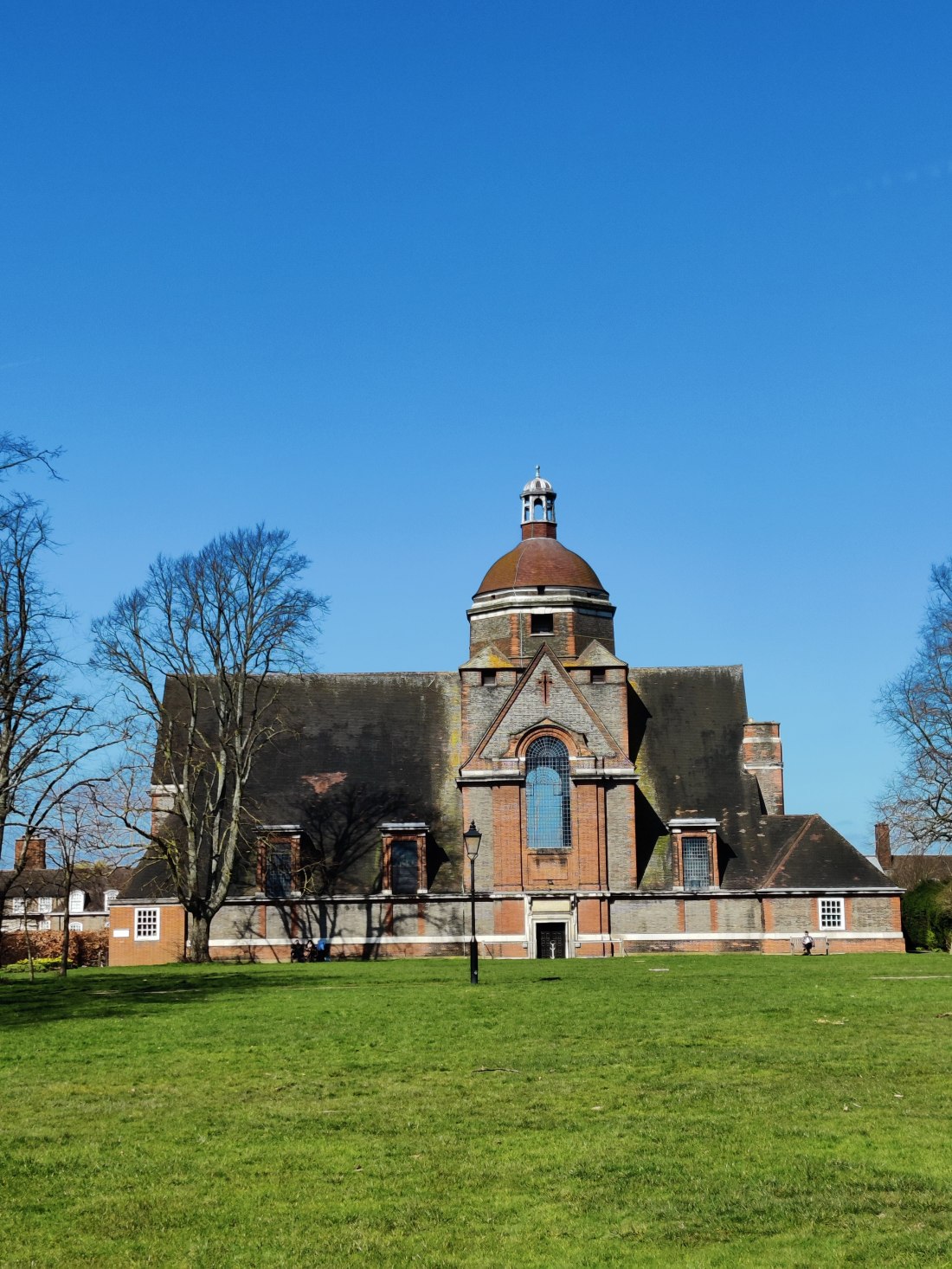
Arcadia Suburbia: The Architecture of Hampstead Garden Suburb

'There are few places within the M25 where something approaching a rural idyll can be found. One such place is Petersham, a hamlet in the water meadows to the south of Richmond. It’s a mixture of vernacular architecture, roads designed for feet and hooves, and birdsong filled hedgerows. Another such place is Hampstead Garden Suburb, but whereas Petersham is the result of the accidents of history HGS is contrived - picturesque to order.'

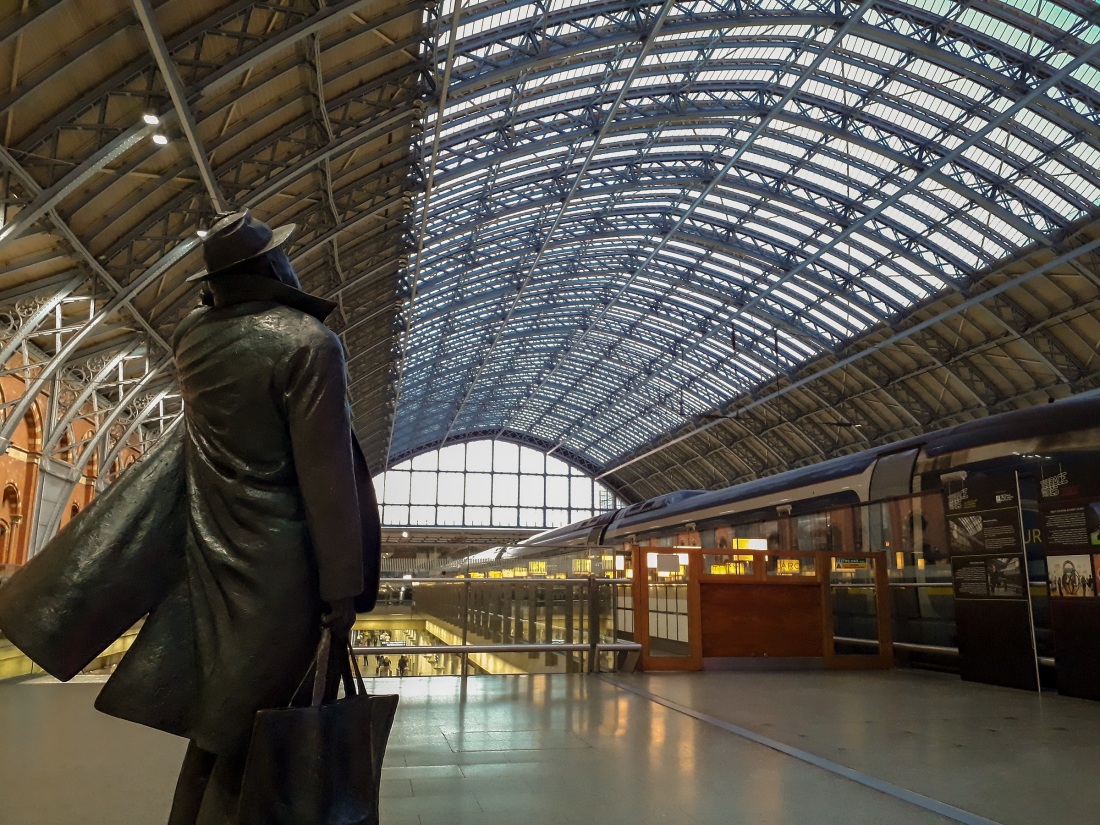
London Stations: Part One – Paddington, Euston & Waterloo

London has what must be the most varied and exciting set of railways termini of any city in the world, one would expect not less of the capital of the country that gave birth to the modern railway. Thanks to foresighted Victorian planning laws, they all sit in a ring around the centre of London, they make no ugly scars through the urban fabric but rather stand as the old gates of The City used to, each with their own character and each with its own unique purposes. For E.M. Forster each possessed, in its architectural fabric, the latent spirit of those far away destinations to which their rails stretched. 110 years after Forster’s ode to these palaces of arrival and departure, from the age of steam to the age of electric, what spirit, if any, do London’s stations still possess?