Art in the Time of Coronavirus

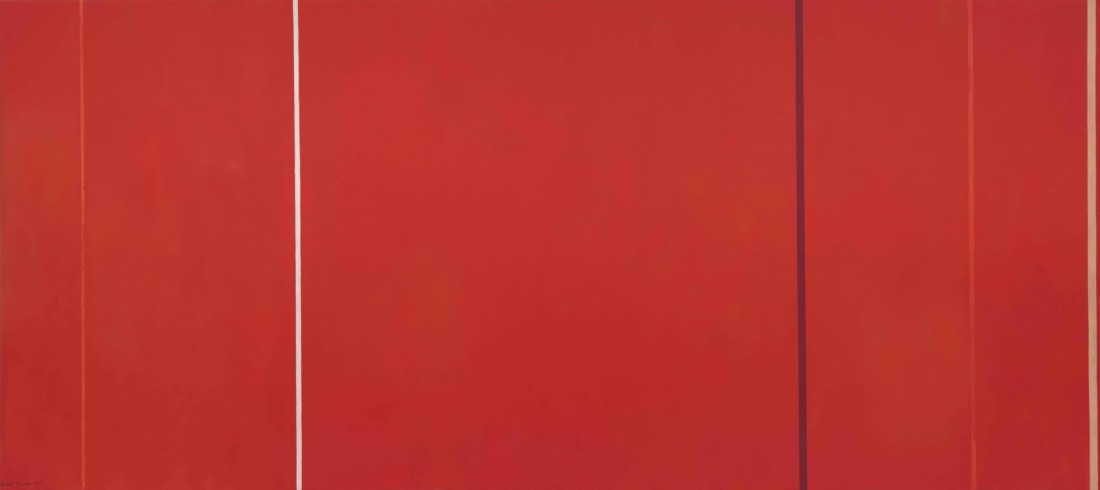
...In the face of a cacophony of disaster, works of art can have an appealing quality - they are their own contained universes, created from, but often unaffected by, our own. The finite edges of a painting, the constancy of a sculpture, or the familiar reproduction of symphonic notes, offer a fixed point against which to observe and contextualise our own moment of flux...

London Stations: Part One – Paddington, Euston & Waterloo

London has what must be the most varied and exciting set of railways termini of any city in the world, one would expect not less of the capital of the country that gave birth to the modern railway. Thanks to foresighted Victorian planning laws, they all sit in a ring around the centre of London, they make no ugly scars through the urban fabric but rather stand as the old gates of The City used to, each with their own character and each with its own unique purposes. For E.M. Forster each possessed, in its architectural fabric, the latent spirit of those far away destinations to which their rails stretched. 110 years after Forster’s ode to these palaces of arrival and departure, from the age of steam to the age of electric, what spirit, if any, do London’s stations still possess?

The Image of a King: The Wilton Diptych and Richard II

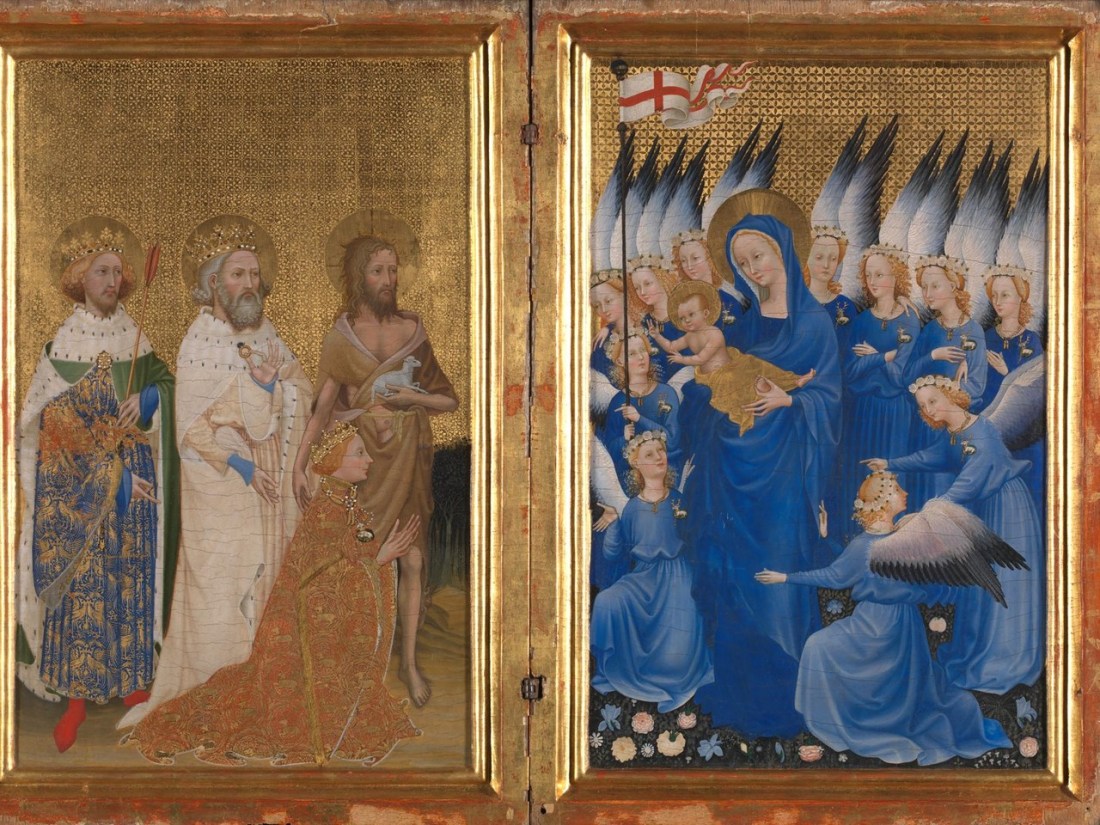
The Wilton Diptych is one of the oldest and most luxurious works in the National Gallery’s collection. This gold covered diptych was made some time between 1395 and 1399 by English or French craftsmen for King Richard II of England, it is laden with symbolic imagery connected with Richard and his divine right to rule, not just in its subject matter but also in the materials and techniques involved in its making.

What the Romantics did for us

A shift in thought almost unrivaled in the development of European civilisation, Romanticism spread its way through every form of culture - sometimes like a delicate mist, seeping into the psyche, other times bursting forth with volcanic vigour. Today we still live in the hangover of this revolution of thought and, with its developments incorporated into our quotidian existence, it is easy to overlook the seismic influence it had and has on the way we think, act, and create.