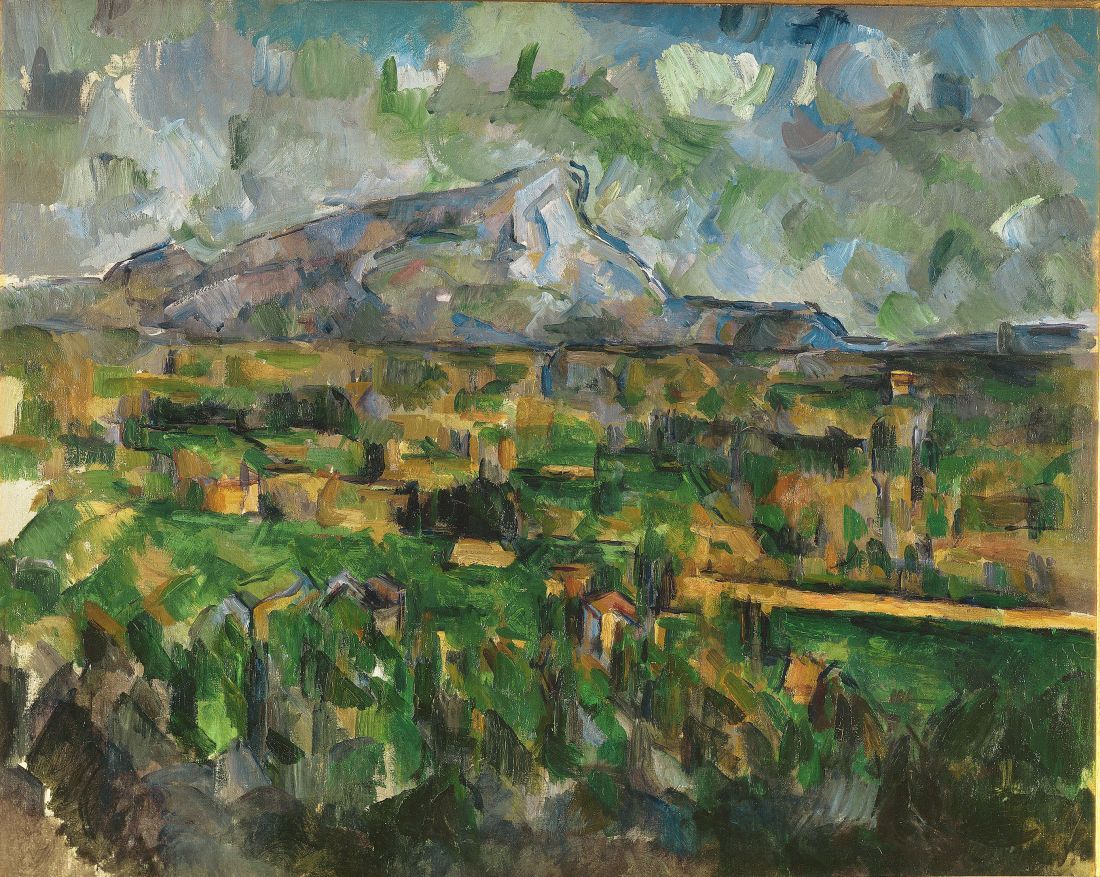
Travelling through a still, dead, January landscape to a wintery London to be met with the lively, cicada-filled warmth that radiates from the canvases of Paul Cézanne is a restorative experience. Whilst the country lies in its dormant state, still and unchanging, there is a deep joy to be found in surrounding oneself with the fluttering, flicking leaves, the sultry mistral breezes, and the quiet lapping of diminutive Mediterranean waves that Cézanne mastered in his late age. The Art Institute of Chicago had this large retrospective last year before the works were shipped to the Tate Modern where they currently constitute the winter ‘blockbuster show’ but, whilst my first intention was the review and record this major exhibition, it was a much smaller, quieter show that I saw a day later which brought a certain clarity to the particular way of seeing both artists explore.
Nature Morte, Nature Vivante: Cézanne & Morandi in London
 Morgan Haigh