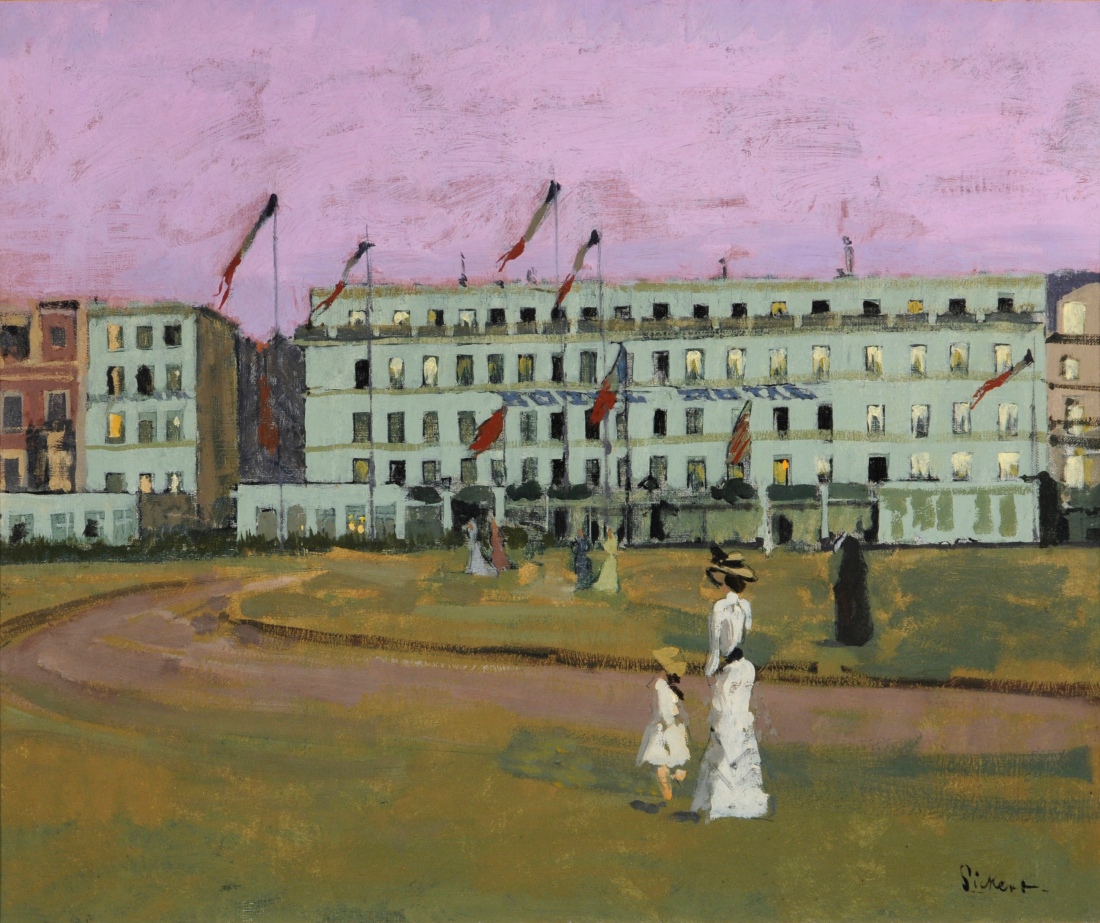
★★★★☆: "Walter Sickert is probably one of the most exciting, idiosyncratic, maligned, misunderstood, and captivating artists that Britain has ever produced. His long life and career was made up of ambiguity and contradiction. A British artist born in Germany and trained by American and French painters, an aspiring actor who turned to painting as an alternative medium to tell his stories, and a man who revelled in changing the identities and titles of both himself and his works. The smoke and mirrors that surround his life are probably what led the crime-writer Patricia Cornwell to write an allegedly ‘non-fiction’ and dubiously researched book in 2002 that presented her case for Sickert being the almost mythical serial killer Jack the Ripper. The current retrospective of his works at Tate Britain (until 18th Sept) is mercifully without such slanderous assumptions and presents Sickert as an innovative and experimental painter with a long and varied career."
Tag: Impressionism
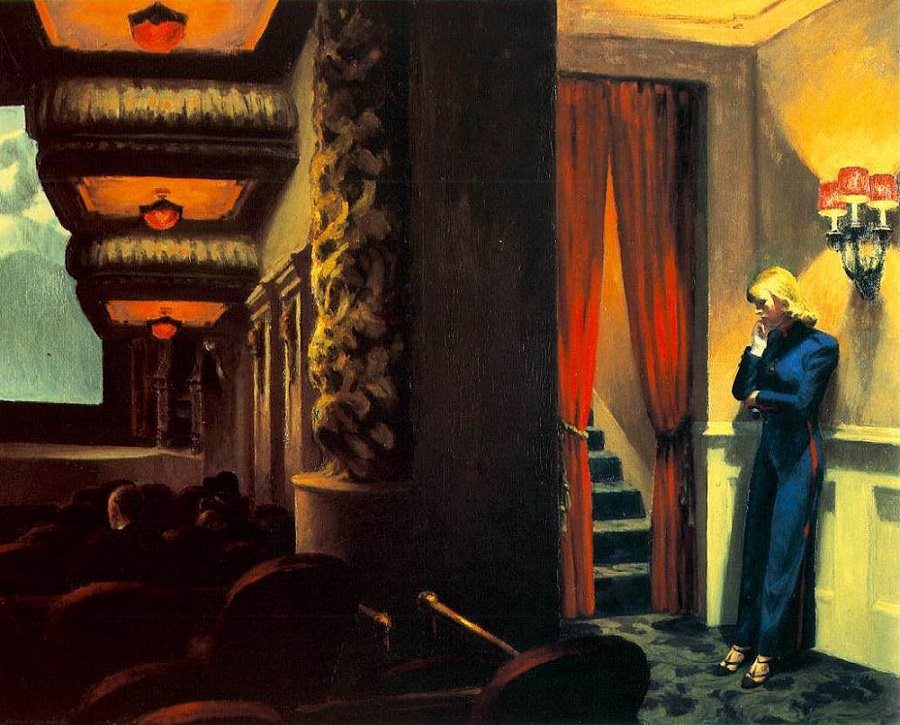
Hopper’s New York Movie: Social History in Paint
...This imagining of a future is where the downtrodden Americans found their escapism, and nowhere can this be more clearly seen than in the increasingly popular and developing world of the American movie – Hopper’s chosen setting for his painting. Just as Clark sees the café-concerts as representative of Parisian society in the 1880s, we can see the cinema as 1930s New York’s equivalent. The anxiety of the period manifested itself in the growing popularity of horror movies in the ‘30s, much like the blood and violence found in the pages of pulp fiction novels. People found a sense of catharsis in stories of people worse off than themselves, as well as a brief distraction from their own misery...
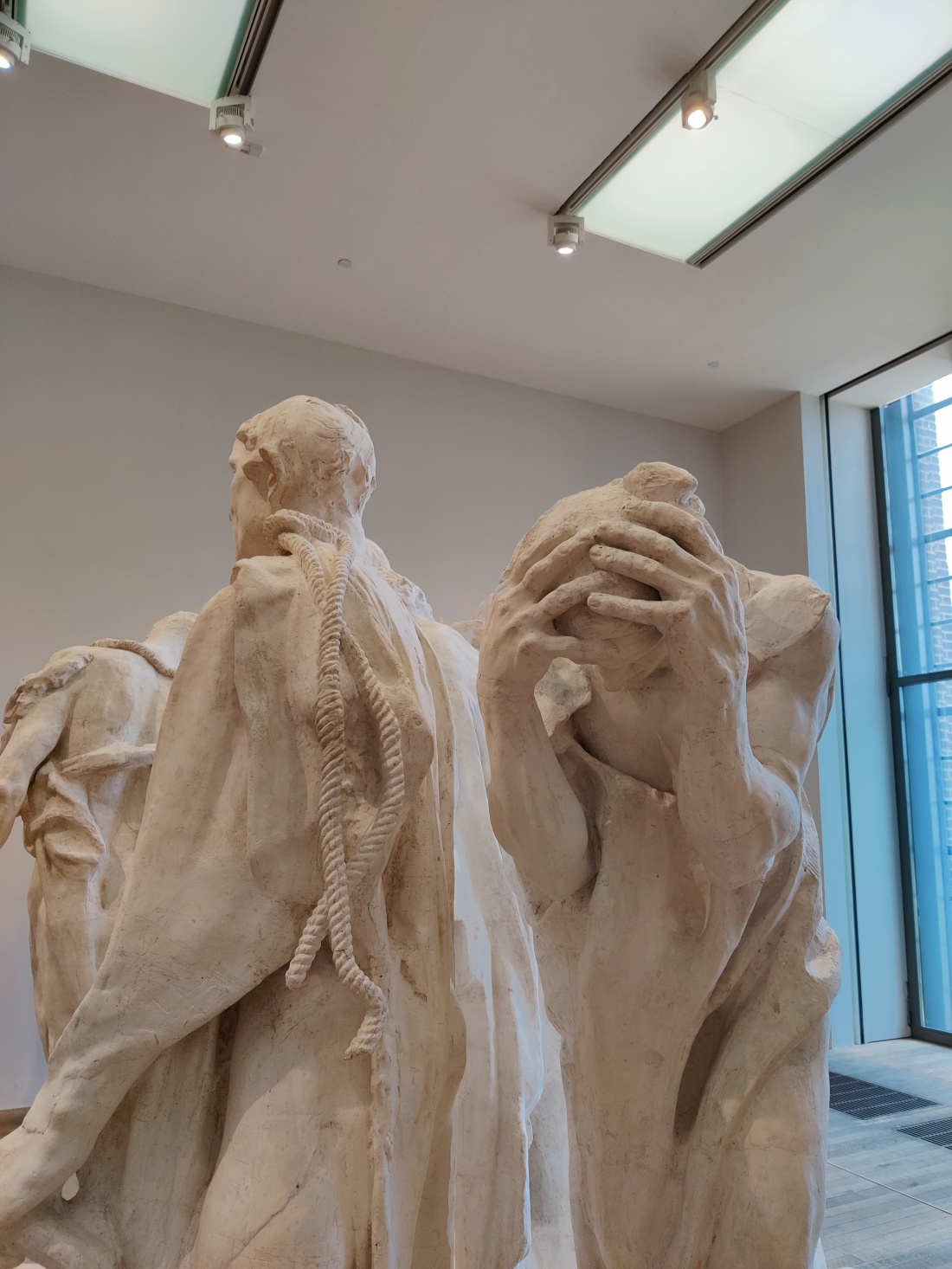
Review: ‘The Making of Rodin’, Tate Modern
★★★☆☆: After more than a year of semi-solitary existence, interspersed with the occasional out-door meeting with select family and friends, the appearance of other people has become increasingly alien. And with the government mandated distance to be maintained at all times, the usual interactions of hands and arms and the close-up reading of each other's faces have become not only a distant memory but even, at times, a life threatening action. And so, it was a delight to find that my first exhibition visit out of the trap after the (hopefully) final lockdown was one filled with such humanity and tactility.
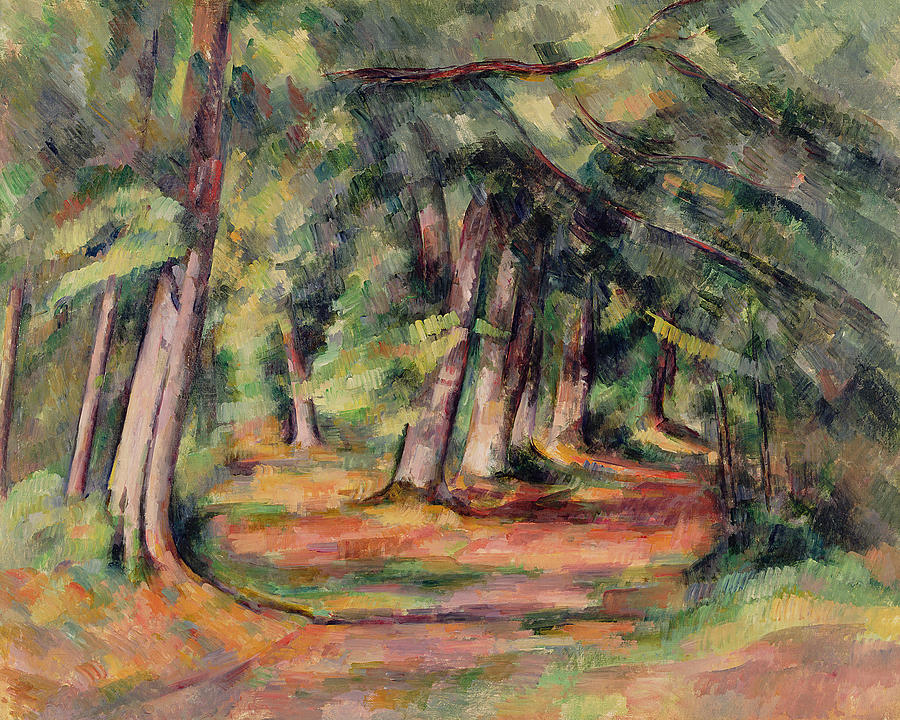
Heroic Doubt: Cezanne and The Modern Eye
Open any general survey of the art of the twentieth century and you’ll find him right there at the beginning. The Jesse at the root of the modernist tree, it all comes back to Cezanne. Without him there's no cubism, there's no fauvism, then there's no expressionism or futurism. For Picasso, Cezanne was a “mother hovering over” his work, for Matisse he was “father to us all”. Having been posthumously made both matriarch and patriarch of all modern art, it has become hard to understand Cezanne in his own terms, to strip away the retrospective epitaphs and mythos in order to discover the old man in the big Provencal house who painted only for himself. The Cezanne of those hesitant, sketchy, sun baked landscapes and quietly rotting still lives, so unassuming, yet so revolutionary.