Review – Walter Sickert at Tate Britain: Smoke and Mirrors
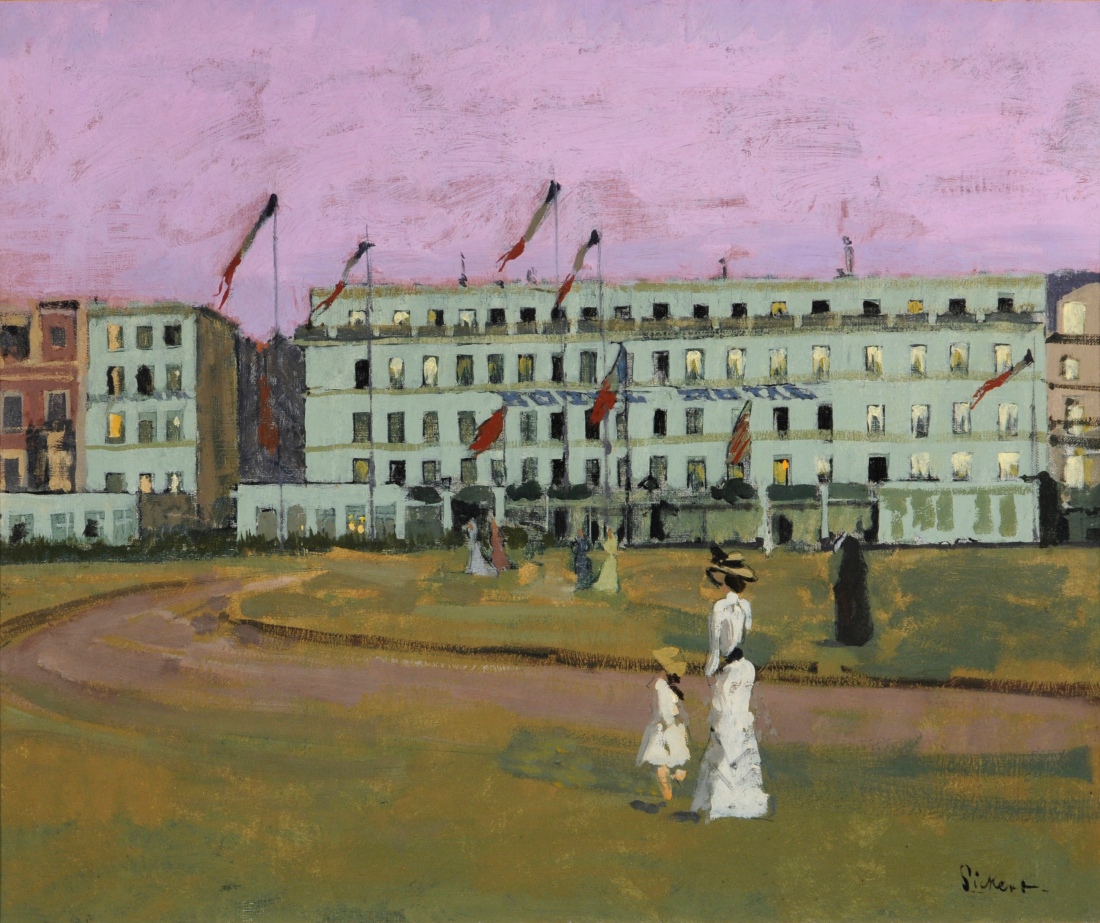
★★★★☆: "Walter Sickert is probably one of the most exciting, idiosyncratic, maligned, misunderstood, and captivating artists that Britain has ever produced. His long life and career was made up of ambiguity and contradiction. A British artist born in Germany and trained by American and French painters, an aspiring actor who turned to painting as an alternative medium to tell his stories, and a man who revelled in changing the identities and titles of both himself and his works. The smoke and mirrors that surround his life are probably what led the crime-writer Patricia Cornwell to write an allegedly ‘non-fiction’ and dubiously researched book in 2002 that presented her case for Sickert being the almost mythical serial killer Jack the Ripper. The current retrospective of his works at Tate Britain (until 18th Sept) is mercifully without such slanderous assumptions and presents Sickert as an innovative and experimental painter with a long and varied career."

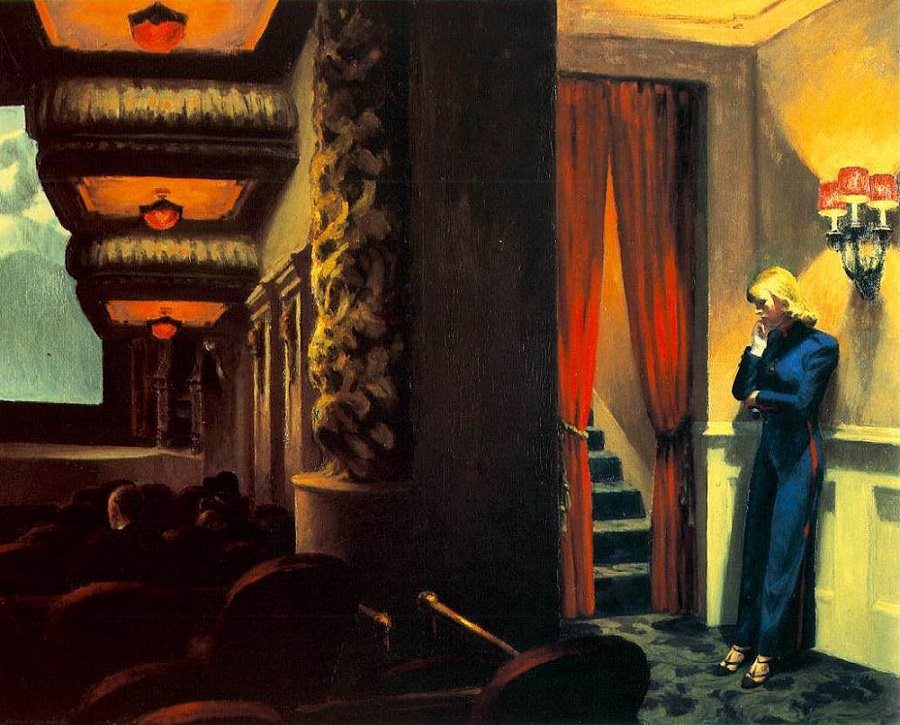
Hopper’s New York Movie: Social History in Paint

...This imagining of a future is where the downtrodden Americans found their escapism, and nowhere can this be more clearly seen than in the increasingly popular and developing world of the American movie – Hopper’s chosen setting for his painting. Just as Clark sees the café-concerts as representative of Parisian society in the 1880s, we can see the cinema as 1930s New York’s equivalent. The anxiety of the period manifested itself in the growing popularity of horror movies in the ‘30s, much like the blood and violence found in the pages of pulp fiction novels. People found a sense of catharsis in stories of people worse off than themselves, as well as a brief distraction from their own misery...

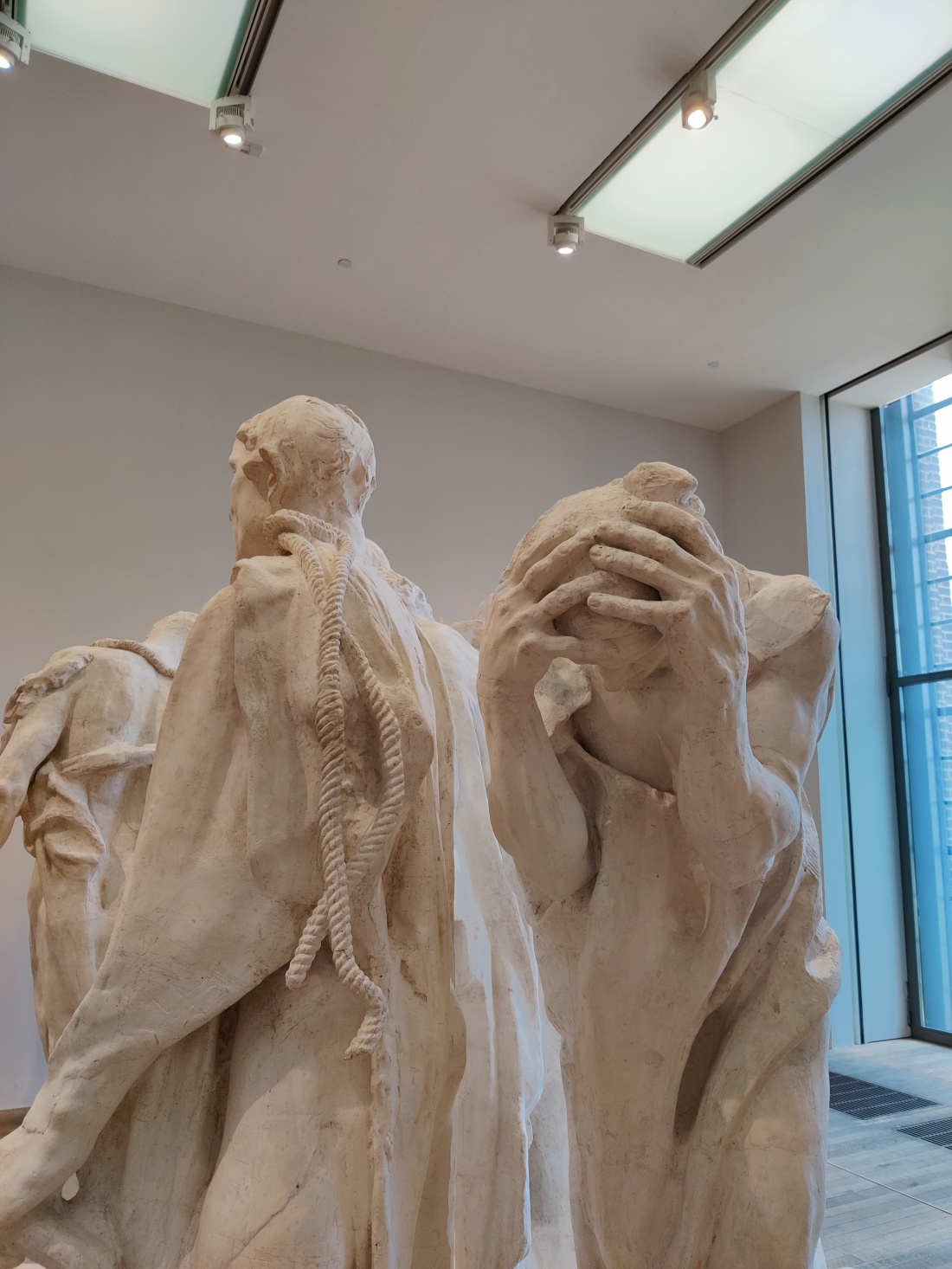
Review: ‘The Making of Rodin’, Tate Modern

★★★☆☆: After more than a year of semi-solitary existence, interspersed with the occasional out-door meeting with select family and friends, the appearance of other people has become increasingly alien. And with the government mandated distance to be maintained at all times, the usual interactions of hands and arms and the close-up reading of each other's faces have become not only a distant memory but even, at times, a life threatening action. And so, it was a delight to find that my first exhibition visit out of the trap after the (hopefully) final lockdown was one filled with such humanity and tactility. 

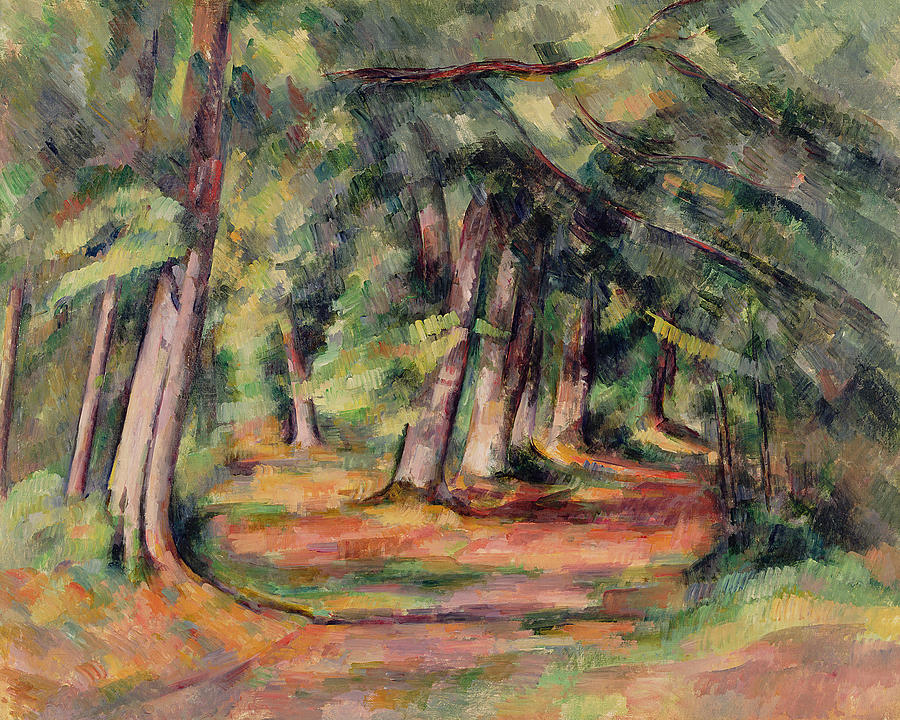
Heroic Doubt: Cezanne and The Modern Eye

Open any general survey of the art of the twentieth century and you’ll find him right there at the beginning. The Jesse at the root of the modernist tree, it all comes back to Cezanne. Without him there's no cubism, there's no fauvism, then there's no expressionism or futurism. For Picasso, Cezanne was a “mother hovering over” his work, for Matisse he was “father to us all”. Having been posthumously made both matriarch and patriarch of all modern art, it has become hard to understand Cezanne in his own terms, to strip away the retrospective epitaphs and mythos in order to discover the old man in the big Provencal house who painted only for himself. The Cezanne of those hesitant, sketchy, sun baked landscapes and quietly rotting still lives, so unassuming, yet so revolutionary.

Ashes to Ashes: Fires, Cathedrals, and Resurrections

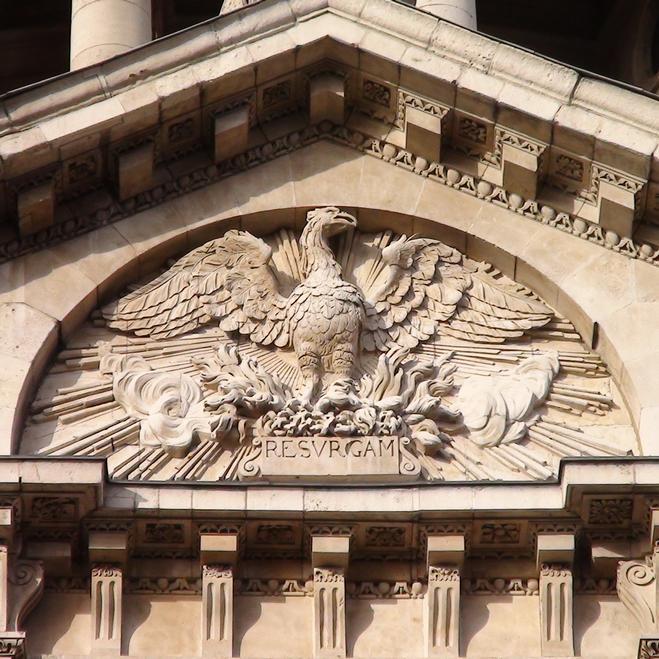
On the 11th June 1144 Abbot Suger of the Abbey of St Denis, Paris, gathered the bishops of France for the dedication of his newly built choir and east end. This marked a sea-change in architecture, gone was the heavy solidarity of the Romanesque and in came the lightness and delicacy of the Gothic. In the years after the meeting of the bishops, many of their home cathedrals would burn down only to rise from the ashes in the new gothic style of Suger’s St Denis.

Nicolas Poussin: The Unresolved Cadence

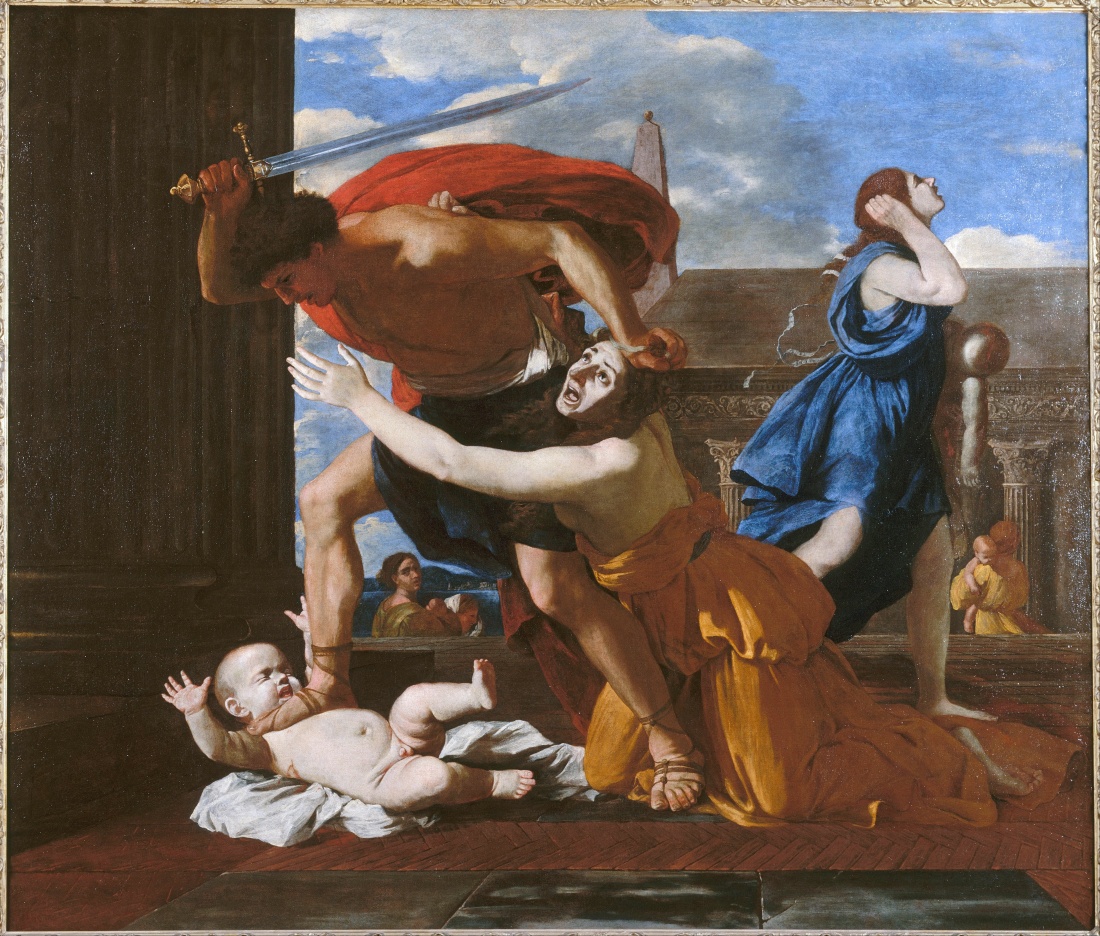
Artists fall in and out of fashion all the time, that is the way of the canon, an artist who has been admired in equal measure from their own time to the present day is a rare thing indeed. Nicolas Poussin (1594 - 1665) is one such artist. Lorded by his contemporary Bernini as the only French artist who who really mattered, he won posthumous favour with both Ingres and Delacroix (possibly the only thing on which those two agreed), as well as Cezanne who said he only truly understood himself after spending time with a Poussin. Even the wunderkind of Modernism, Pablo Picasso, was known to copy Poussin’s works.

The Image of a King: The Wilton Diptych and Richard II

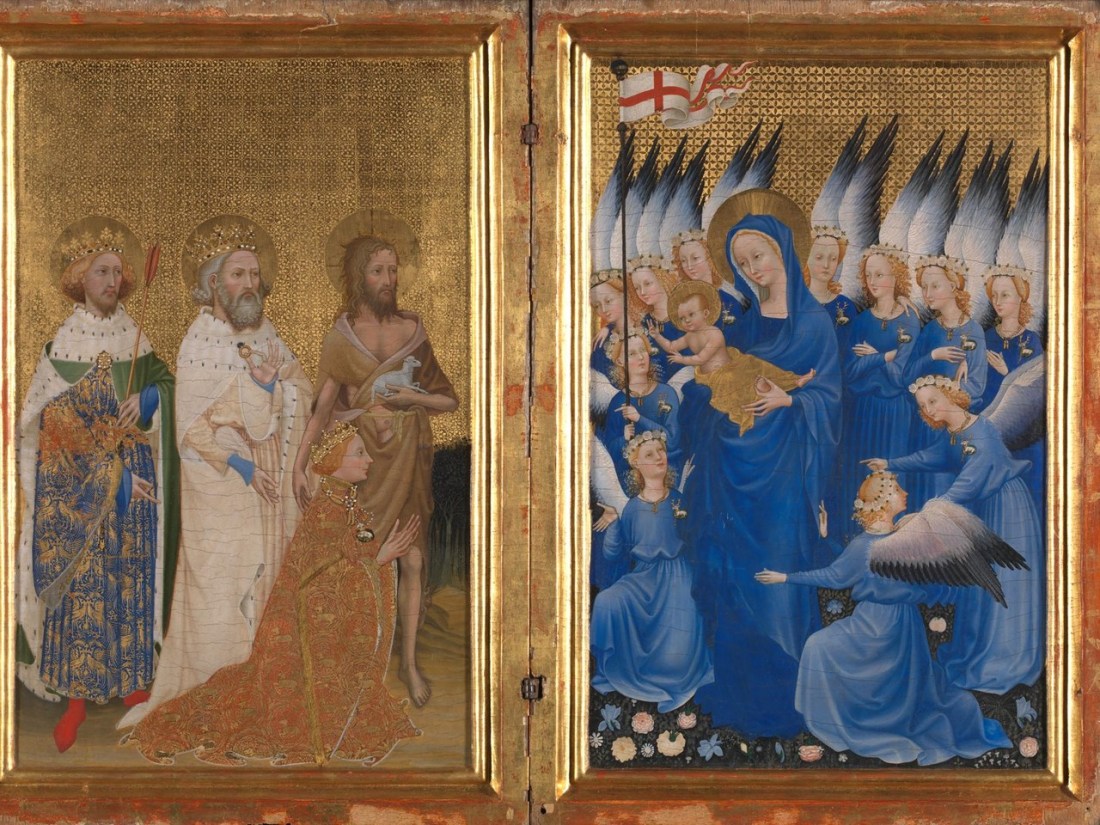
The Wilton Diptych is one of the oldest and most luxurious works in the National Gallery’s collection. This gold covered diptych was made some time between 1395 and 1399 by English or French craftsmen for King Richard II of England, it is laden with symbolic imagery connected with Richard and his divine right to rule, not just in its subject matter but also in the materials and techniques involved in its making.

Review: Picasso on Paper at the Royal Academy.

★★★★☆: Works on paper can often be seen as room-filler when a gallery can’t quite muster enough ‘proper works’, paintings and sculptures, to fill their space. They are normally objects that exist primarily in the realm of art historians, tools for them to unlock the secrets of an artist’s grander works. However, in the eternal struggle to find an original angle on that godfather of modernism, Pablo Picasso, the RA have dedicated an enormous show just for his works on and using paper. 

Review: Gauguin’s Portraits at The National Gallery

★★★☆☆: Gauguin has been out in the cold for a while now. At this juncture in the twenty-first century, to praise a upper-middle class man who abandoned his family of six to become a painter and who proceeded to fetishise the culture of Polynesia to the point of engaging in sexual relations with minors (in western eyes) and fictionalising their society, seems counter to the direction in which the study of art has been moving.