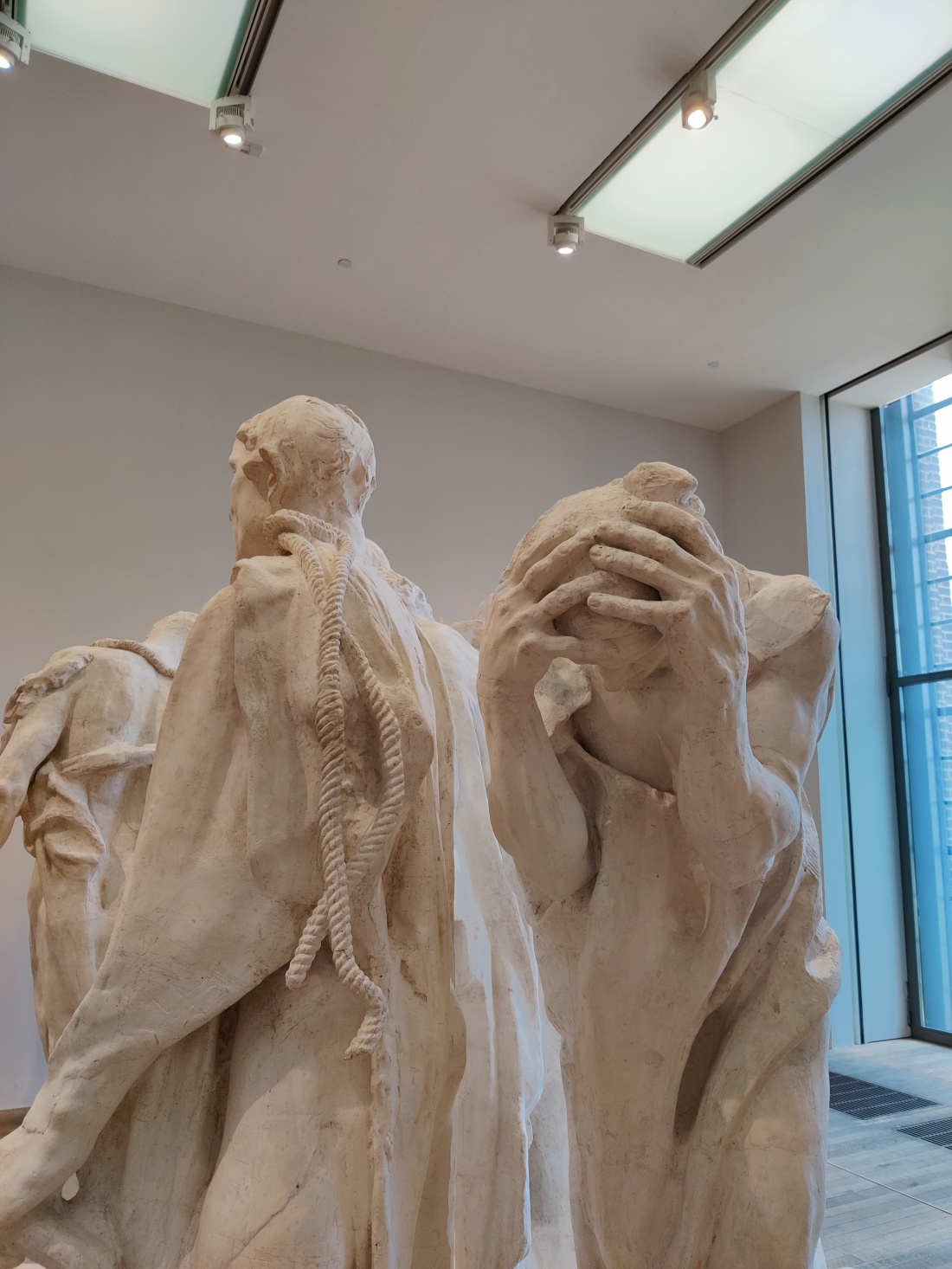
★★★☆☆: After more than a year of semi-solitary existence, interspersed with the occasional out-door meeting with select family and friends, the appearance of other people has become increasingly alien. And with the government mandated distance to be maintained at all times, the usual interactions of hands and arms and the close-up reading of each other's faces have become not only a distant memory but even, at times, a life threatening action. And so, it was a delight to find that my first exhibition visit out of the trap after the (hopefully) final lockdown was one filled with such humanity and tactility.
Tag: Europe
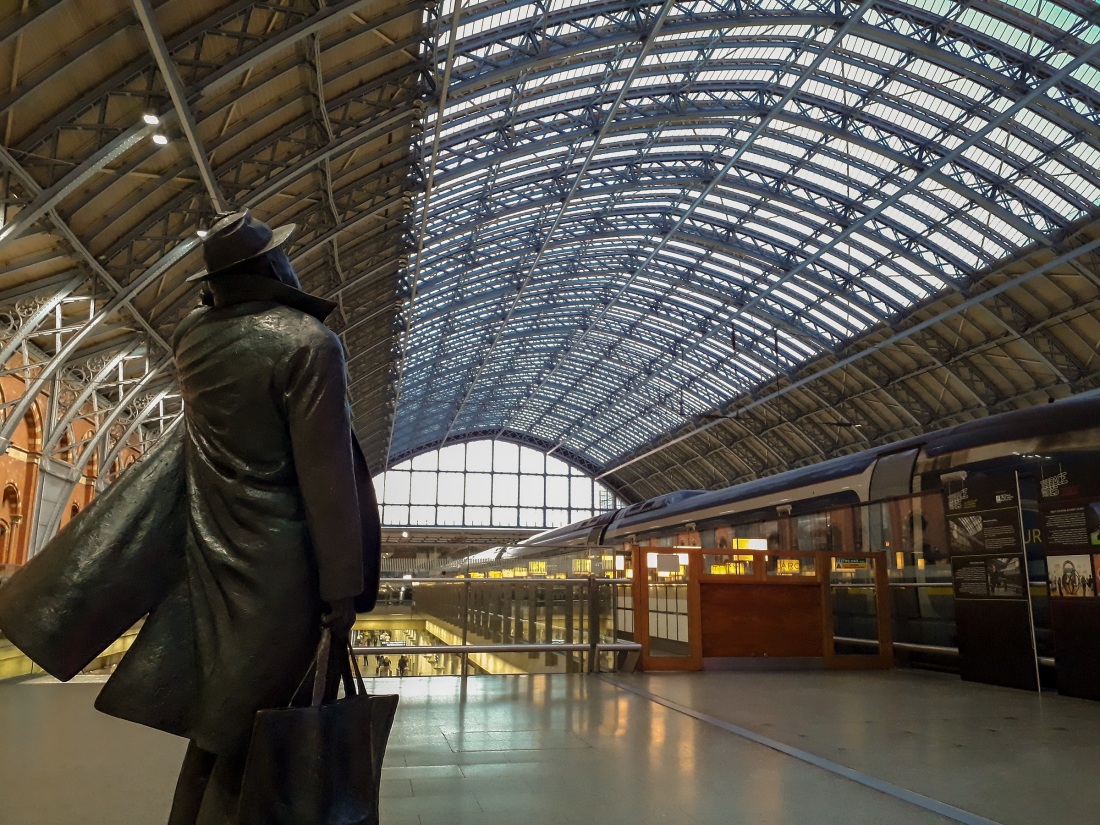
London Stations: Part Two – Marylebone, Victoria, & St Pancras
This is the second instalment of my ongoing survey of London’s major railway stations - their architecture and their spirit. In part one we examined some of the heavy hitters, Paddington, Euston, and Waterloo, but this time we’re starting with one of the smallest and quietest of all London termini.
London Stations: Part One – Paddington, Euston & Waterloo
London has what must be the most varied and exciting set of railways termini of any city in the world, one would expect not less of the capital of the country that gave birth to the modern railway. Thanks to foresighted Victorian planning laws, they all sit in a ring around the centre of London, they make no ugly scars through the urban fabric but rather stand as the old gates of The City used to, each with their own character and each with its own unique purposes. For E.M. Forster each possessed, in its architectural fabric, the latent spirit of those far away destinations to which their rails stretched. 110 years after Forster’s ode to these palaces of arrival and departure, from the age of steam to the age of electric, what spirit, if any, do London’s stations still possess?
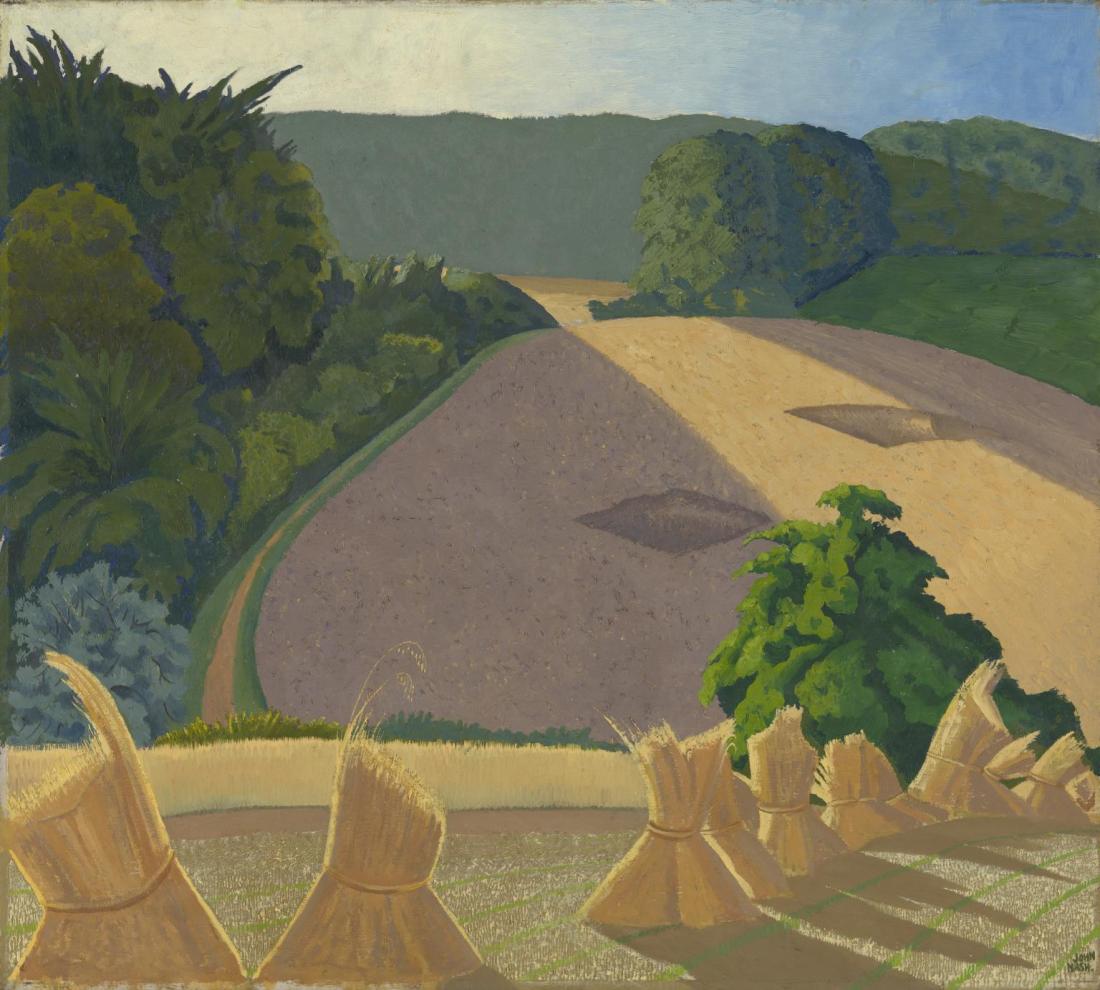
The Nash Brothers: Visions of England
The English have a strong tradition of landscape painting. From Gainsborough, through Turner and Constable, to David Hockney. The English countryside is a subject that has captivated artists and audiences for generations. In a century as calamitous as the twentieth the bucolic landscapes of the past needed rethinking, could a simple field with cows, or a sunset across the hills reflect and redeem an epoch of such dramatic change and flux. In the first half of the century, when the established Victorian order was being shattered, two brothers emerged who would redefine how we saw the English landscape in the modern age.
Ideology & Architecture: Urban Design in the Third Reich
Adolf Hitler’s fascination with architecture, both real and imagined, can be seen in many of the paintings he produced during his formative years surrounded by the imperial majesty of Vienna. It therefore comes as no surprise that the urban design of Germany, and specifically Berlin, was a major concern for him after he seized power in 1933 - and if it was a major concern of the Führer then it became a priority for the Nazi Party as a whole. Under the Nazi government and overseen by Hitler's favoured architect, Albert Speer, the Third Reich embarked on an ambitious building scheme, much of which would never be completed. However what emerged was a standardised style of building that was intended, and in some cases succeeded, to impress and enforce the power and ideology of the evil regime on its people. Both spatial presence and architectural design were utilised to communicate the fundamentals of National Socialism to Germans, Europe, and the World.
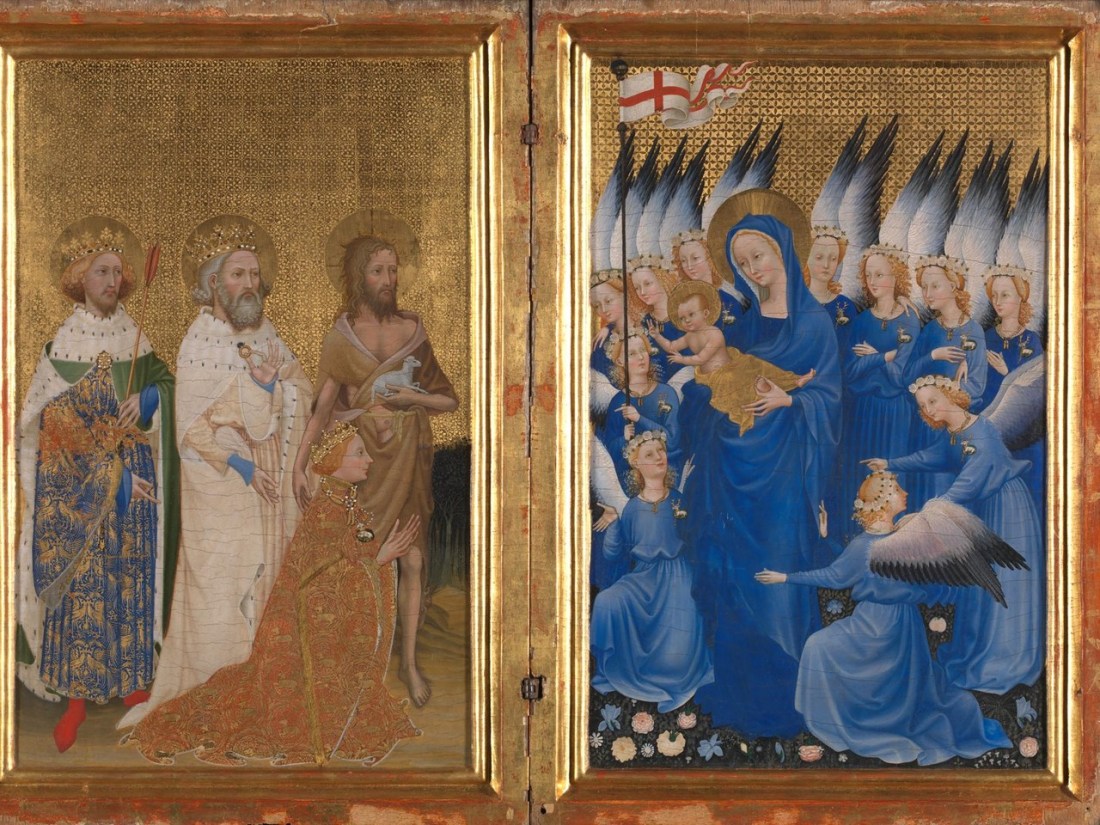
The Image of a King: The Wilton Diptych and Richard II
The Wilton Diptych is one of the oldest and most luxurious works in the National Gallery’s collection. This gold covered diptych was made some time between 1395 and 1399 by English or French craftsmen for King Richard II of England, it is laden with symbolic imagery connected with Richard and his divine right to rule, not just in its subject matter but also in the materials and techniques involved in its making.
The Last Day: The National Gallery on the Eve of Lockdown
The National Gallery has been part of my life for a long time now, from the excitement of boyhood day trips up to London with my father to the hours spent in each room as a student, those grand halls on Trafalgar Square have been a reassuring constant all my life. So, when the Coronavirus outbreak arrived and the lamps went out in cultural institutions all over Europe, it was only a matter of time before Britain's artistic treasure trove was locked away.
Review: Léon Spilliaert at The Royal Academy
★★★★★: Belgium, land of beer, chocolate, charming medieval towns and cosy city breaks. If this is your idea of the diminutive Benelux nation then Léon Spilliaert is here to make you think again. Prepare to be drawn into an intoxicating world of insomniac melancholy that will forever change the way you see the home of Tintin and waffles.
Review: Picasso on Paper at the Royal Academy.
★★★★☆: Works on paper can often be seen as room-filler when a gallery can’t quite muster enough ‘proper works’, paintings and sculptures, to fill their space. They are normally objects that exist primarily in the realm of art historians, tools for them to unlock the secrets of an artist’s grander works. However, in the eternal struggle to find an original angle on that godfather of modernism, Pablo Picasso, the RA have dedicated an enormous show just for his works on and using paper.
Haigh’s Guide to Baroque Architecture in Britain: Part 3.
The final part of the guide, featuring St Paul's Cathedral and Blenheim Palace.