Building Beauty: Christopher Wren in is own words

Sir Christopher Wren casts the longest shadow of all English architects, still reaching into our own times, the 25th of February 2023 marks 300 years since his death. It can sometimes feel like everything built after him is in some way a response to or repudiation of his astonishing legacy of construction. From the Sheldonian Theatre in Oxford, through a diverse set of city churches, military hospitals and college libraries, and on to his undoubted masterwork, St Paul’s Cathedral, Wren’s architectural career was as varied as the styles in which he worked. His habit of dancing between Palladianism, pure classical revival, ornamented Baroque, and even the Gothic vernacular, has left many students of his architecture desperate for a unifying factor, something that can collect each work into a comprehensible retrospective. Instead of adding to the flutter of articles and essays exploring Wren’s buildings that will mark this anniversary, I’m going to explore the fragmentary and limited texts that Wren left behind which may give us a clearer idea of the great man’s own personal explanation of his career.  

A Welshman in Naples: Thomas Jones & the Reason for Art

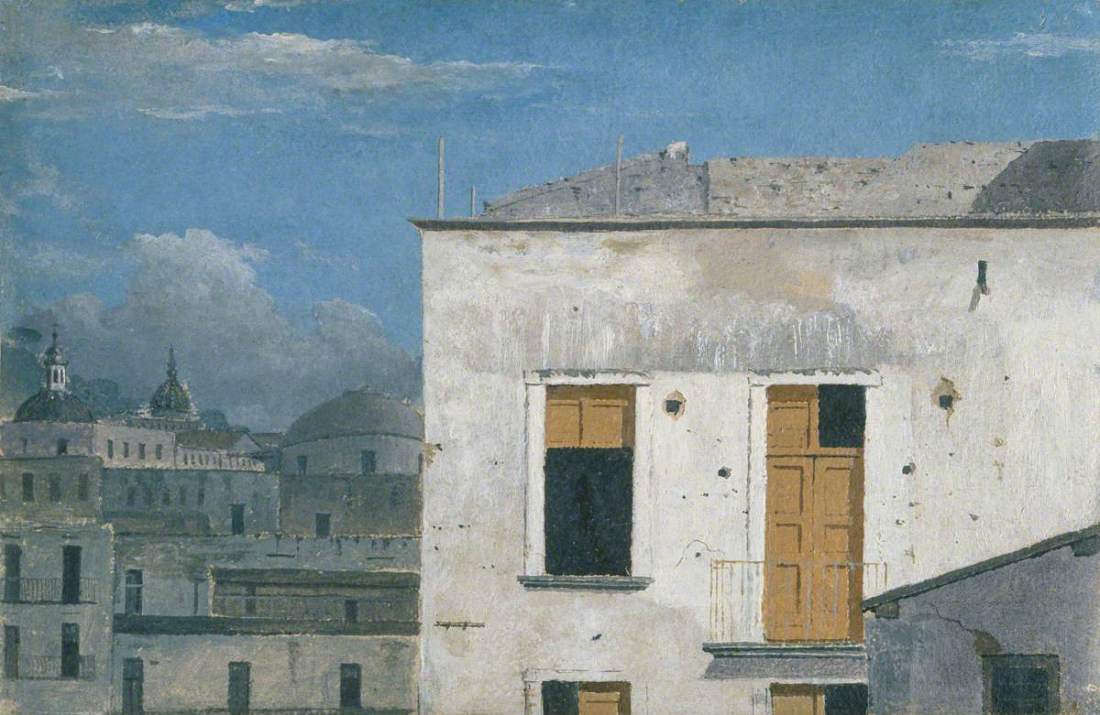
...In 1763 another young Welshman, fresh from abandoning an Oxford degree in Theology, arrived in London to seek tutelage from Wilson. Even today the London-Welsh club together like ex-pats the world over, so it is no surprise that Wilson appears to have warmed to his fellow Welshman immediately and took him on as an apprentice. Thomas Jones (the name is…not unusual), was born in the wilds of Mid Wales in 1742 to a landowner of middling status, by 1765, under the guidance of Wilson, Jones was already exhibiting landscapes in the ‘grand manner’ of Claude and Poussin at the Society of Arts (which three years later would become the famous Royal Academy of Arts).'...

In Barbara Hepworth’s Garden…

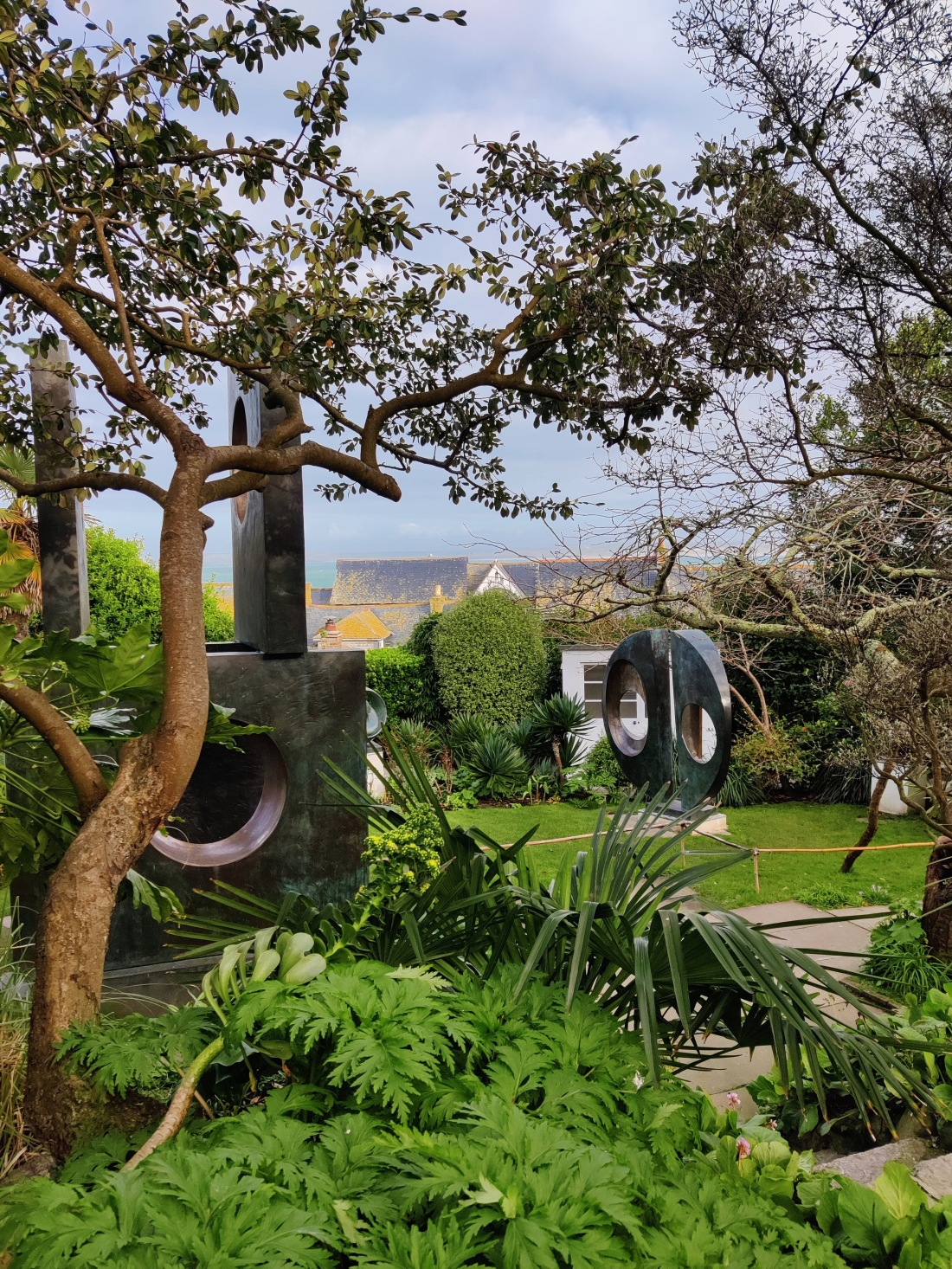
...Hepworth’s life and work is soaked in the genius loci, so it is no surprise that her garden, with its carefully curated selection of her works, is potent with that magical intangible energy. Wondrously, her studio and garden have been preserved as a museum (run by Tate) exactly as they were left in 1975. The plaster and clay splattered overalls still hang on the back of the door, the rows of chisels lie patiently and unstirred, half-finished sculptures litter the workshop, the potted succulents still bask in the greenhouse. The rich green planting of palms, grasses, and ferns remains as laid out by Hepworth and her friend the composer Priaulx Rainier, and nestled amongst the leaves and fronds sit her own selection of her work as if grown there from the soil under her watchful care…I suppose in many ways they were...