A Welshman in Naples: Thomas Jones & the Reason for Art
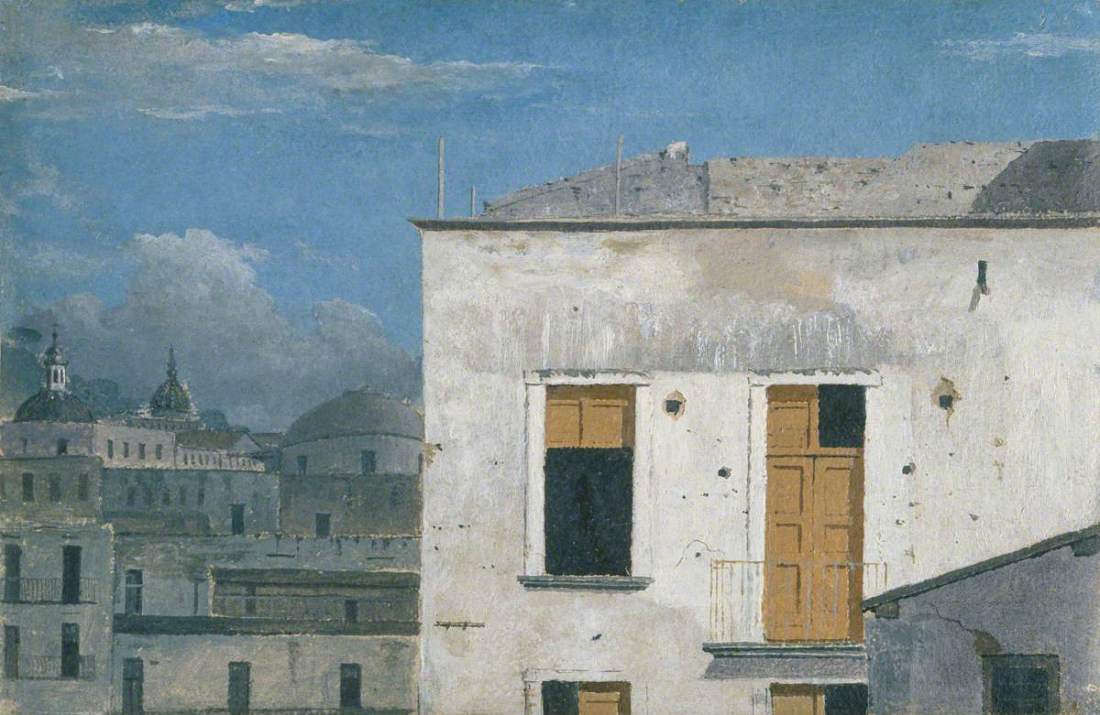
...In 1763 another young Welshman, fresh from abandoning an Oxford degree in Theology, arrived in London to seek tutelage from Wilson. Even today the London-Welsh club together like ex-pats the world over, so it is no surprise that Wilson appears to have warmed to his fellow Welshman immediately and took him on as an apprentice. Thomas Jones (the name is…not unusual), was born in the wilds of Mid Wales in 1742 to a landowner of middling status, by 1765, under the guidance of Wilson, Jones was already exhibiting landscapes in the ‘grand manner’ of Claude and Poussin at the Society of Arts (which three years later would become the famous Royal Academy of Arts).'...

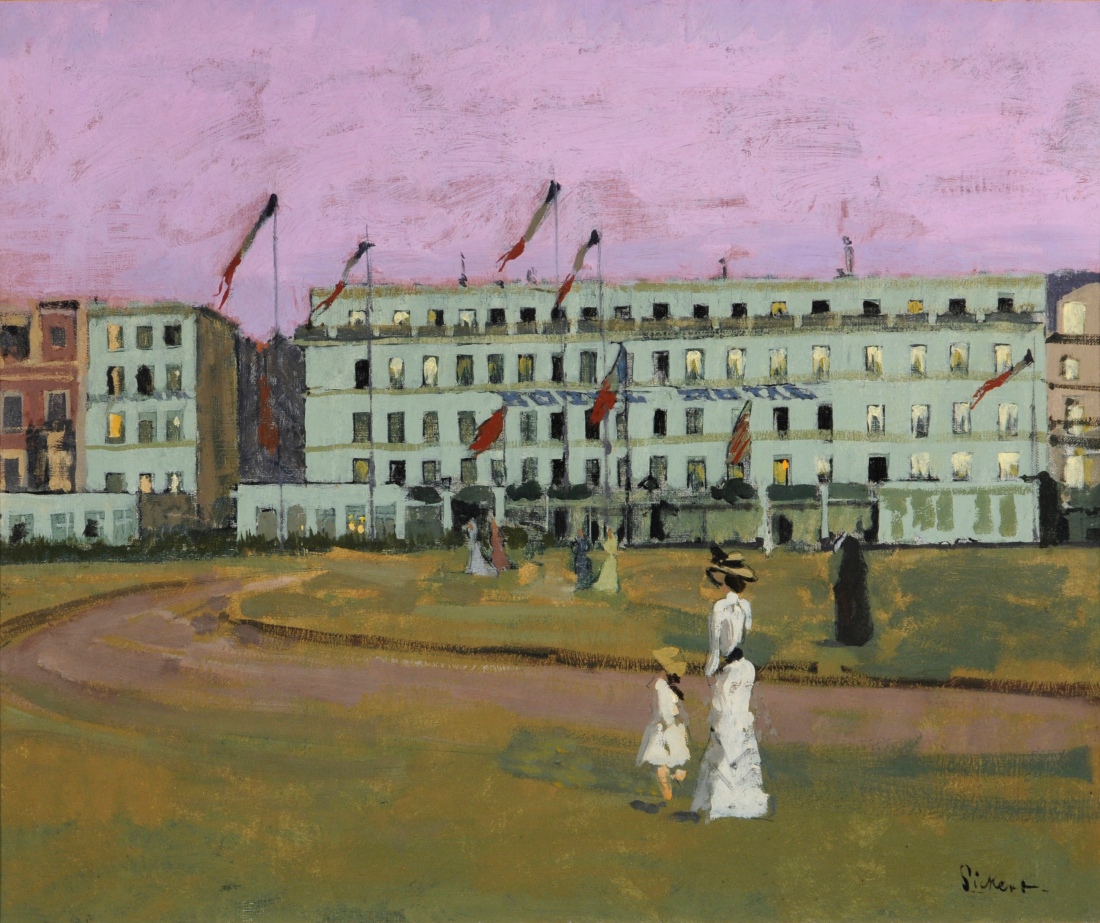
Review – Walter Sickert at Tate Britain: Smoke and Mirrors

★★★★☆: "Walter Sickert is probably one of the most exciting, idiosyncratic, maligned, misunderstood, and captivating artists that Britain has ever produced. His long life and career was made up of ambiguity and contradiction. A British artist born in Germany and trained by American and French painters, an aspiring actor who turned to painting as an alternative medium to tell his stories, and a man who revelled in changing the identities and titles of both himself and his works. The smoke and mirrors that surround his life are probably what led the crime-writer Patricia Cornwell to write an allegedly ‘non-fiction’ and dubiously researched book in 2002 that presented her case for Sickert being the almost mythical serial killer Jack the Ripper. The current retrospective of his works at Tate Britain (until 18th Sept) is mercifully without such slanderous assumptions and presents Sickert as an innovative and experimental painter with a long and varied career."

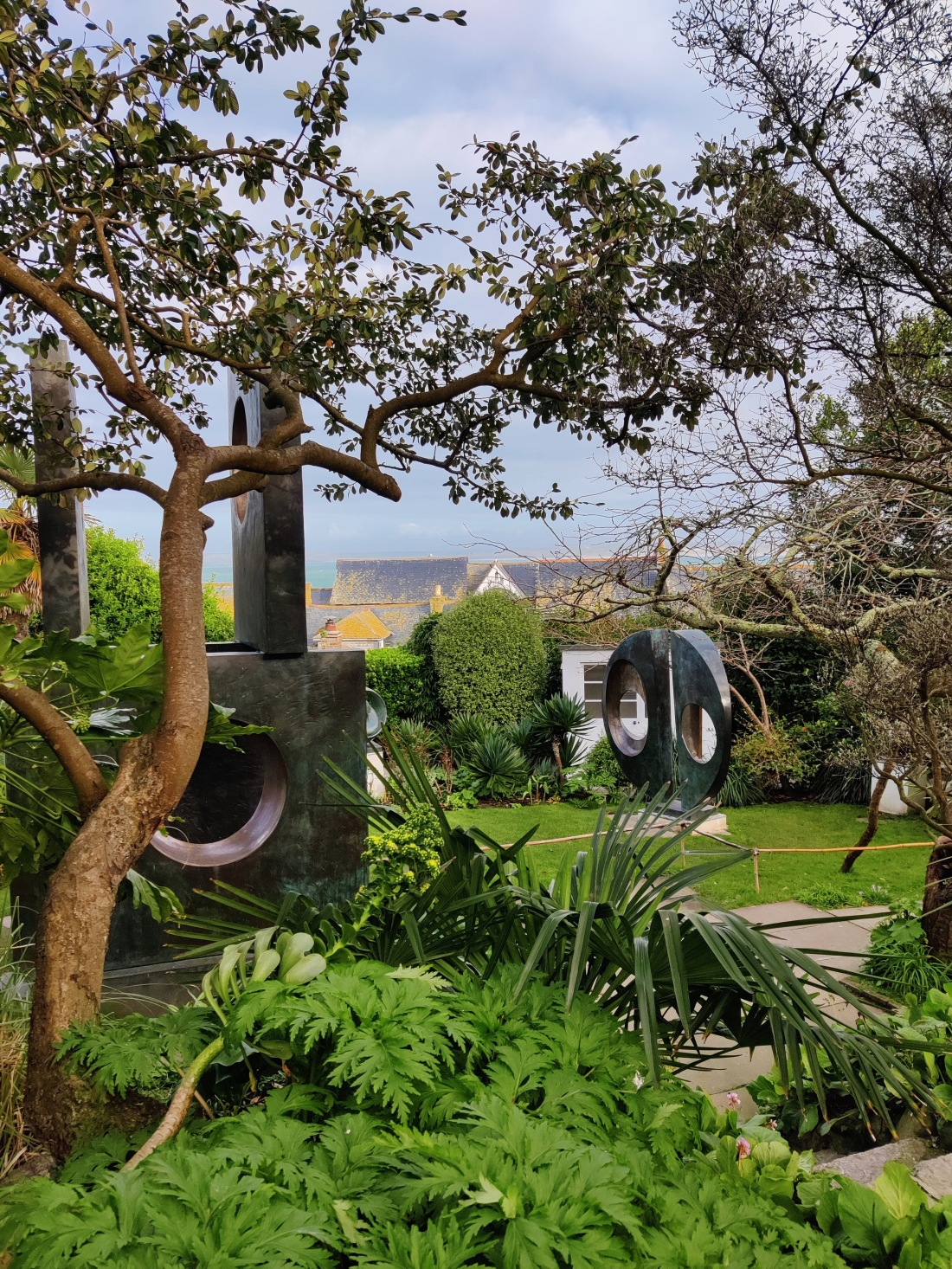
In Barbara Hepworth’s Garden…

...Hepworth’s life and work is soaked in the genius loci, so it is no surprise that her garden, with its carefully curated selection of her works, is potent with that magical intangible energy. Wondrously, her studio and garden have been preserved as a museum (run by Tate) exactly as they were left in 1975. The plaster and clay splattered overalls still hang on the back of the door, the rows of chisels lie patiently and unstirred, half-finished sculptures litter the workshop, the potted succulents still bask in the greenhouse. The rich green planting of palms, grasses, and ferns remains as laid out by Hepworth and her friend the composer Priaulx Rainier, and nestled amongst the leaves and fronds sit her own selection of her work as if grown there from the soil under her watchful care…I suppose in many ways they were...

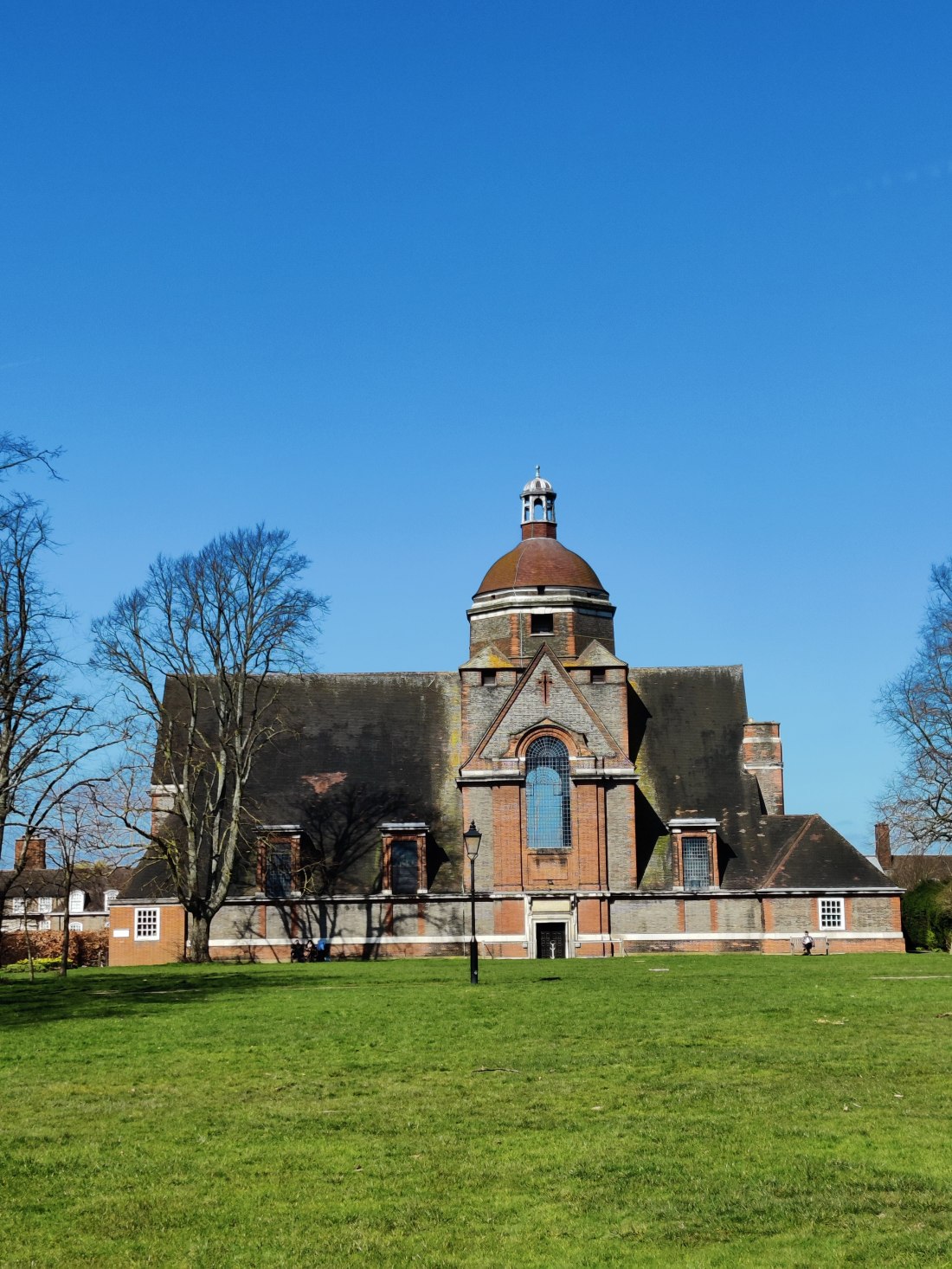
Arcadia Suburbia: The Architecture of Hampstead Garden Suburb

'There are few places within the M25 where something approaching a rural idyll can be found. One such place is Petersham, a hamlet in the water meadows to the south of Richmond. It’s a mixture of vernacular architecture, roads designed for feet and hooves, and birdsong filled hedgerows. Another such place is Hampstead Garden Suburb, but whereas Petersham is the result of the accidents of history HGS is contrived - picturesque to order.'

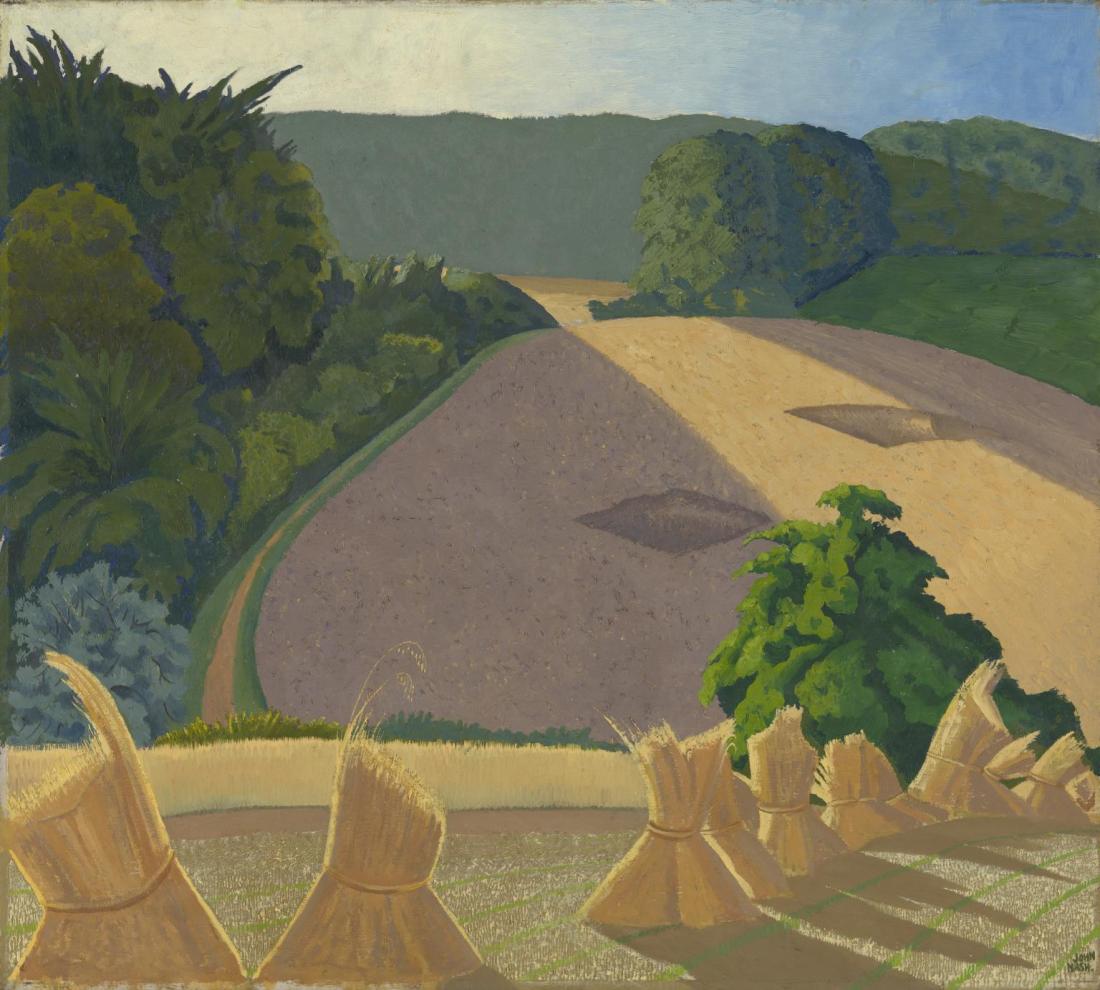
The Nash Brothers: Visions of England

The English have a strong tradition of landscape painting. From Gainsborough, through Turner and Constable, to David Hockney. The English countryside is a subject that has captivated artists and audiences for generations. In a century as calamitous as the twentieth the bucolic landscapes of the past needed rethinking, could a simple field with cows, or a sunset across the hills reflect and redeem an epoch of such dramatic change and flux. In the first half of the century, when the established Victorian order was being shattered, two brothers emerged who would redefine how we saw the English landscape in the modern age.

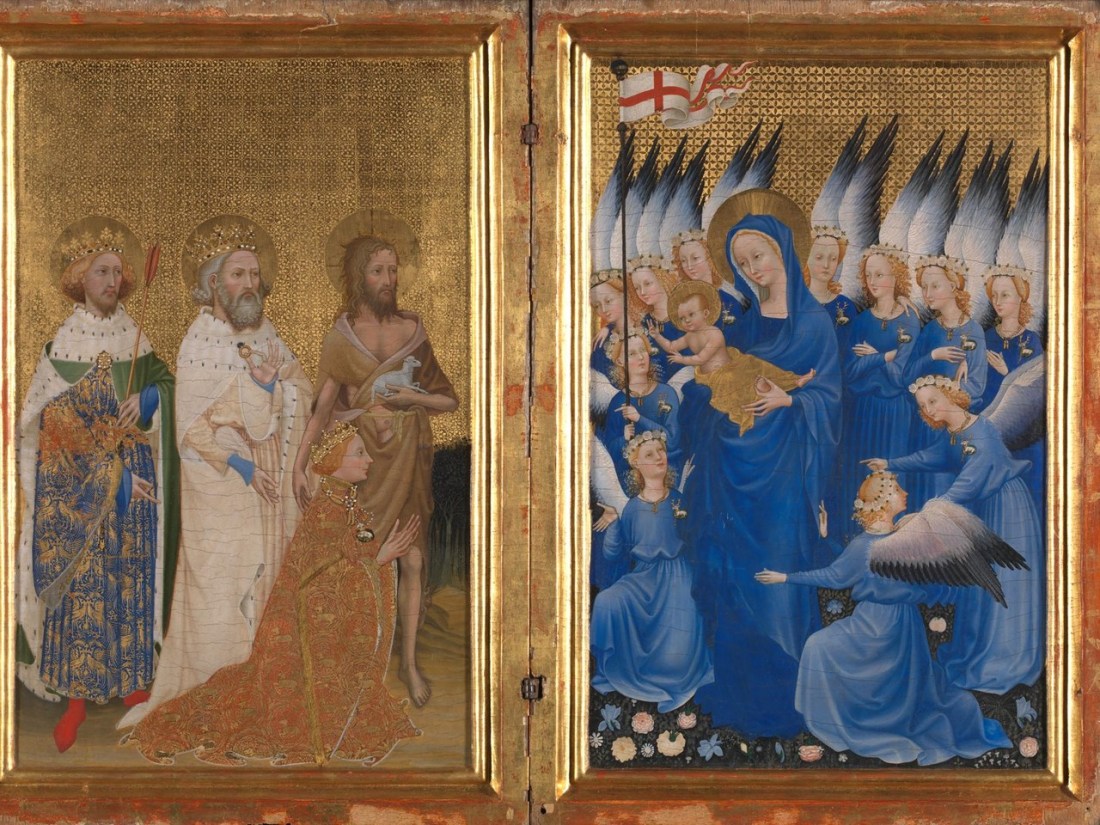
The Image of a King: The Wilton Diptych and Richard II

The Wilton Diptych is one of the oldest and most luxurious works in the National Gallery’s collection. This gold covered diptych was made some time between 1395 and 1399 by English or French craftsmen for King Richard II of England, it is laden with symbolic imagery connected with Richard and his divine right to rule, not just in its subject matter but also in the materials and techniques involved in its making.