Sir Christopher Wren casts the longest shadow of all English architects, still reaching into our own times, the 25th of February 2023 marks 300 years since his death. It can sometimes feel like everything built after him is in some way a response to or repudiation of his astonishing legacy of construction. From the Sheldonian Theatre in Oxford, through a diverse set of city churches, military hospitals and college libraries, and on to his undoubted masterwork, St Paul’s Cathedral, Wren’s architectural career was as varied as the styles in which he worked. His habit of dancing between Palladianism, pure classical revival, ornamented Baroque, and even the Gothic vernacular, has left many students of his architecture desperate for a unifying factor, something that can collect each work into a comprehensible retrospective. Instead of adding to the flutter of articles and essays exploring Wren’s buildings that will mark this anniversary, I’m going to explore the fragmentary and limited texts that Wren left behind which may give us a clearer idea of the great man’s own personal explanation of his career.
Tag: Architecture
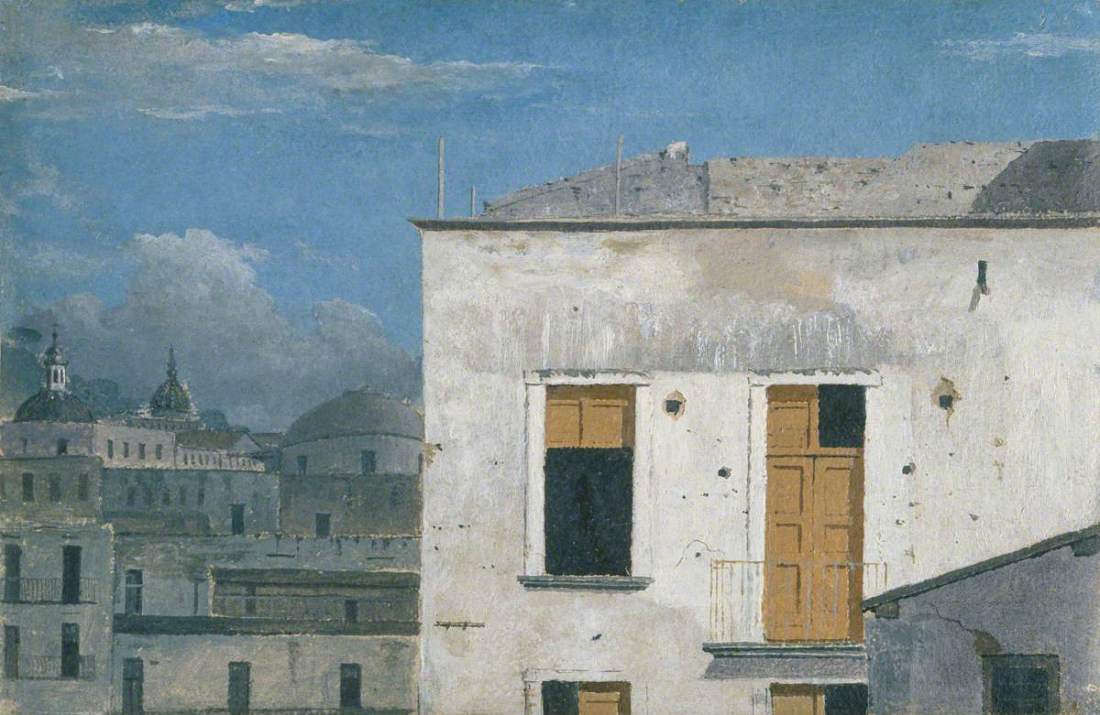
A Welshman in Naples: Thomas Jones & the Reason for Art
...In 1763 another young Welshman, fresh from abandoning an Oxford degree in Theology, arrived in London to seek tutelage from Wilson. Even today the London-Welsh club together like ex-pats the world over, so it is no surprise that Wilson appears to have warmed to his fellow Welshman immediately and took him on as an apprentice. Thomas Jones (the name is…not unusual), was born in the wilds of Mid Wales in 1742 to a landowner of middling status, by 1765, under the guidance of Wilson, Jones was already exhibiting landscapes in the ‘grand manner’ of Claude and Poussin at the Society of Arts (which three years later would become the famous Royal Academy of Arts).'...
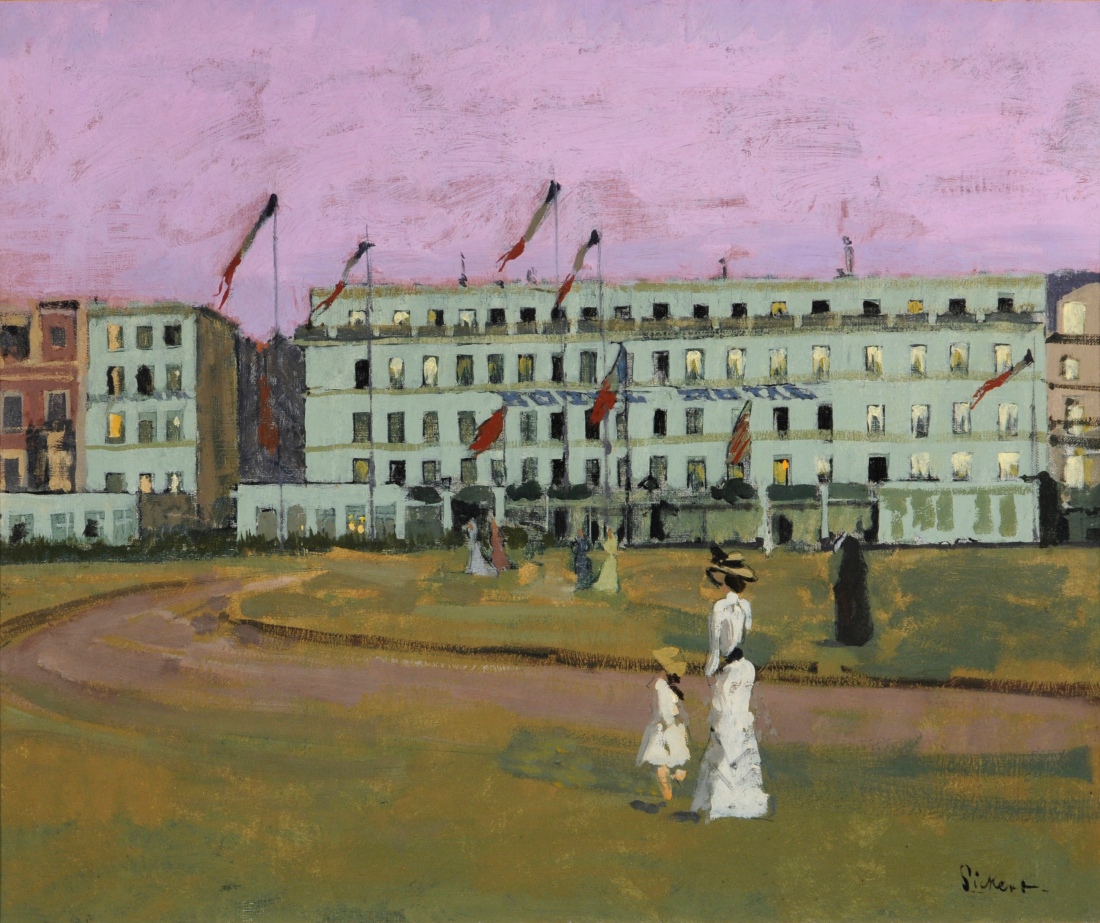
Review – Walter Sickert at Tate Britain: Smoke and Mirrors
★★★★☆: "Walter Sickert is probably one of the most exciting, idiosyncratic, maligned, misunderstood, and captivating artists that Britain has ever produced. His long life and career was made up of ambiguity and contradiction. A British artist born in Germany and trained by American and French painters, an aspiring actor who turned to painting as an alternative medium to tell his stories, and a man who revelled in changing the identities and titles of both himself and his works. The smoke and mirrors that surround his life are probably what led the crime-writer Patricia Cornwell to write an allegedly ‘non-fiction’ and dubiously researched book in 2002 that presented her case for Sickert being the almost mythical serial killer Jack the Ripper. The current retrospective of his works at Tate Britain (until 18th Sept) is mercifully without such slanderous assumptions and presents Sickert as an innovative and experimental painter with a long and varied career."
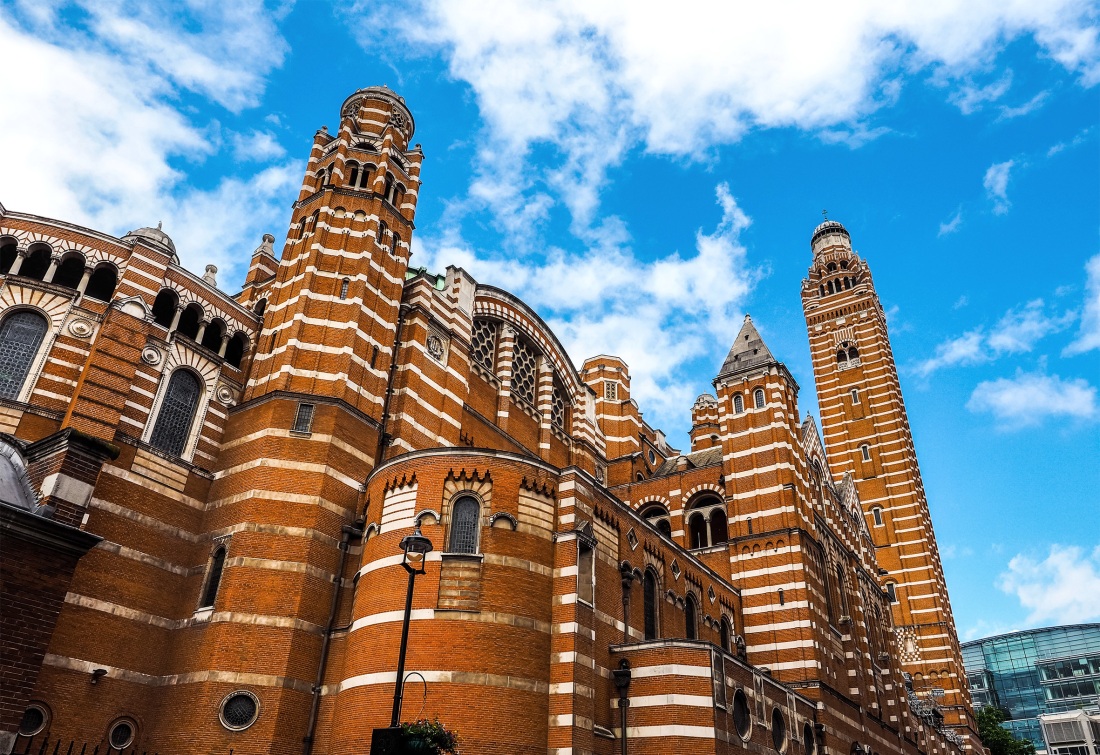
The Forgotten Cathedral: Byzantium comes to Westminster
"To paraphrase John Lennon, Westminster Cathedral isn't the most famous church in the world, it's not even the most famous church in Westminster. While millions of tourists a year flood through the ticket office of Westminster Abbey, keying numbers in the inexplicably sicky audio guides and gawping through the railings at ancient Kings and Queens, only five minutes down the road stands a neighbour who is seldom included on a pre-planned itinerary. Westminster Cathedral is halfway between Victoria Station and Parliament Square but it might as well be halfway between Venice and Istanbul."
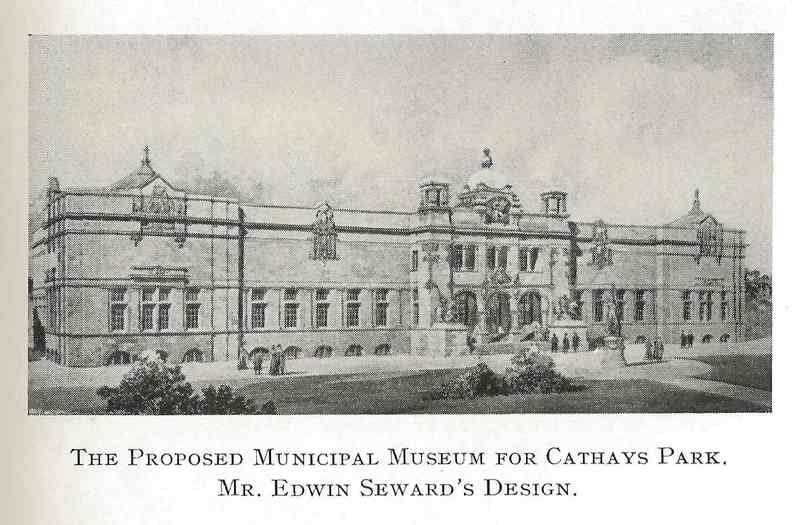
Edwin Seward: The Man Who Built Cardiff
Occasionally an architectural style can be so dominant in a city that it becomes a kind of local vernacular. Bath is given its identity by the Regency Neoclassical, Bristol has its own variation on the Byzantine, Oxford is high-gothic and Coventry is mid-century modern. York is known by its warren of medieval streets and Aberdeen has its own particular granite solidity. Amongst all these, Cardiff, capital of Wales, must be the city of mongrel architecture, an architecture of eclecticism that takes from all styles and sources to make something utterly original, and it would seem this can be traced back to one man, Edwin Seward.
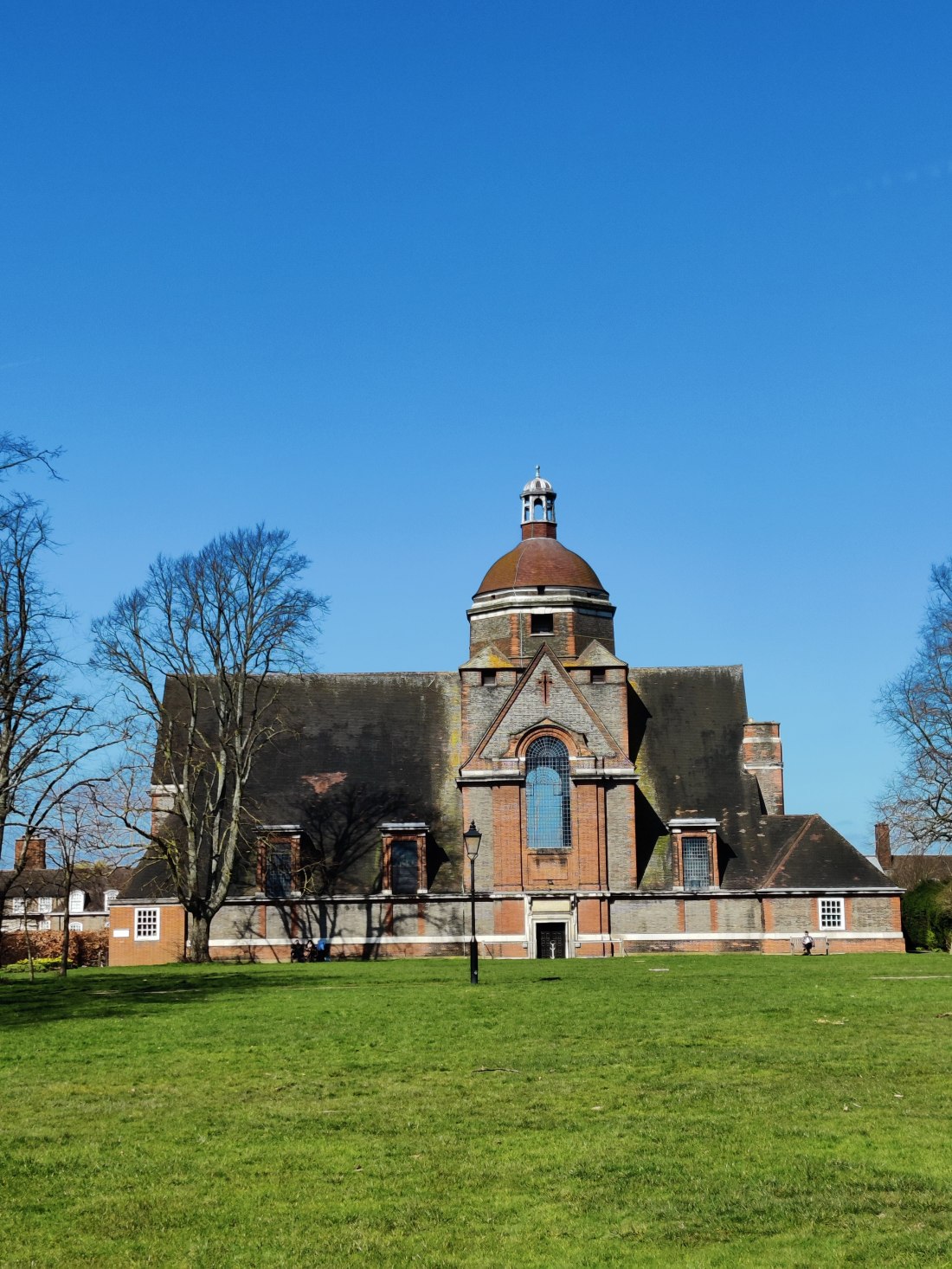
Arcadia Suburbia: The Architecture of Hampstead Garden Suburb
'There are few places within the M25 where something approaching a rural idyll can be found. One such place is Petersham, a hamlet in the water meadows to the south of Richmond. It’s a mixture of vernacular architecture, roads designed for feet and hooves, and birdsong filled hedgerows. Another such place is Hampstead Garden Suburb, but whereas Petersham is the result of the accidents of history HGS is contrived - picturesque to order.'
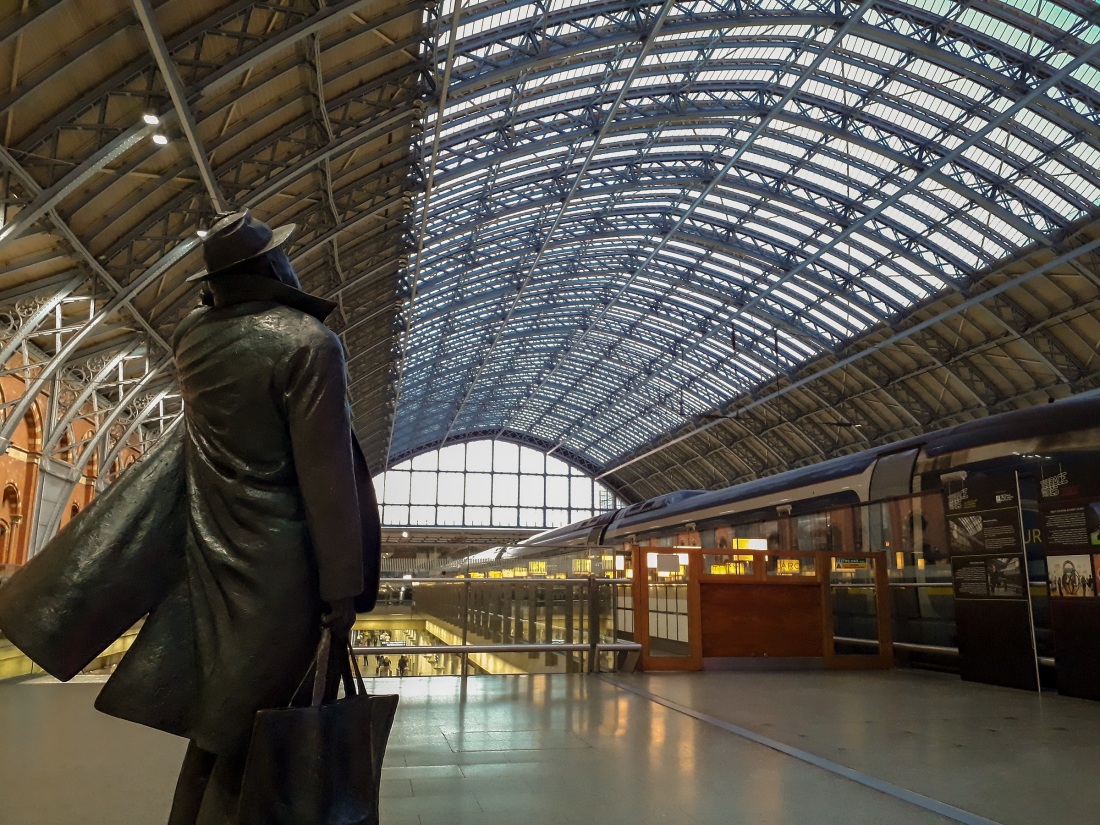
London Stations: Part Two – Marylebone, Victoria, & St Pancras
This is the second instalment of my ongoing survey of London’s major railway stations - their architecture and their spirit. In part one we examined some of the heavy hitters, Paddington, Euston, and Waterloo, but this time we’re starting with one of the smallest and quietest of all London termini.
London Stations: Part One – Paddington, Euston & Waterloo
London has what must be the most varied and exciting set of railways termini of any city in the world, one would expect not less of the capital of the country that gave birth to the modern railway. Thanks to foresighted Victorian planning laws, they all sit in a ring around the centre of London, they make no ugly scars through the urban fabric but rather stand as the old gates of The City used to, each with their own character and each with its own unique purposes. For E.M. Forster each possessed, in its architectural fabric, the latent spirit of those far away destinations to which their rails stretched. 110 years after Forster’s ode to these palaces of arrival and departure, from the age of steam to the age of electric, what spirit, if any, do London’s stations still possess?
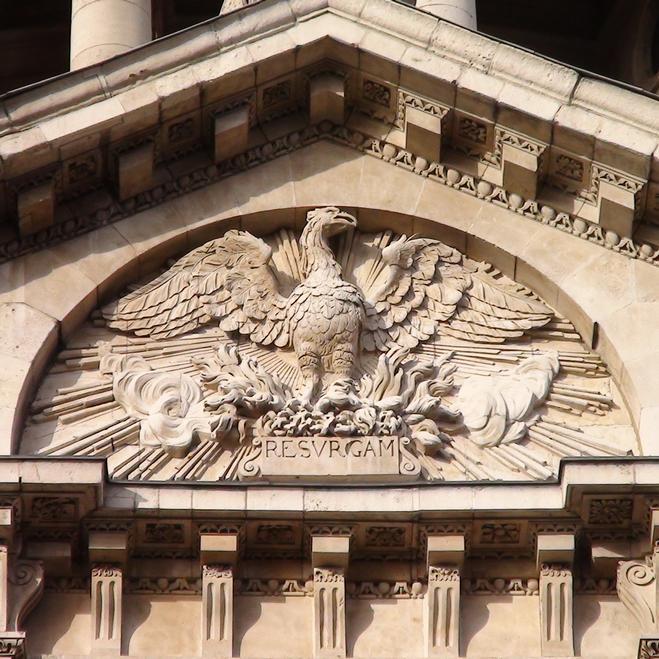
Ashes to Ashes: Fires, Cathedrals, and Resurrections
On the 11th June 1144 Abbot Suger of the Abbey of St Denis, Paris, gathered the bishops of France for the dedication of his newly built choir and east end. This marked a sea-change in architecture, gone was the heavy solidarity of the Romanesque and in came the lightness and delicacy of the Gothic. In the years after the meeting of the bishops, many of their home cathedrals would burn down only to rise from the ashes in the new gothic style of Suger’s St Denis.
Ideology & Architecture: Urban Design in the Third Reich
Adolf Hitler’s fascination with architecture, both real and imagined, can be seen in many of the paintings he produced during his formative years surrounded by the imperial majesty of Vienna. It therefore comes as no surprise that the urban design of Germany, and specifically Berlin, was a major concern for him after he seized power in 1933 - and if it was a major concern of the Führer then it became a priority for the Nazi Party as a whole. Under the Nazi government and overseen by Hitler's favoured architect, Albert Speer, the Third Reich embarked on an ambitious building scheme, much of which would never be completed. However what emerged was a standardised style of building that was intended, and in some cases succeeded, to impress and enforce the power and ideology of the evil regime on its people. Both spatial presence and architectural design were utilised to communicate the fundamentals of National Socialism to Germans, Europe, and the World.