Building Beauty: Christopher Wren in is own words

Sir Christopher Wren casts the longest shadow of all English architects, still reaching into our own times, the 25th of February 2023 marks 300 years since his death. It can sometimes feel like everything built after him is in some way a response to or repudiation of his astonishing legacy of construction. From the Sheldonian Theatre in Oxford, through a diverse set of city churches, military hospitals and college libraries, and on to his undoubted masterwork, St Paul’s Cathedral, Wren’s architectural career was as varied as the styles in which he worked. His habit of dancing between Palladianism, pure classical revival, ornamented Baroque, and even the Gothic vernacular, has left many students of his architecture desperate for a unifying factor, something that can collect each work into a comprehensible retrospective. Instead of adding to the flutter of articles and essays exploring Wren’s buildings that will mark this anniversary, I’m going to explore the fragmentary and limited texts that Wren left behind which may give us a clearer idea of the great man’s own personal explanation of his career.  

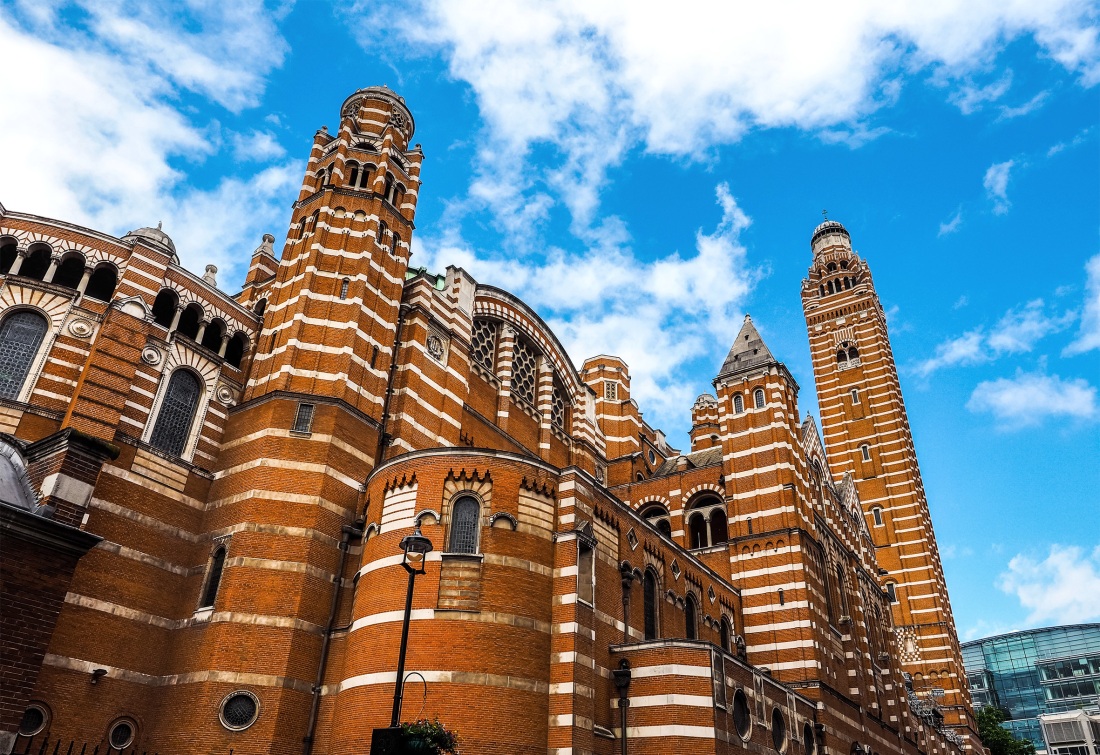
The Forgotten Cathedral: Byzantium comes to Westminster

"To paraphrase John Lennon, Westminster Cathedral isn't the most famous church in the world, it's not even the most famous church in Westminster. While millions of tourists a year flood through the ticket office of Westminster Abbey, keying numbers in the inexplicably sicky audio guides and gawping through the railings at ancient Kings and Queens, only five minutes down the road stands a neighbour who is seldom included on a pre-planned itinerary. Westminster Cathedral is halfway between Victoria Station and Parliament Square but it might as well be halfway between Venice and Istanbul."

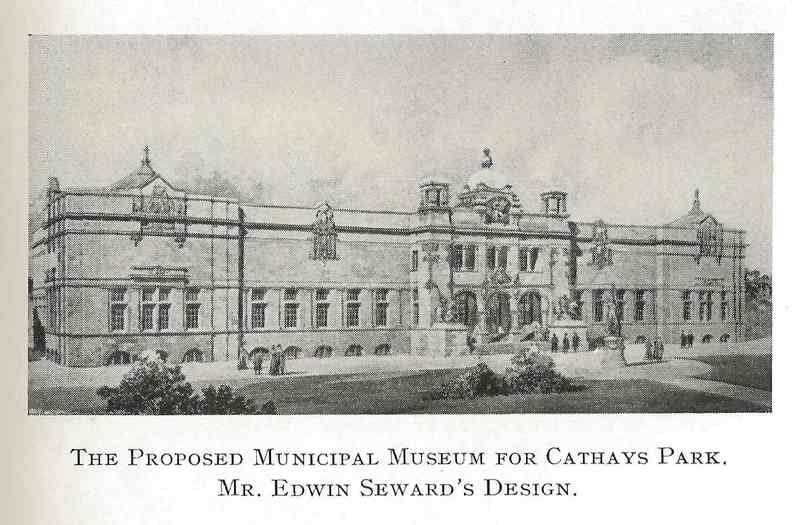
Edwin Seward: The Man Who Built Cardiff

Occasionally an architectural style can be so dominant in a city that it becomes a kind of local vernacular. Bath is given its identity by the Regency Neoclassical, Bristol has its own variation on the Byzantine, Oxford is high-gothic and Coventry is mid-century modern. York is known by its warren of medieval streets and Aberdeen has its own particular granite solidity. Amongst all these, Cardiff, capital of Wales, must be the city of mongrel architecture, an architecture of eclecticism that takes from all styles and sources to make something utterly original, and it would seem this can be traced back to one man, Edwin Seward. 

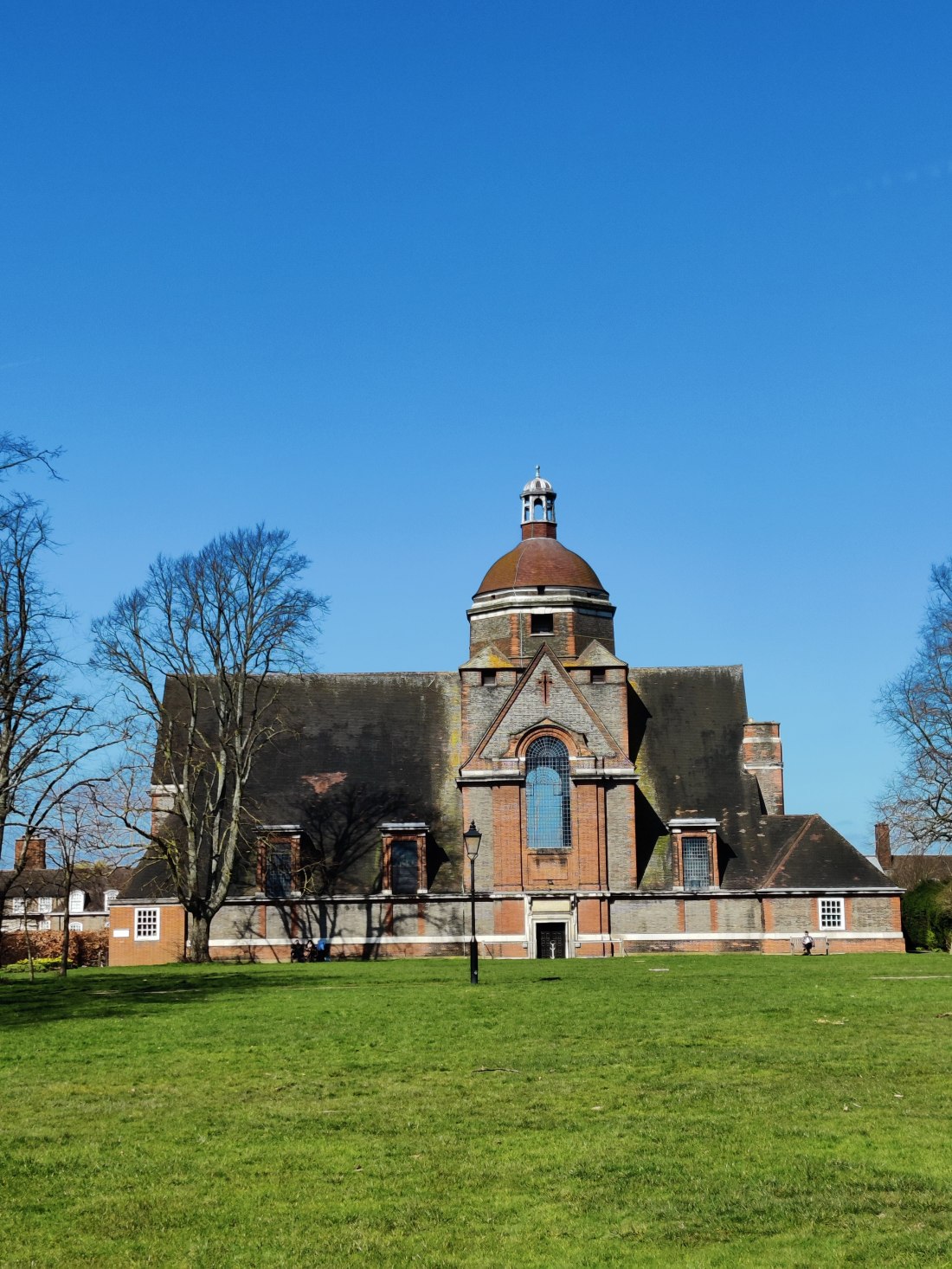
Arcadia Suburbia: The Architecture of Hampstead Garden Suburb

'There are few places within the M25 where something approaching a rural idyll can be found. One such place is Petersham, a hamlet in the water meadows to the south of Richmond. It’s a mixture of vernacular architecture, roads designed for feet and hooves, and birdsong filled hedgerows. Another such place is Hampstead Garden Suburb, but whereas Petersham is the result of the accidents of history HGS is contrived - picturesque to order.'