The Turner Prize: An Obituary

Reports of the Turner Prize’s longevity are greatly exaggerated. The fatal blow to Britain’s previously vaunted, and often controversial, contemporary art medal came in 2019 when the four nominees demanded to be recognised as an impromptu ‘collective’ and thus all claim the prize money as a group. Provocative gestures have been the bread and butter of the Turner since its inception in 1984, however, this ‘collective’ decision came in for much criticism as it rather defeated the point of the award and its enormous prize pool. The function of the prize is not only to highlight interesting and innovative artists at work in the UK but also to grant the winner a windfall of money with which to support their future career. In short, it is a prize for a breakthrough artist, an opportunity for their contribution to the culture of these islands to be brought to the wider attention of the public and a showing of criticism and debate in the arts. There being one winner is an important element of the exercise, it demonstrates that not all art is born equal.

Art in the Time of Coronavirus

...In the face of a cacophony of disaster, works of art can have an appealing quality - they are their own contained universes, created from, but often unaffected by, our own. The finite edges of a painting, the constancy of a sculpture, or the familiar reproduction of symphonic notes, offer a fixed point against which to observe and contextualise our own moment of flux...

London Stations: Part One – Paddington, Euston & Waterloo

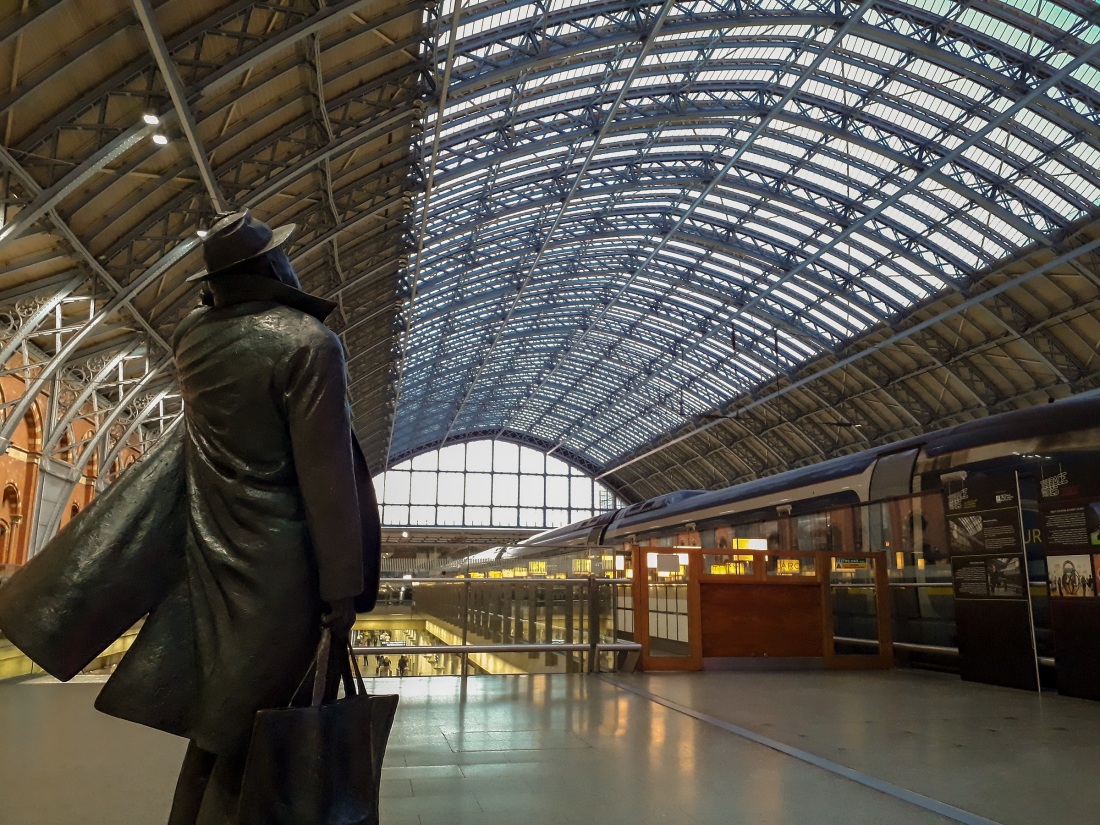
London has what must be the most varied and exciting set of railways termini of any city in the world, one would expect not less of the capital of the country that gave birth to the modern railway. Thanks to foresighted Victorian planning laws, they all sit in a ring around the centre of London, they make no ugly scars through the urban fabric but rather stand as the old gates of The City used to, each with their own character and each with its own unique purposes. For E.M. Forster each possessed, in its architectural fabric, the latent spirit of those far away destinations to which their rails stretched. 110 years after Forster’s ode to these palaces of arrival and departure, from the age of steam to the age of electric, what spirit, if any, do London’s stations still possess?

Ashes to Ashes: Fires, Cathedrals, and Resurrections

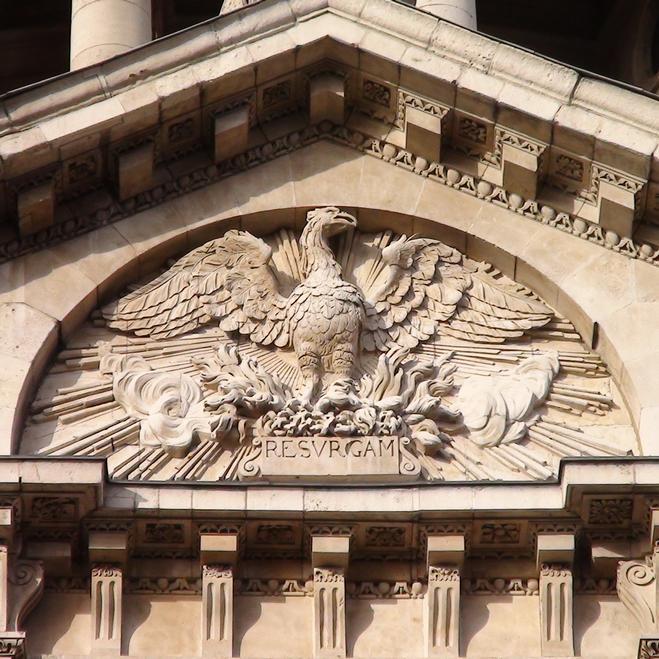
On the 11th June 1144 Abbot Suger of the Abbey of St Denis, Paris, gathered the bishops of France for the dedication of his newly built choir and east end. This marked a sea-change in architecture, gone was the heavy solidarity of the Romanesque and in came the lightness and delicacy of the Gothic. In the years after the meeting of the bishops, many of their home cathedrals would burn down only to rise from the ashes in the new gothic style of Suger’s St Denis.