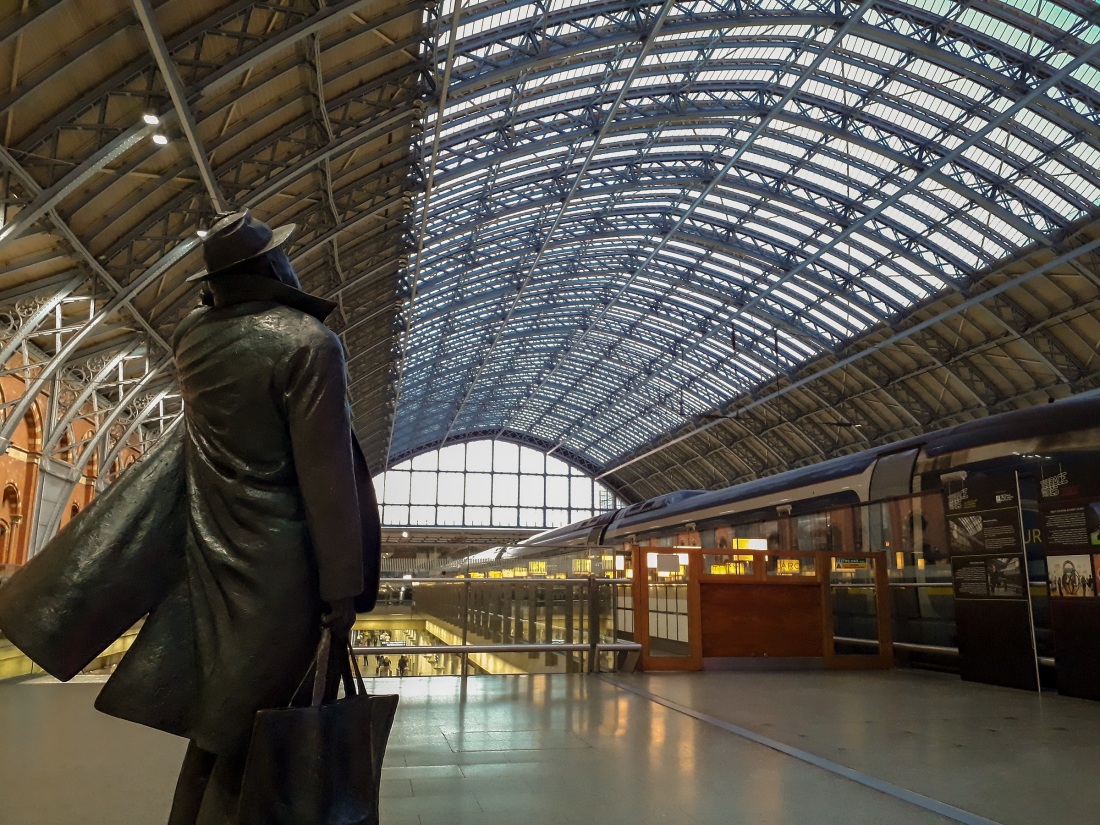
This is the second instalment of my ongoing survey of London’s major railway stations - their architecture and their spirit. In part one we examined some of the heavy hitters, Paddington, Euston, and Waterloo, but this time we’re starting with one of the smallest and quietest of all London termini.
Category: Guide
London Stations: Part One – Paddington, Euston & Waterloo
London has what must be the most varied and exciting set of railways termini of any city in the world, one would expect not less of the capital of the country that gave birth to the modern railway. Thanks to foresighted Victorian planning laws, they all sit in a ring around the centre of London, they make no ugly scars through the urban fabric but rather stand as the old gates of The City used to, each with their own character and each with its own unique purposes. For E.M. Forster each possessed, in its architectural fabric, the latent spirit of those far away destinations to which their rails stretched. 110 years after Forster’s ode to these palaces of arrival and departure, from the age of steam to the age of electric, what spirit, if any, do London’s stations still possess?

Haigh’s Guide to Baroque Architecture in Britain: Part 3.
The final part of the guide, featuring St Paul's Cathedral and Blenheim Palace.
Haigh’s Guide to Baroque Architecture in Britain: Part 2.
Part 2 of the guide, featuring Greenwich and works of the English baroque in Oxford
Haigh’s Guide to Baroque Architecture in Britain: Part 1.
The first part of a guide to the architecture of the Baroque period in Britain including: The Banqueting Hall, City Churches, and Royal Hospital Chelsea.