Sir Christopher Wren casts the longest shadow of all English architects, still reaching into our own times, the 25th of February 2023 marks 300 years since his death. It can sometimes feel like everything built after him is in some way a response to or repudiation of his astonishing legacy of construction. From the Sheldonian Theatre in Oxford, through a diverse set of city churches, military hospitals and college libraries, and on to his undoubted masterwork, St Paul’s Cathedral, Wren’s architectural career was as varied as the styles in which he worked. His habit of dancing between Palladianism, pure classical revival, ornamented Baroque, and even the Gothic vernacular, has left many students of his architecture desperate for a unifying factor, something that can collect each work into a comprehensible retrospective. Instead of adding to the flutter of articles and essays exploring Wren’s buildings that will mark this anniversary, I’m going to explore the fragmentary and limited texts that Wren left behind which may give us a clearer idea of the great man’s own personal explanation of his career.
Category: Article
The Turner Prize: An Obituary
Reports of the Turner Prize’s longevity are greatly exaggerated. The fatal blow to Britain’s previously vaunted, and often controversial, contemporary art medal came in 2019 when the four nominees demanded to be recognised as an impromptu ‘collective’ and thus all claim the prize money as a group. Provocative gestures have been the bread and butter of the Turner since its inception in 1984, however, this ‘collective’ decision came in for much criticism as it rather defeated the point of the award and its enormous prize pool. The function of the prize is not only to highlight interesting and innovative artists at work in the UK but also to grant the winner a windfall of money with which to support their future career. In short, it is a prize for a breakthrough artist, an opportunity for their contribution to the culture of these islands to be brought to the wider attention of the public and a showing of criticism and debate in the arts. There being one winner is an important element of the exercise, it demonstrates that not all art is born equal.
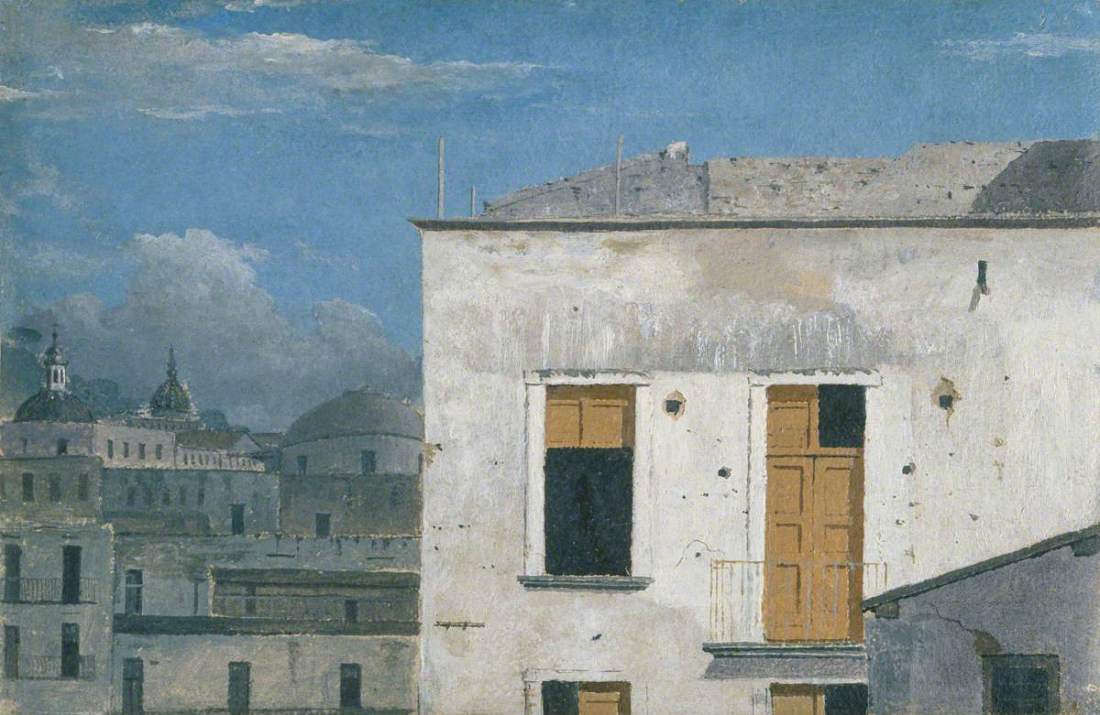
A Welshman in Naples: Thomas Jones & the Reason for Art
...In 1763 another young Welshman, fresh from abandoning an Oxford degree in Theology, arrived in London to seek tutelage from Wilson. Even today the London-Welsh club together like ex-pats the world over, so it is no surprise that Wilson appears to have warmed to his fellow Welshman immediately and took him on as an apprentice. Thomas Jones (the name is…not unusual), was born in the wilds of Mid Wales in 1742 to a landowner of middling status, by 1765, under the guidance of Wilson, Jones was already exhibiting landscapes in the ‘grand manner’ of Claude and Poussin at the Society of Arts (which three years later would become the famous Royal Academy of Arts).'...
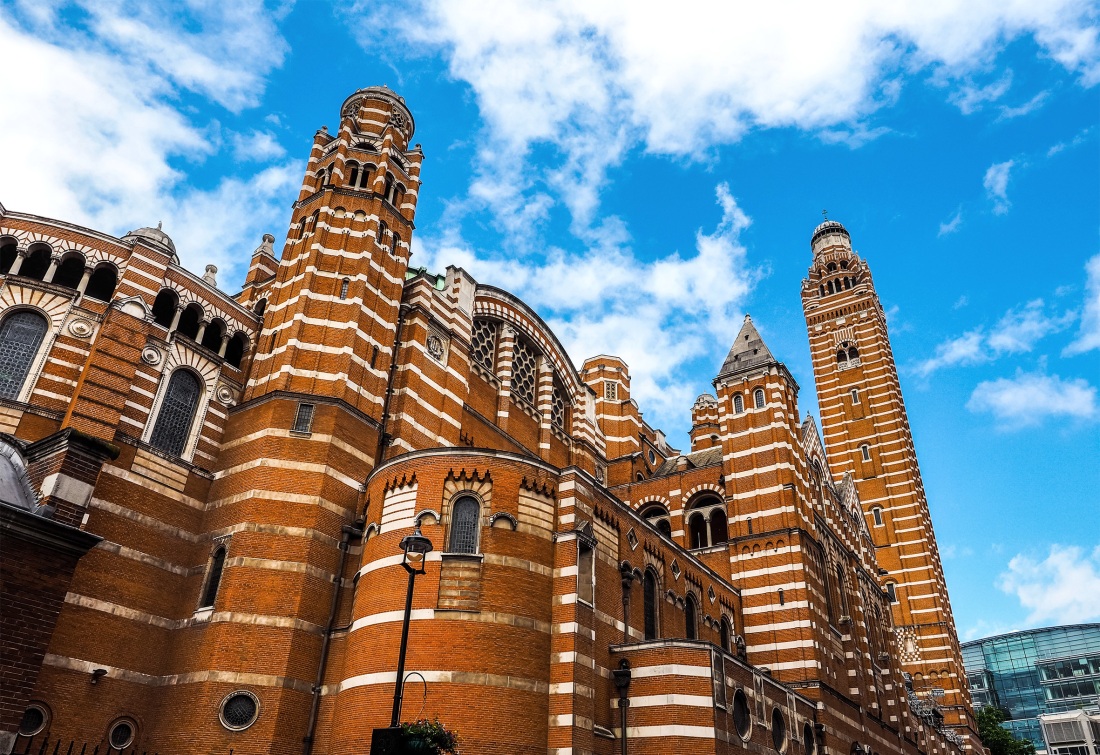
The Forgotten Cathedral: Byzantium comes to Westminster
"To paraphrase John Lennon, Westminster Cathedral isn't the most famous church in the world, it's not even the most famous church in Westminster. While millions of tourists a year flood through the ticket office of Westminster Abbey, keying numbers in the inexplicably sicky audio guides and gawping through the railings at ancient Kings and Queens, only five minutes down the road stands a neighbour who is seldom included on a pre-planned itinerary. Westminster Cathedral is halfway between Victoria Station and Parliament Square but it might as well be halfway between Venice and Istanbul."
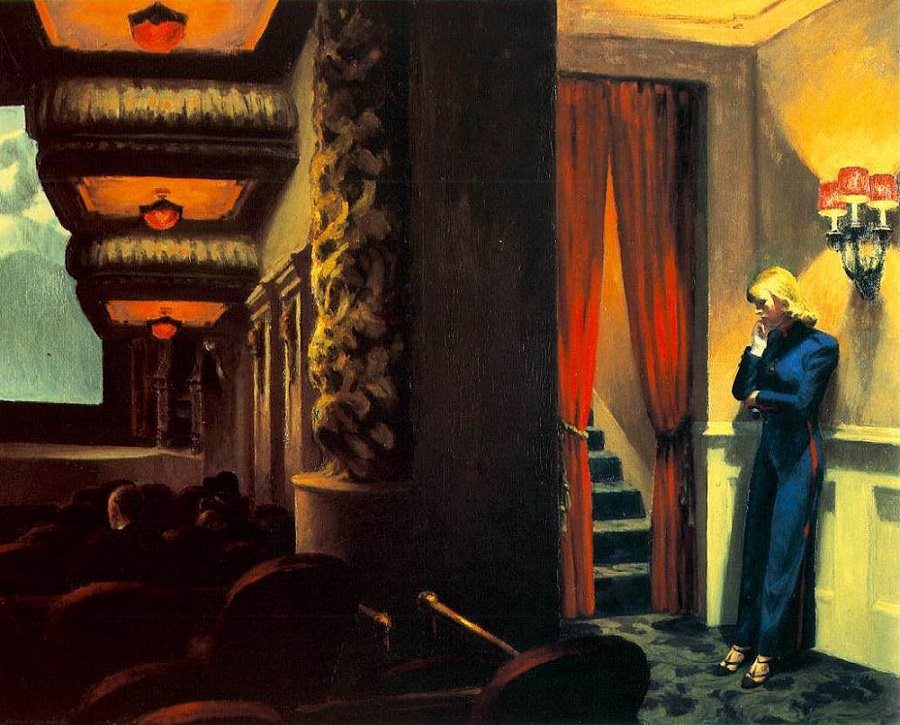
Hopper’s New York Movie: Social History in Paint
...This imagining of a future is where the downtrodden Americans found their escapism, and nowhere can this be more clearly seen than in the increasingly popular and developing world of the American movie – Hopper’s chosen setting for his painting. Just as Clark sees the café-concerts as representative of Parisian society in the 1880s, we can see the cinema as 1930s New York’s equivalent. The anxiety of the period manifested itself in the growing popularity of horror movies in the ‘30s, much like the blood and violence found in the pages of pulp fiction novels. People found a sense of catharsis in stories of people worse off than themselves, as well as a brief distraction from their own misery...
In Barbara Hepworth’s Garden…
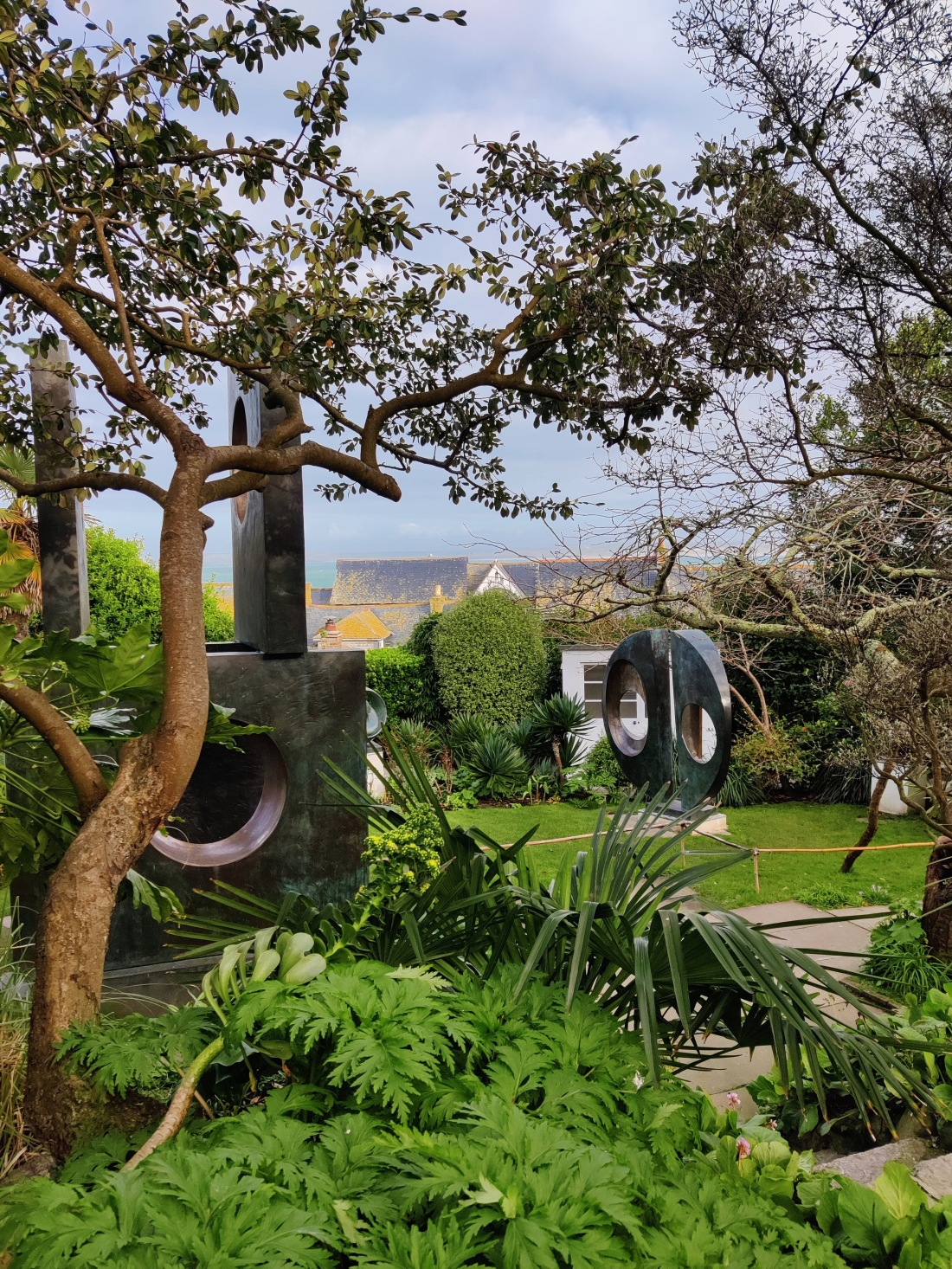
...Hepworth’s life and work is soaked in the genius loci, so it is no surprise that her garden, with its carefully curated selection of her works, is potent with that magical intangible energy. Wondrously, her studio and garden have been preserved as a museum (run by Tate) exactly as they were left in 1975. The plaster and clay splattered overalls still hang on the back of the door, the rows of chisels lie patiently and unstirred, half-finished sculptures litter the workshop, the potted succulents still bask in the greenhouse. The rich green planting of palms, grasses, and ferns remains as laid out by Hepworth and her friend the composer Priaulx Rainier, and nestled amongst the leaves and fronds sit her own selection of her work as if grown there from the soil under her watchful care…I suppose in many ways they were...
A Man of Sorrows: Botticelli under the influence of Savonarola
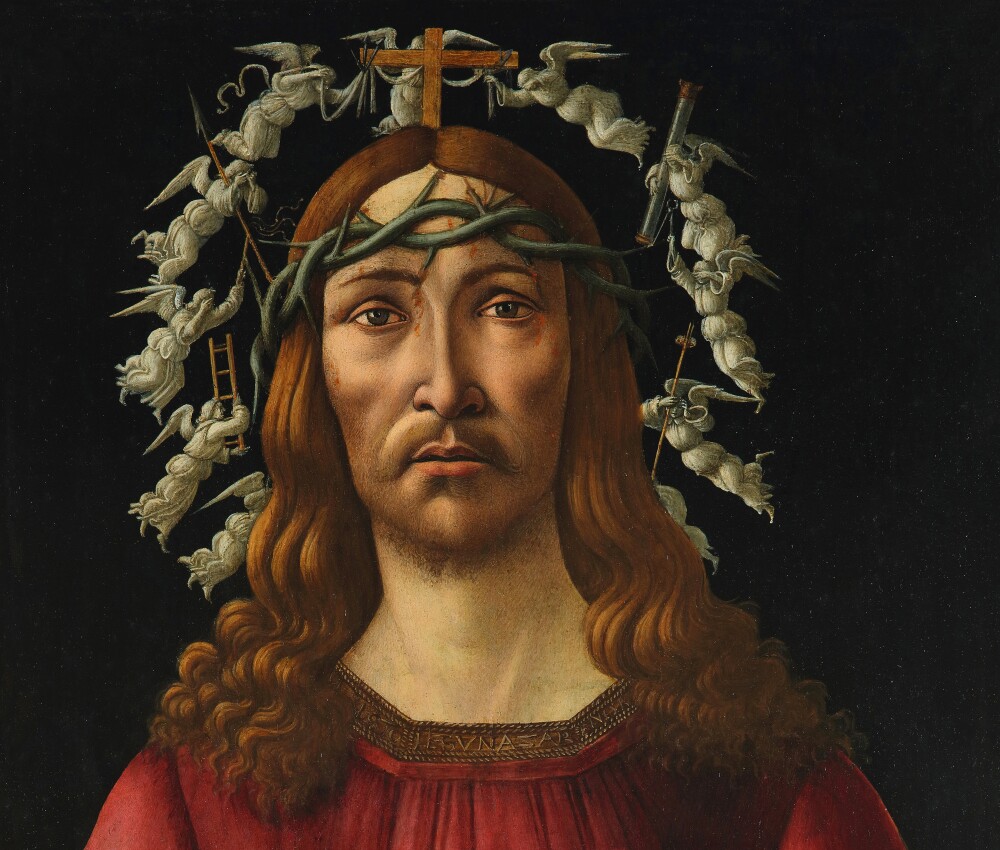
'...That religious seriousness, and slight neuroticism, present in Botticelli’s religious painting made him a prime candidate to fall under the apocalyptic spell of Savonarola. His biographer, Vasari, tells us that Botticelli was so utterly convinced by the rhetoric that he stopped painting altogether and later sources have even put forward that he threw many of his own more pagan paintings onto the great bonfire of the vanities that Savonoarola erected in the Palazzo della Signoria for the destruction of objects of conspicuous wealth; mirrors, jewellery, and any art works of a secular theme...'
Jean-François Millet: the Grandeur of Humility
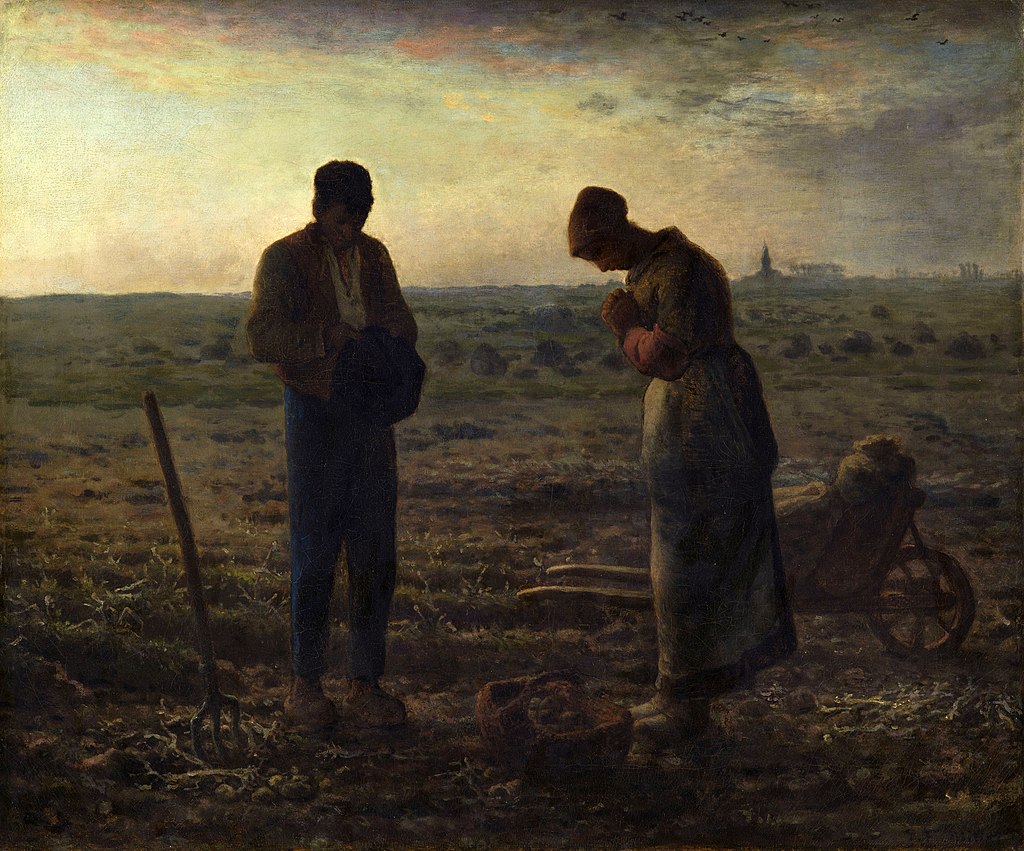
'...Millet’s harvesters, bakers, shepherds, and farmers are massive and tactile in their form, one entirely believes in their existence and their solidity despite their individually so often being absent. His peasants look as if they have climbed down from Michelangelo’s ceiling and got back to the day job...'
Edwin Seward: The Man Who Built Cardiff
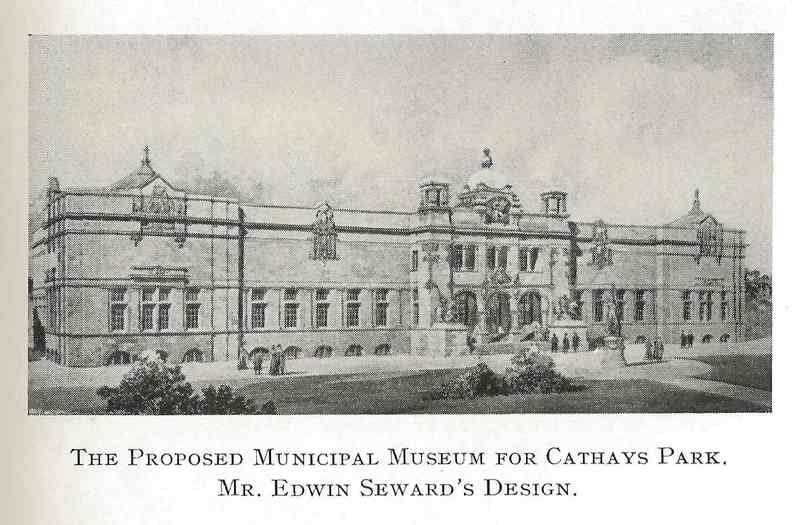
Occasionally an architectural style can be so dominant in a city that it becomes a kind of local vernacular. Bath is given its identity by the Regency Neoclassical, Bristol has its own variation on the Byzantine, Oxford is high-gothic and Coventry is mid-century modern. York is known by its warren of medieval streets and Aberdeen has its own particular granite solidity. Amongst all these, Cardiff, capital of Wales, must be the city of mongrel architecture, an architecture of eclecticism that takes from all styles and sources to make something utterly original, and it would seem this can be traced back to one man, Edwin Seward.
Arcadia Suburbia: The Architecture of Hampstead Garden Suburb
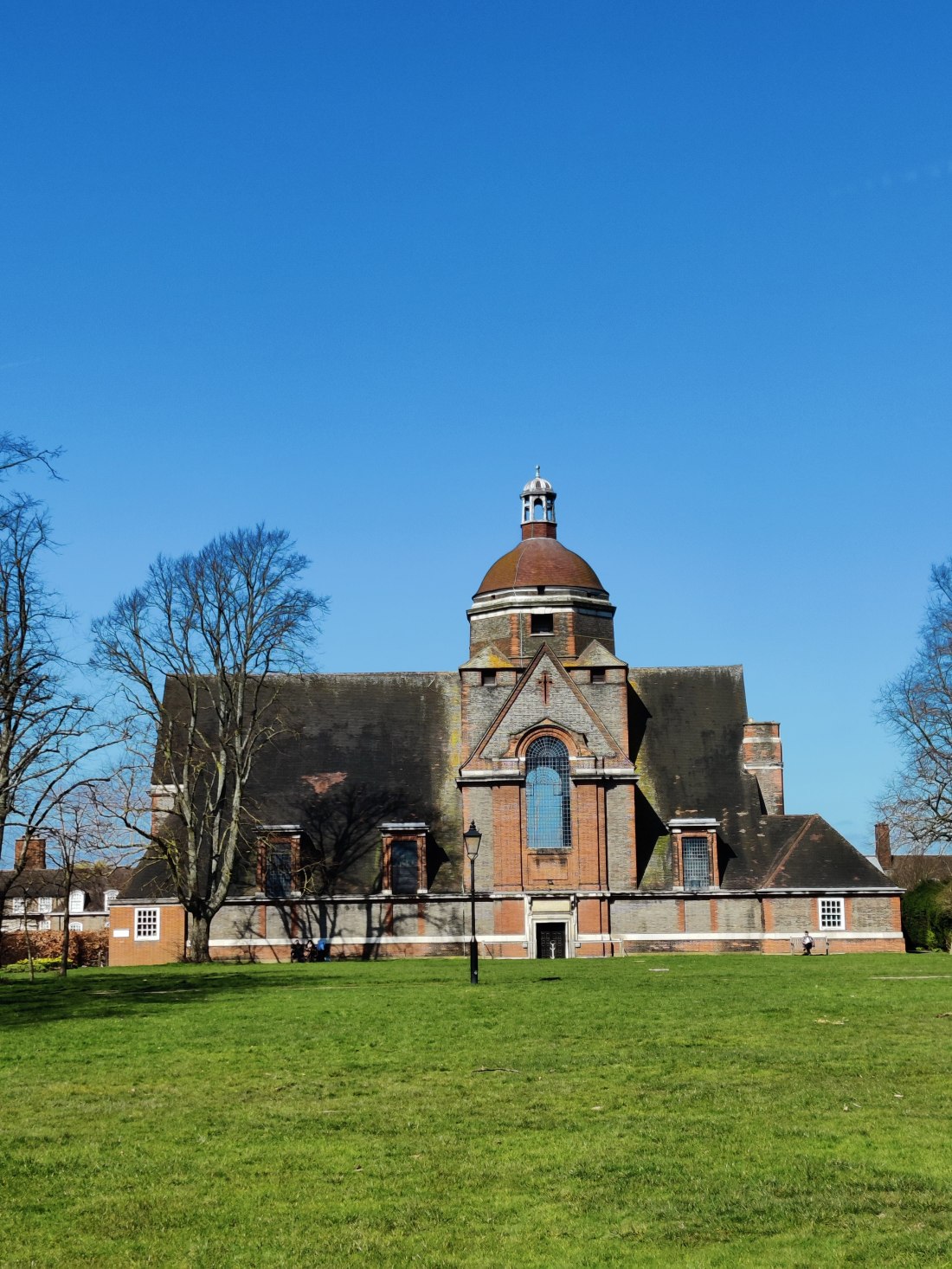
'There are few places within the M25 where something approaching a rural idyll can be found. One such place is Petersham, a hamlet in the water meadows to the south of Richmond. It’s a mixture of vernacular architecture, roads designed for feet and hooves, and birdsong filled hedgerows. Another such place is Hampstead Garden Suburb, but whereas Petersham is the result of the accidents of history HGS is contrived - picturesque to order.'